
Friday 31 January 2025
Statisticians have long been grappling with the problem of multiple testing, where they need to test many hypotheses simultaneously to determine which ones are statistically significant. In recent years, a new approach called e-values has emerged as a promising solution to this problem.
E-values are a type of statistical measure that can be used to test multiple hypotheses at once, without having to worry about the false discovery rate (FDR) – the probability of rejecting one or more true null hypotheses. The authors of a recent study have demonstrated how e-values can be used in conjunction with another technique called generalized universal inference to control the FDR.
The key innovation here is that e-values are not just limited to testing individual hypotheses, but can also be combined to test multiple hypotheses simultaneously. This allows researchers to identify which of many potential relationships between variables are statistically significant, without having to worry about the FDR.
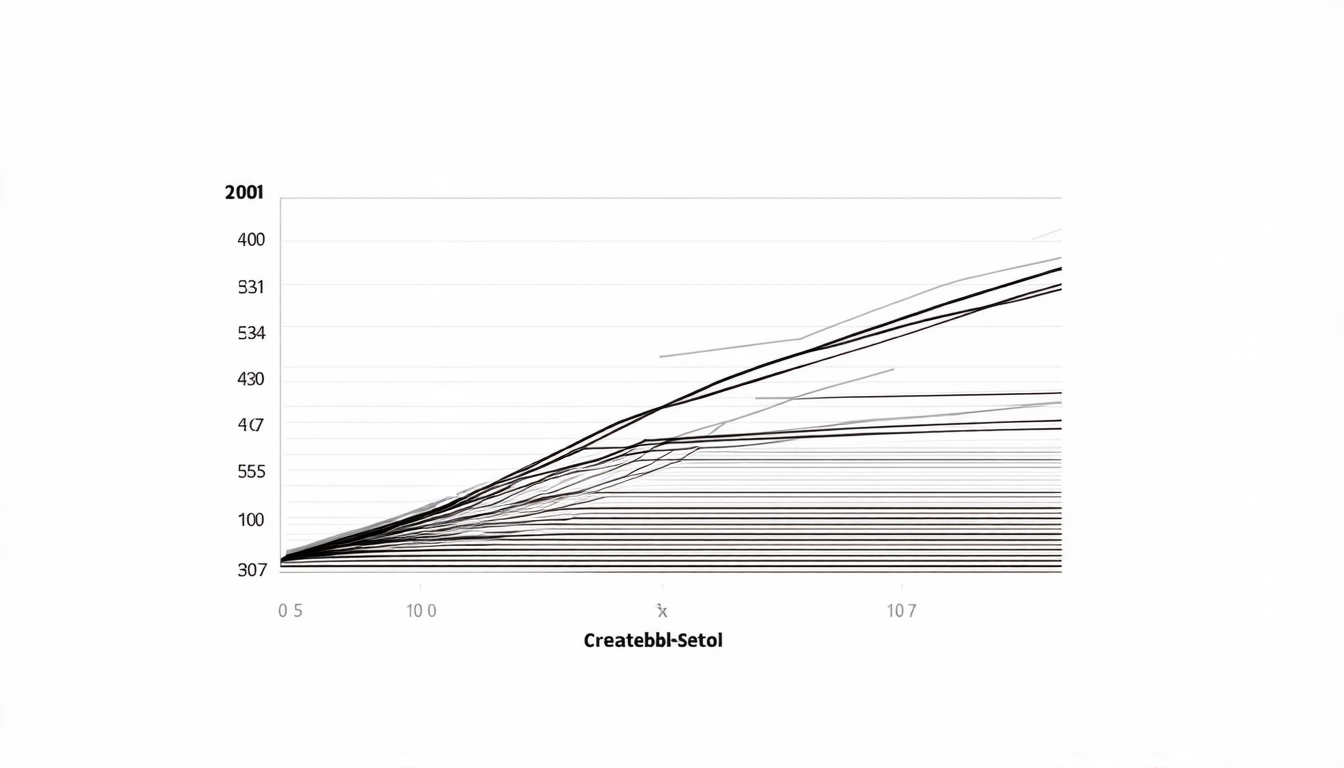
The authors tested this approach using a variety of simulated data sets, including one where they were trying to determine whether a particular variable was associated with a certain outcome at different levels of risk. They found that their method was able to accurately identify which variables were statistically significant, even when the sample size was small.
One of the strengths of this approach is that it does not require researchers to specify a particular statistical model or distribution beforehand. Instead, it uses the data itself to infer the underlying relationships between variables. This makes it particularly useful for complex real-world problems where the relationships between variables are not well understood.
The authors also demonstrated how their method can be used in different fields, such as medicine and social sciences. For example, they showed how e-values could be used to test whether a particular treatment is effective at different levels of risk.
Overall, this study demonstrates the potential of e-values for controlling the FDR in multiple testing problems. It provides a new approach that can be used in a variety of fields, and has many practical applications in real-world research.
Cite this article: “Evaluating E-Values as a Solution to Multiple Testing Problems”, The Science Archive, 2025.
Multiple Testing, E-Values, False Discovery Rate, Statistical Significance, Hypothesis Testing, Generalized Universal Inference, Simulated Data Sets, Sample Size, Statistical Models, Distribution Inference.