

Sunday 23 February 2025
The quest for a more sustainable urban future has taken a significant step forward with the development of innovative mobility solutions in Dresden, Germany. The city’s Mobilities for EU project is harnessing the power of 5G technology to transform urban transportation and reduce carbon emissions.
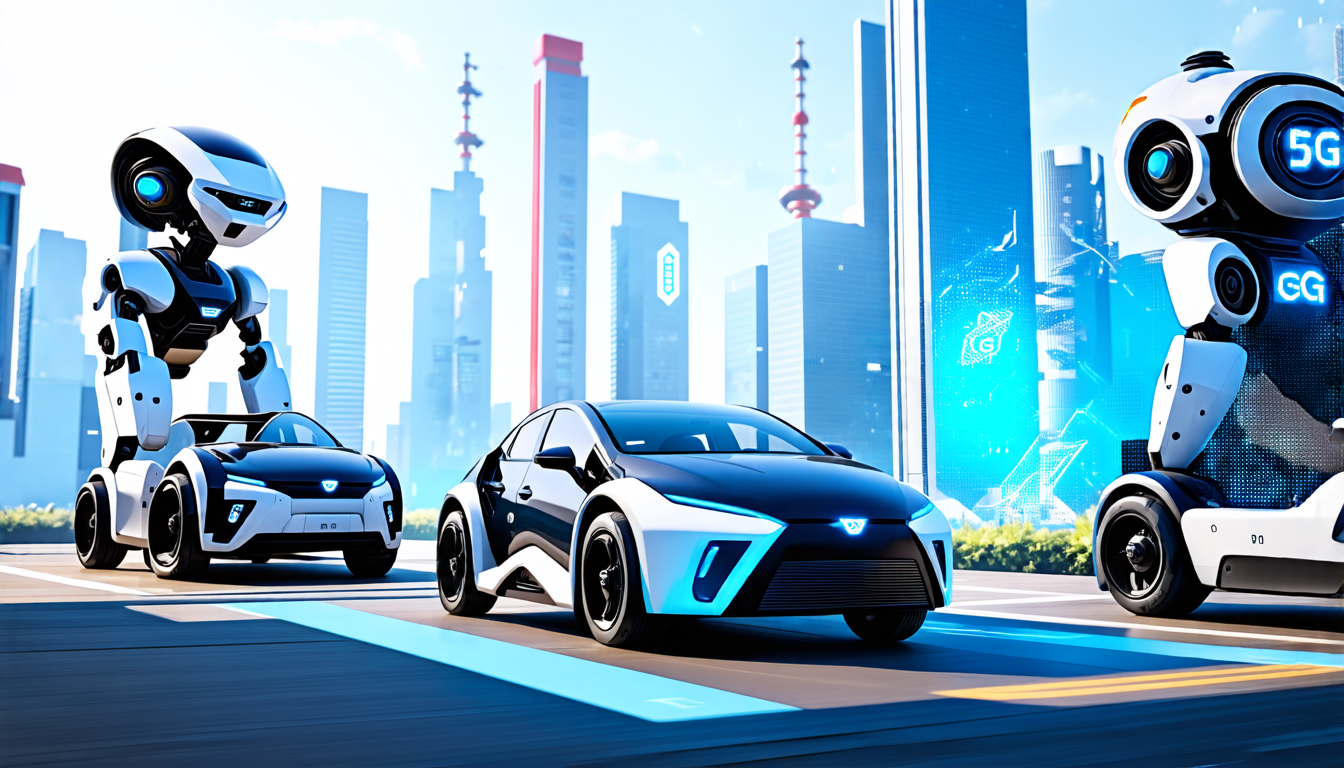
At the heart of this initiative are mobile charging robots that can recharge electric vehicles (EVs) on the go. These robots use advanced navigation systems to locate EVs and provide them with a quick top-up, reducing the need for lengthy recharging sessions. This not only saves time but also helps to optimize energy usage and reduce peak load demand from the grid.
Another key component of the project is the integration of autonomous vehicles into public transportation networks. These self-driving shuttles are designed to operate safely and efficiently, using advanced sensors and AI algorithms to navigate through crowded city streets. By reducing the need for human drivers, these vehicles can help to decrease emissions and improve air quality.
The Mobilities for EU project is also exploring the potential of Vehicle-to-Grid (V2G) technology. This innovative system allows EVs to act as energy storage devices, feeding excess electricity back into the grid when not in use. By integrating V2G with 5G networks, the project aims to create a smart energy management system that can optimize energy distribution and reduce waste.
The benefits of this approach are clear. Not only does it reduce greenhouse gas emissions and improve air quality, but it also helps to increase the adoption of EVs by providing convenient and reliable charging solutions. The project’s findings have significant implications for urban planners and policymakers, who are increasingly looking for ways to make their cities more sustainable.
One of the key challenges facing the project is the need to integrate these innovative mobility solutions with existing infrastructure. This requires careful planning and coordination between different stakeholders, including city officials, transportation agencies, and private companies.
Despite these challenges, the Mobilities for EU project offers a glimpse into a future where urban transportation is cleaner, safer, and more efficient. By harnessing the power of 5G technology and innovative mobility solutions, cities like Dresden can create a more sustainable and livable environment for their residents.
Cite this article: “Transforming Urban Transportation with Innovative Mobility Solutions”, The Science Archive, 2025.
Sustainable Urban Future, 5G Technology, Mobility Solutions, Electric Vehicles, Charging Robots, Autonomous Vehicles, Vehicle-To-Grid, Smart Energy Management, Greenhouse Gas Emissions, Air Quality.





