

Thursday 23 January 2025
Hydrogen is a highly promising source of clean energy, but its storage and transportation are significant challenges that need to be overcome. One of the major hurdles is the embrittlement of metals at high hydrogen concentrations, which can lead to catastrophic failures.
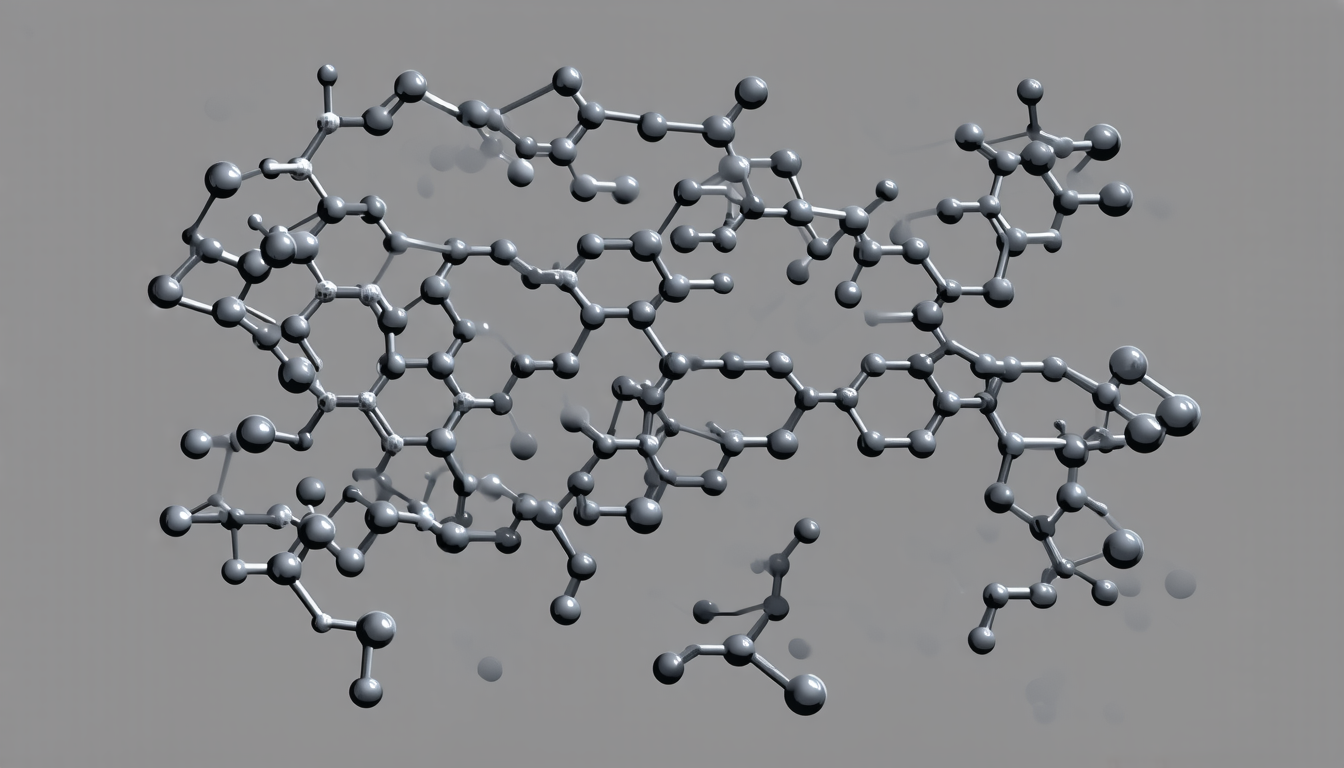
Researchers have been studying the behavior of hydrogen in metals for decades, but recent advances in experimental techniques have shed new light on this complex phenomenon. By using a technique called Bragg Coherent Diffraction Imaging (BCDI), scientists were able to visualize the distribution of hydrogen atoms within a metal lattice for the first time.
The study revealed that hydrogen atoms can form clusters and even large-scale structures within the metal lattice, which can significantly affect its mechanical properties. The researchers also found that the type of metal used plays a crucial role in determining how much hydrogen it can absorb without becoming embrittled.
To better understand the behavior of hydrogen in metals, the scientists turned to computer simulations. They developed a new model that takes into account the interactions between hydrogen atoms and the metal lattice, as well as the effects of grain boundaries and dislocations on hydrogen migration.
The simulation results showed that the movement of hydrogen atoms is influenced by the presence of dislocations, which are defects in the metal lattice. The researchers found that hydrogen can accumulate at dislocation cores, leading to increased embrittlement.
To further investigate this phenomenon, the team turned to experiments using a high-powered electron microscope. They were able to observe the distribution of hydrogen atoms within the metal lattice and measure the mechanical properties of the material under different conditions.
The results confirmed the simulation predictions, showing that the presence of dislocations can significantly increase the embrittlement of metals at high hydrogen concentrations. The study provides valuable insights into the behavior of hydrogen in metals and highlights the importance of considering the effects of dislocations on hydrogen migration.
These findings have significant implications for the development of safe and efficient hydrogen storage systems. By better understanding how hydrogen interacts with metals, scientists can design more effective materials that are less prone to embrittlement. This could pave the way for widespread adoption of hydrogen as a clean energy source, helping to reduce our reliance on fossil fuels and mitigate climate change.
The research is an important step towards unlocking the full potential of hydrogen energy, and it highlights the power of interdisciplinary collaboration between experimentalists and theorists. By combining cutting-edge techniques from materials science and physics, scientists are making significant strides in understanding this complex phenomenon and developing innovative solutions to the challenges it poses.
Cite this article: “Unraveling the Behavior of Hydrogen in Metals: A Path to Safer Storage Systems”, The Science Archive, 2025.
Hydrogen Energy, Clean Energy, Metal Embrittlement, Bragg Coherent Diffraction Imaging, Bcdi, Hydrogen Storage, Dislocations, Grain Boundaries, Materials Science, Physics.





