

Monday 24 March 2025
For years, computer networks have been plagued by a fundamental problem: the speed at which data can be transmitted between devices is limited by the slowest link in the chain. Whether you’re chatting with friends over Wi-Fi or streaming movies from Netflix, the bottleneck is often caused by the underlying network hardware – a problem that’s particularly acute in today’s cloud-based world.
To tackle this issue, researchers have been exploring new approaches to networking that can bypass traditional hardware limitations and deliver faster data transfer rates. One promising solution is Machnet, a new system that allows devices to communicate directly with each other without relying on the network infrastructure.
At its core, Machnet is a software-defined network stack that enables direct memory access (DMA) between devices. This means that instead of sending data packets through the traditional network path, Machnet lets devices talk to each other directly, using DMA to transfer data at incredible speeds.
The benefits are numerous. For one, Machnet can reduce latency by up to 90 percent compared to traditional networking methods. This is because data doesn’t have to travel through multiple hops on the network, which can introduce delays and packet loss. Additionally, Machnet’s direct memory access approach allows for much higher bandwidth – we’re talking gigabytes per second, not megabits.
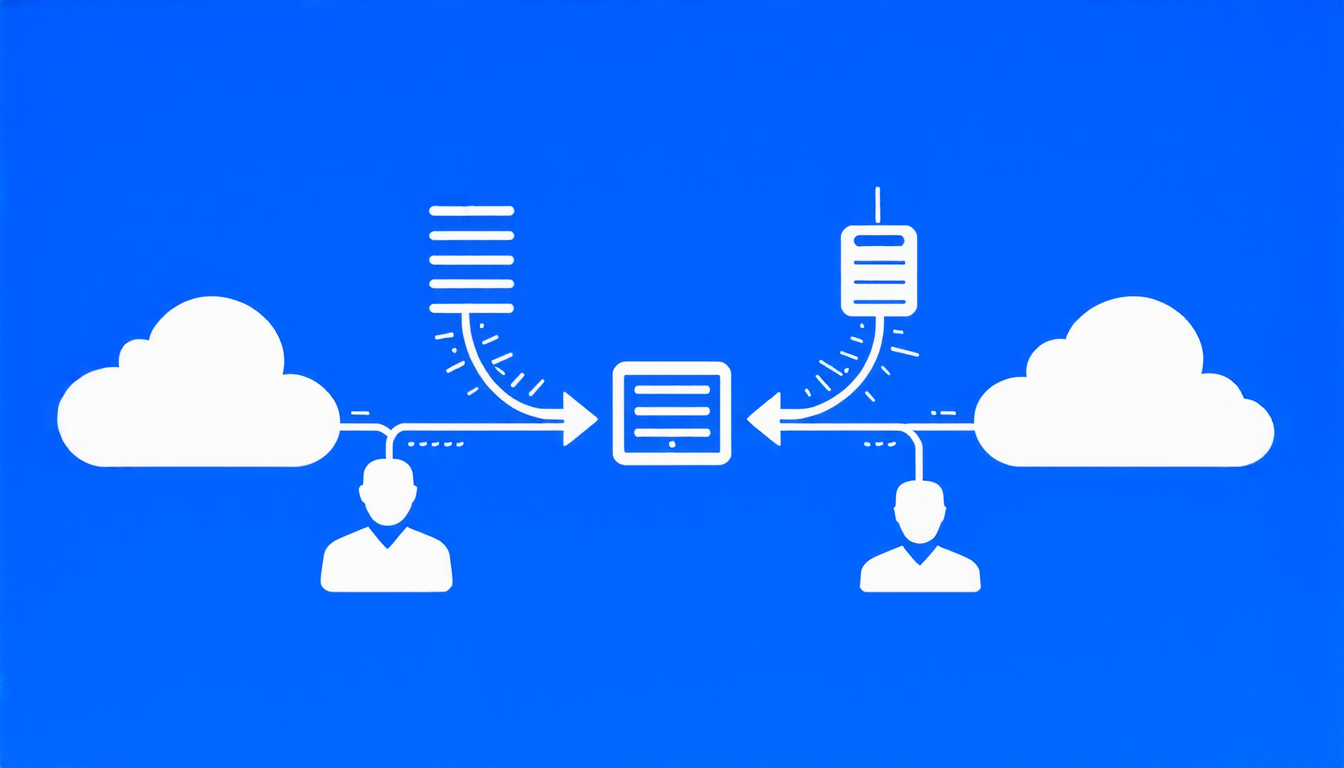
But how does it work? Machnet uses a combination of software-defined networking and specialized hardware to enable DMA between devices. The system consists of three main components: the machnet kernel, which manages the flow of data; the machnet driver, which interacts with the underlying hardware; and the machnet library, which provides an API for developers to access the network stack.
When a device wants to send data using Machnet, it first sends a request to the machnet kernel. The kernel then looks up the destination device’s memory address and sets up a DMA transfer. The driver takes care of configuring the hardware to perform the transfer, while the library provides an API for developers to access the network stack.
One of the most exciting aspects of Machnet is its potential for widespread adoption. Because it’s a software-defined system, Machnet can be implemented on a variety of devices, from servers and cloud infrastructure to laptops and smartphones. This means that users could potentially see faster networking speeds across multiple platforms without needing to upgrade their hardware.
Of course, there are still challenges to overcome before Machnet becomes a reality. The system requires specialized hardware support, which may not be available in all devices.
Cite this article: “Faster Networking: Introducing Machnet”, The Science Archive, 2025.
Network, Machnet, Software-Defined, Direct Memory Access, Dma, Latency, Bandwidth, Hardware, Cloud, Networking





