
Tuesday 25 March 2025
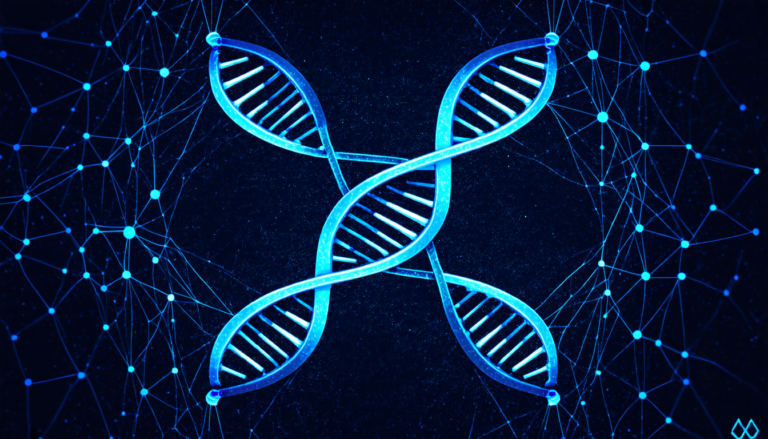
Biological networks can be notoriously tricky to decipher, but a new tool is about to make life easier for researchers. The system, called Alias4SBML, uses clever tricks to simplify these complex webs of interactions.
One of the biggest challenges in understanding biological systems is visualizing the relationships between different components. When you’re dealing with hundreds or even thousands of molecules and their various connections, it’s easy to get lost in a sea of lines and nodes. This is where Alias4SBML comes in.
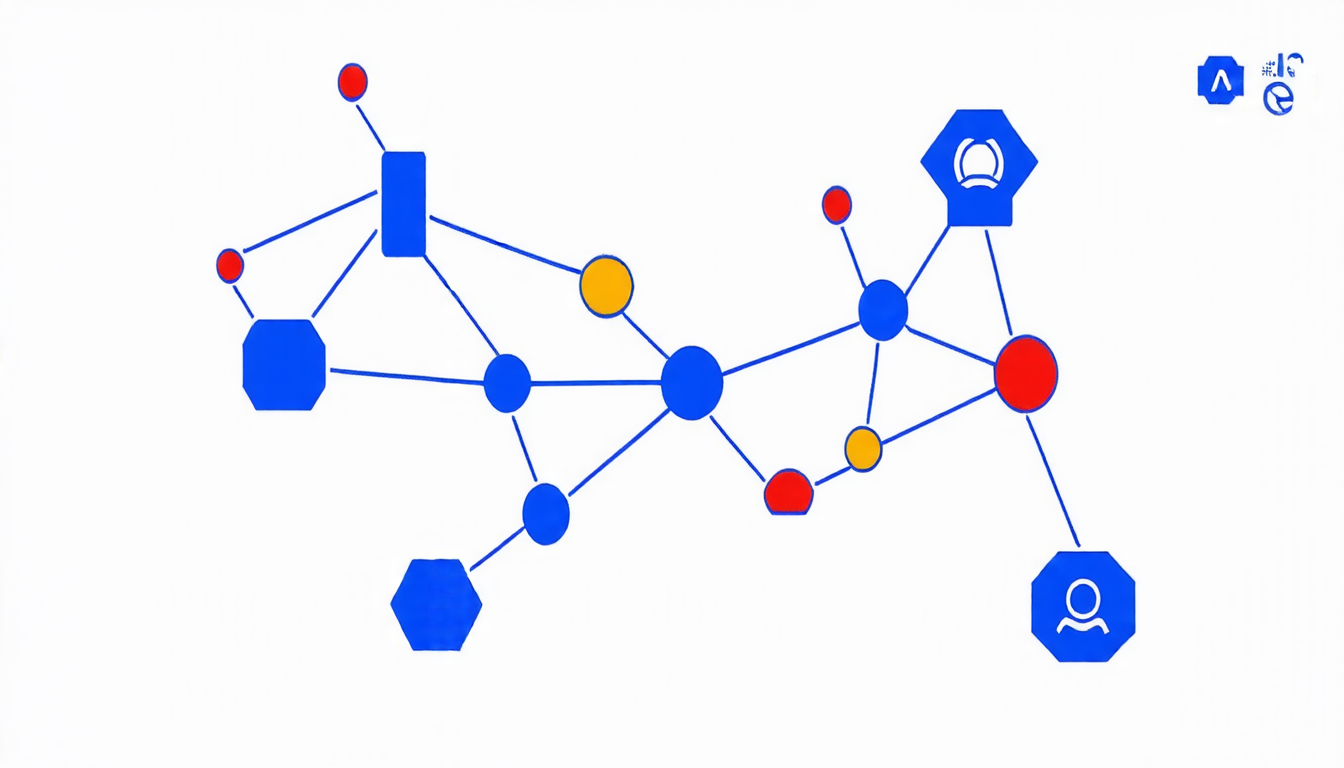
The system uses something called alias nodes, which are essentially duplicates of highly connected molecules that can be used to redistribute interactions and reduce visual clutter. By introducing these duplicate nodes, the tool can help untangle complex networks and make it easier to see the underlying relationships between different components.
The developers of Alias4SBML have tested their system on a range of biological models, from small-scale systems with just a few dozen molecules to larger, more complex networks with hundreds of components. In every case, they found that their tool was able to significantly improve the clarity and readability of these networks.
One of the key advantages of Alias4SBML is its ability to scale up or down depending on the complexity of the system being studied. This means that researchers can use the tool to analyze small-scale biological systems just as easily as larger, more complex ones.
The developers of Alias4SBML hope that their system will be widely adopted by researchers in the field of systems biology. By making it easier for scientists to visualize and understand these complex networks, they believe that Alias4SBML could help accelerate the discovery of new insights into biological systems.
In addition to its potential benefits for research, Alias4SBML also has practical applications in fields such as biotechnology and medicine. For example, by helping researchers to better understand the interactions between different molecules, the tool could potentially be used to develop new treatments for diseases or improve the efficiency of industrial bio-processing systems.
Overall, Alias4SBML is an exciting development that could have a major impact on our ability to study and understand biological systems. By simplifying these complex networks and making it easier for researchers to visualize and analyze them, the tool has the potential to accelerate progress in fields such as biotechnology and medicine.
Cite this article: “Simplifying Biological Networks with Alias4SBML”, The Science Archive, 2025.
Biological Networks, Systems Biology, Visualization, Molecular Interactions, Network Analysis, Alias Nodes, Sbml, Biological Systems, Biotechnology, Medicine