

Monday 08 September 2025
A team of researchers has made a significant breakthrough in the field of medical imaging, developing a new framework that allows for more accurate and generalizable organ segmentation. The framework, known as FedGIN, uses a combination of federated learning and global intensity non-linear augmentation to harmonize modality-specific intensity distributions during training.
The ability to accurately segment organs is crucial in medicine, as it enables doctors to diagnose and treat patients more effectively. However, current methods often rely on centralized data storage and processing, which can be limited by the availability of large datasets and the need for individual institutions to share their data.
FedGIN addresses these limitations by using a federated learning approach, where multiple institutions contribute their own local data and models to a central server. The server then aggregates the information and sends it back to each institution, allowing them to update their local models. This process is repeated multiple times, with each iteration allowing the models to become more accurate and generalizable.
The key innovation of FedGIN is its use of global intensity non-linear augmentation (GIN). GIN is a technique that generates synthetic domain-shifted training examples during local training, which helps to harmonize modality-specific intensity distributions. This allows the model to learn invariant features across different modalities, such as computed tomography (CT) and magnetic resonance imaging (MRI).
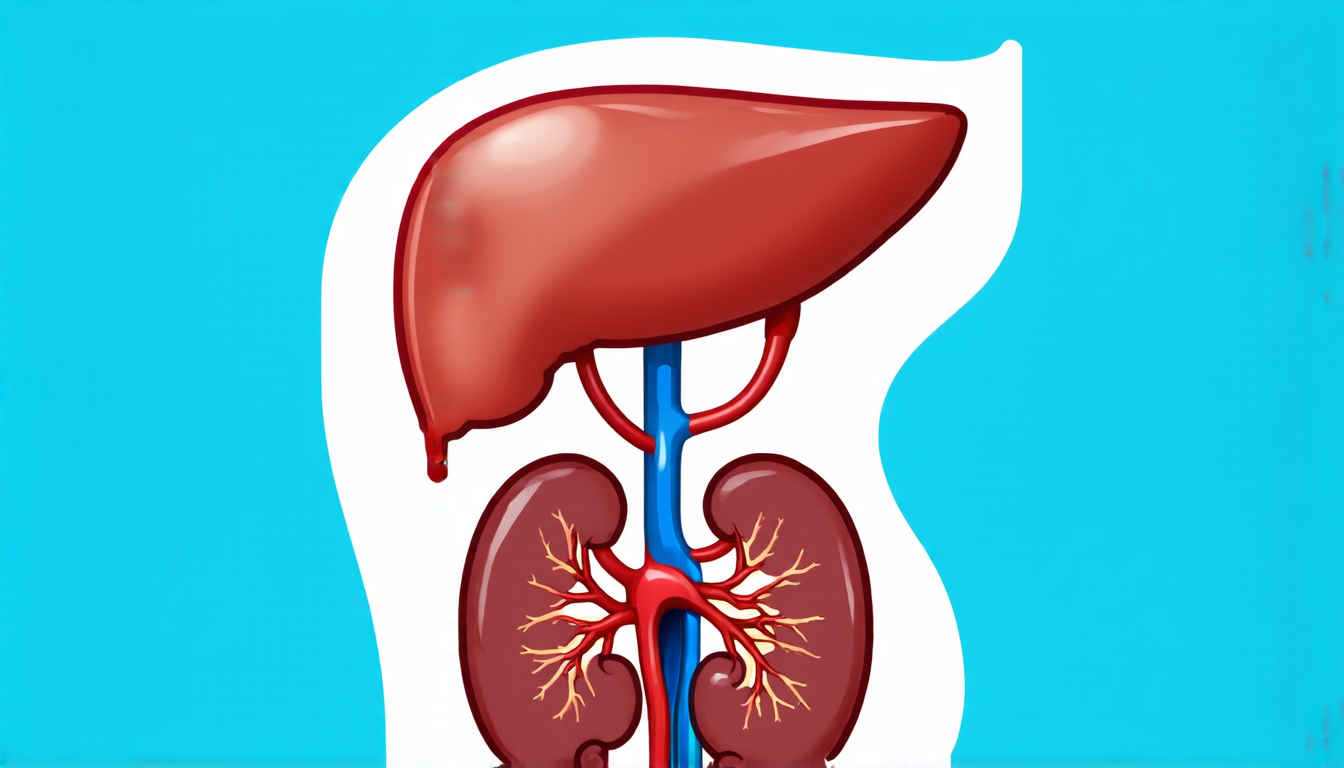
The researchers tested FedGIN on two public datasets, TotalSegmentator and AMOS2020, using five abdominal organs: liver, kidneys, spleen, pancreas, and gallbladder. They found that FedGIN outperformed local models trained on individual modalities, as well as centralized models trained on combined data.
The results show that FedGIN is able to achieve high accuracy and generalization across different modalities and institutions. This has important implications for medical imaging, as it allows doctors to diagnose and treat patients more effectively using a wider range of imaging modalities.
One of the main advantages of FedGIN is its ability to be used in real-world clinical settings. The framework does not require large centralized datasets or individual institutions to share their data, making it more practical and scalable than current methods.
The researchers believe that FedGIN has the potential to revolutionize medical imaging by enabling more accurate and generalizable organ segmentation. They are now working on further developing and refining the framework to make it even more effective in real-world clinical settings.
Overall, the development of FedGIN is an important breakthrough in medical imaging, with the potential to improve patient care and outcomes.
Cite this article: “Accurate Organ Segmentation through Federated Learning and Global Intensity Non-Linear Augmentation”, The Science Archive, 2025.
Medical Imaging, Organ Segmentation, Federated Learning, Global Intensity Non-Linear Augmentation, Gin, Modality-Specific Intensity Distributions, Abdominal Organs, Computed Tomography, Magnetic Resonance Imaging, Deep





