
Monday 01 December 2025
Researchers have made a significant breakthrough in generating realistic and articulated 3D objects using artificial intelligence. The team, led by Honghua Chen at Nanyang Technological University in Singapore, has developed a framework called ArtiLatent that can create intricate and detailed 3D models of everyday objects, such as furniture or toys, from just a single image.
The key innovation behind ArtiLatent is its ability to learn the underlying structure and articulation of an object from a single image. This allows it to generate not only the overall shape of the object but also its individual parts and how they move relative to each other. The resulting 3D models are incredibly realistic, with accurate geometry and appearance that can be used in a wide range of applications, from computer-aided design (CAD) software to virtual reality.
The team’s approach is based on a type of machine learning algorithm called a variational autoencoder (VAE). A VAE is a neural network that learns to compress and reconstruct data in a way that preserves its underlying structure. In this case, the VAE is trained on a large dataset of 3D objects with their corresponding images, allowing it to learn the patterns and relationships between the object’s shape, appearance, and articulation.
Once the model has been trained, it can be used to generate new 3D objects from single images. The process begins by segmenting the image into individual parts or voxels, which are then used as input to the VAE. The VAE generates a latent representation of the object’s structure and articulation, which is then decoded into a 3D Gaussian splat that represents the object’s shape and appearance.
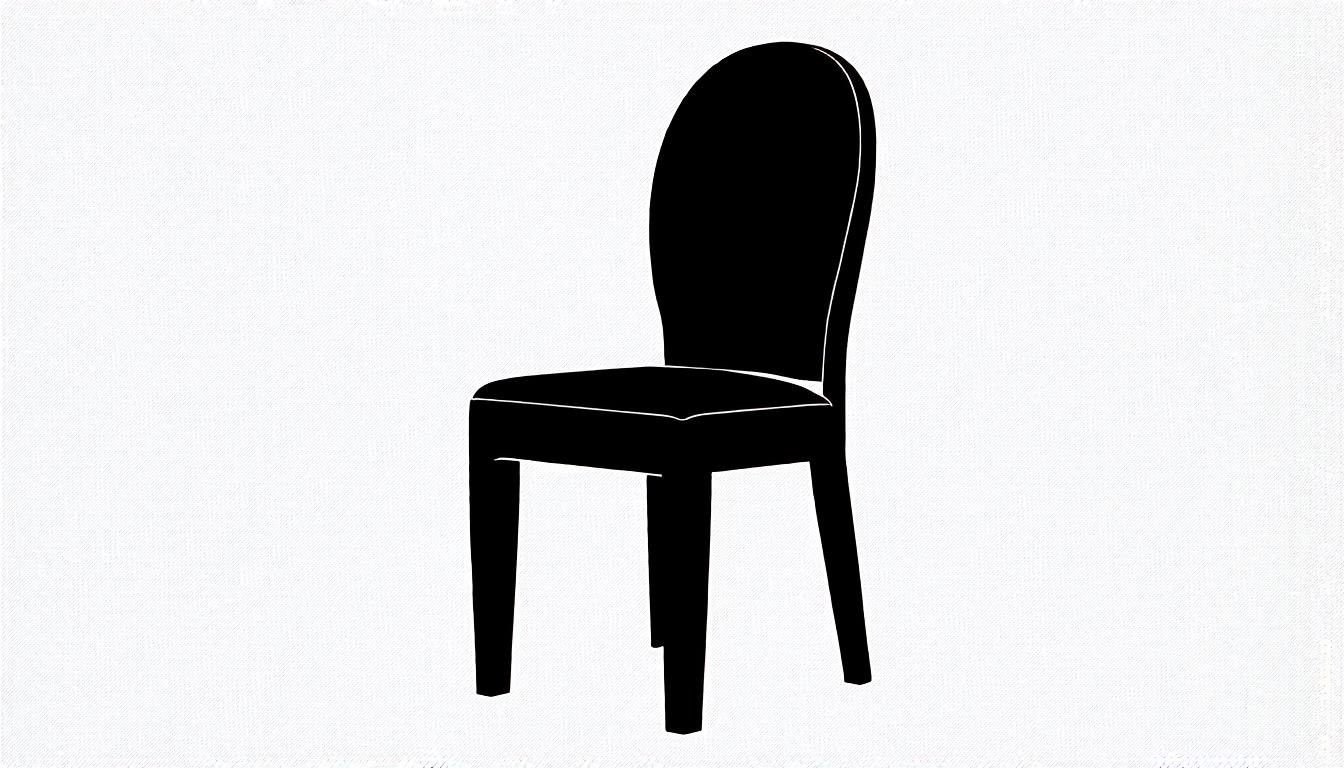
The team has tested ArtiLatent on a range of objects, including furniture, toys, and even human body parts. The results are impressive, with the generated 3D models accurately capturing the intricate details and articulation of each object. In one example, the team used ArtiLatent to generate a realistic 3D model of a chair from just a single image, complete with accurate geometry and appearance.
The potential applications of ArtiLatent are vast. It could be used in CAD software to create detailed models of complex objects, or in virtual reality to generate realistic environments and characters. It could even be used in healthcare to create personalized 3D models of patients’ bodies for surgical planning or training.
Cite this article: “ArtiLatent: A Breakthrough Framework for Realistic 3D Object Generation from Single Images”, The Science Archive, 2025.
Artificial Intelligence, 3D Objects, Single Image, Machine Learning, Variational Autoencoder, Neural Network, Computer-Aided Design, Virtual Reality, Cad Software, Healthcare, Surgery