
Wednesday 22 January 2025
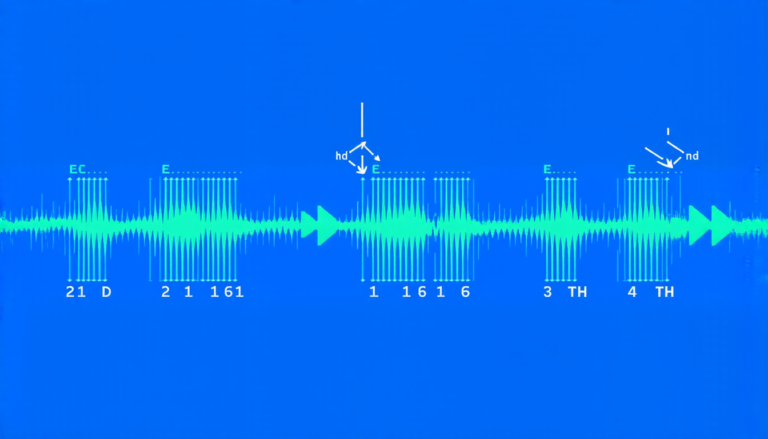
Monitoring the time between events and costs associated with consecutive failures of complex systems is a crucial task in various industries, including finance, healthcare, and manufacturing. A new approach has been developed to tackle this challenge by combining non-homogeneous Poisson processes with copula models.
The traditional method of monitoring these types of events relies on separate charts for time between events and costs, which can be inaccurate and inefficient. The proposed approach integrates both variables into a single chart, taking into account the dependence between them. This is achieved through the use of copula models, which describe the joint distribution of the two variables.
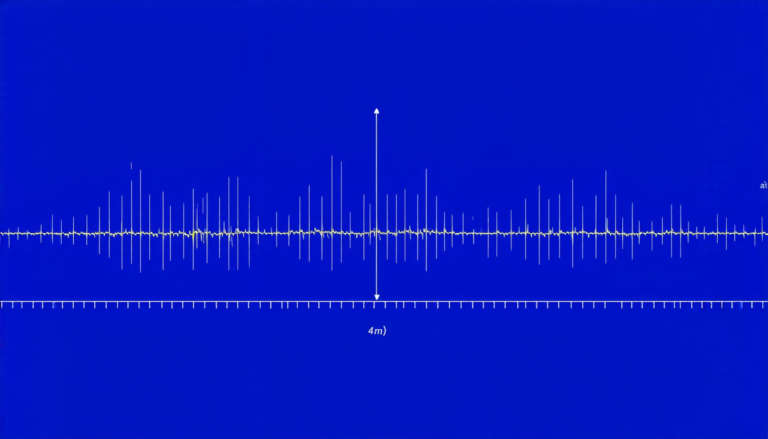
The authors have developed a risk-adjusted control chart that simultaneously monitors the time between events and costs associated with consecutive failures. This chart is designed to detect shifts in the process mean and variance while accounting for risk factors that may affect the outcome.
To estimate the parameters of the model, the authors employed an inference function for margins approach, which has been shown to be computationally simpler and more robust than traditional maximum likelihood estimation methods.
The proposed method was evaluated through extensive numerical simulations, which revealed its effectiveness in detecting shifts in the process mean and variance. The results also highlighted the importance of accounting for risk factors in the design of the chart.
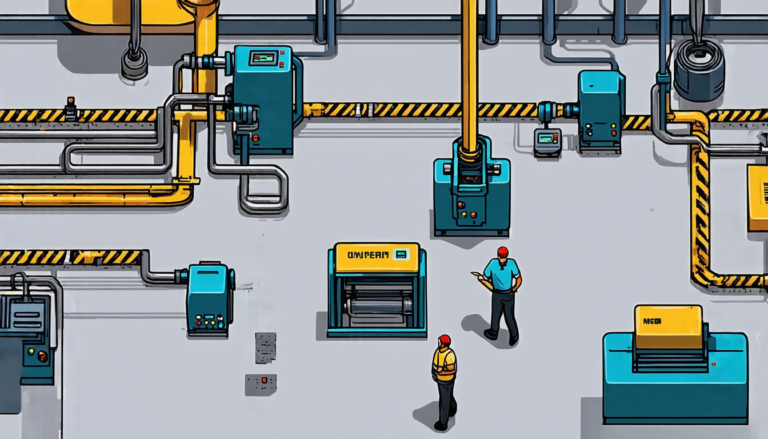
This innovative approach has significant implications for industries that rely on monitoring complex systems. It provides a more accurate and efficient way to detect anomalies and predict failures, enabling proactive maintenance and reducing costs associated with downtime.
The integration of non-homogeneous Poisson processes with copula models offers a powerful tool for analyzing dependent variables in complex systems. This approach has the potential to revolutionize the field of statistical process control, enabling organizations to make more informed decisions about system reliability and maintenance.
By combining the strengths of both methodologies, this new approach provides a robust and flexible framework for monitoring complex systems. It is an essential step towards developing more accurate and efficient methods for detecting anomalies and predicting failures in critical infrastructure and industrial processes.
Cite this article: “Integrating Copula Models with Non-Homogeneous Poisson Processes for Improved Statistical Process Control”, The Science Archive, 2025.
Risk-Adjusted Control Charts, Non-Homogeneous Poisson Processes, Copula Models, Time Between Events, Costs Associated With Failures, Complex Systems, Statistical Process Control, Anomaly Detection, Failure Prediction, Reliability Maintenance