

Thursday 23 January 2025
Scientists have made a significant breakthrough in understanding how cancer cells grow and respond to treatment. By creating artificial tumour spheroids, researchers can simulate real-life conditions and test new therapies without harming humans.
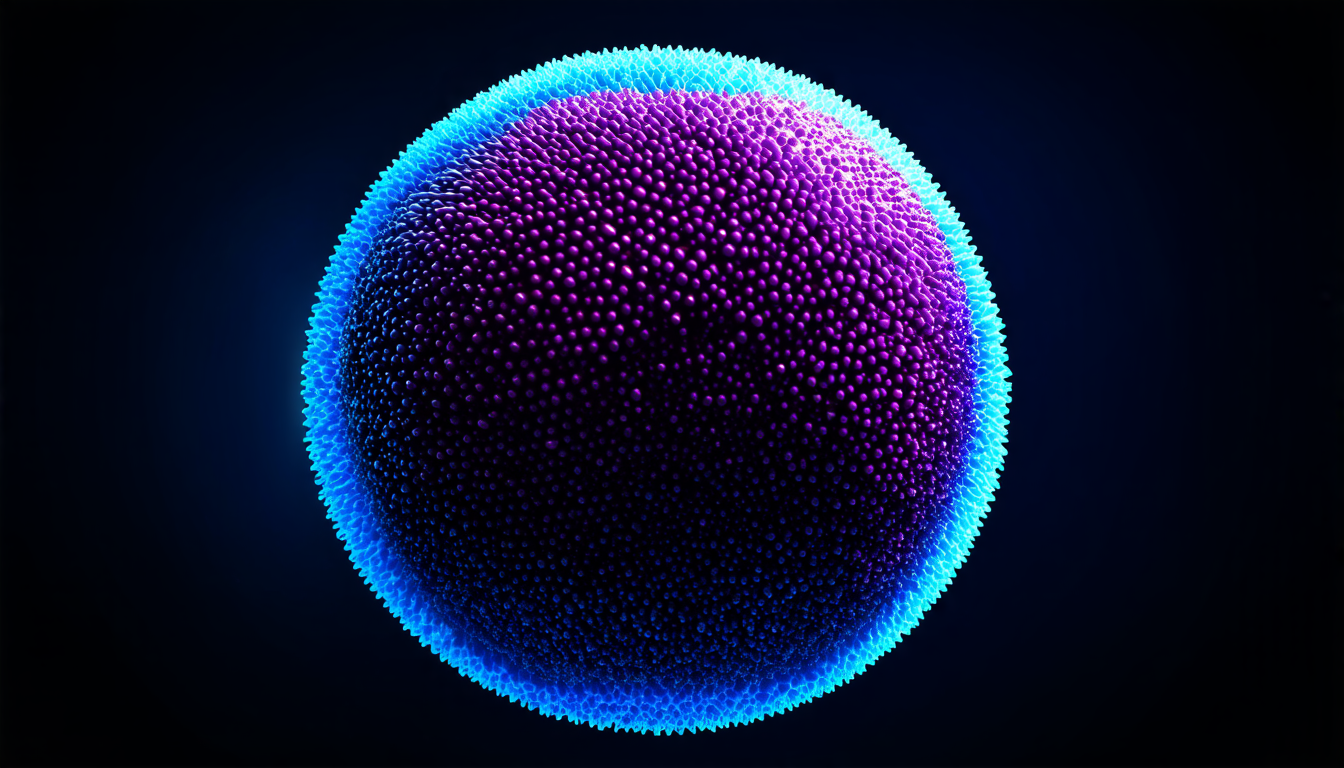
These spherical structures are made up of thousands of cancer cells that are suspended in a nutrient-rich gel. The cells are allowed to grow and interact with each other, mimicking the way they would behave in a human body. By monitoring their behavior, scientists can gain valuable insights into how tumours develop and respond to treatment.
One key aspect of this research is the ability to control oxygen levels within the spheroids. Tumour cells are notoriously hard to treat because they often grow in areas with low oxygen levels, making them resistant to chemotherapy and radiation. By recreating these conditions in a lab dish, scientists can test how different treatments affect tumour growth.
The team used advanced computer simulations to model the behaviour of the cancer cells within the spheroids. This allowed them to predict how different factors, such as oxygen levels and nutrient availability, would impact tumour growth. They found that by adjusting these conditions, they could slow down or even stop tumour growth.
The researchers also developed a new method for creating complex shapes using mathematical algorithms. This enabled them to design spheroids with specific properties, such as varying sizes and shapes. By manipulating these structures, scientists can simulate different scenarios, such as how tumours grow in response to different treatments.
This breakthrough has significant implications for the development of new cancer therapies. By testing treatments on artificial tumour spheroids, researchers can identify which ones are most effective without risking harm to human patients. Additionally, the ability to control oxygen levels and manipulate spheroid shapes opens up new avenues for research into how tumours respond to treatment.
In the future, scientists hope to use these artificial tumour spheroids to test a range of treatments, from chemotherapy and radiation to immunotherapy and targeted therapies. By understanding how cancer cells respond to different treatments, researchers can develop more effective and personalized approaches to fighting this devastating disease.
Cite this article: “Simulating Cancer Growth and Treatment Response in Artificial Tumour Spheroids”, The Science Archive, 2025.
Cancer, Tumour, Spheroids, Treatment, Therapy, Chemotherapy, Radiation, Oxygen, Cells, Research





