

Thursday 23 January 2025
Breast cancer is a leading cause of death worldwide, and early detection is crucial in saving lives. While doctors can diagnose breast cancer through physical exams and imaging tests, artificial intelligence (AI) can be used to improve accuracy and speed up the process.
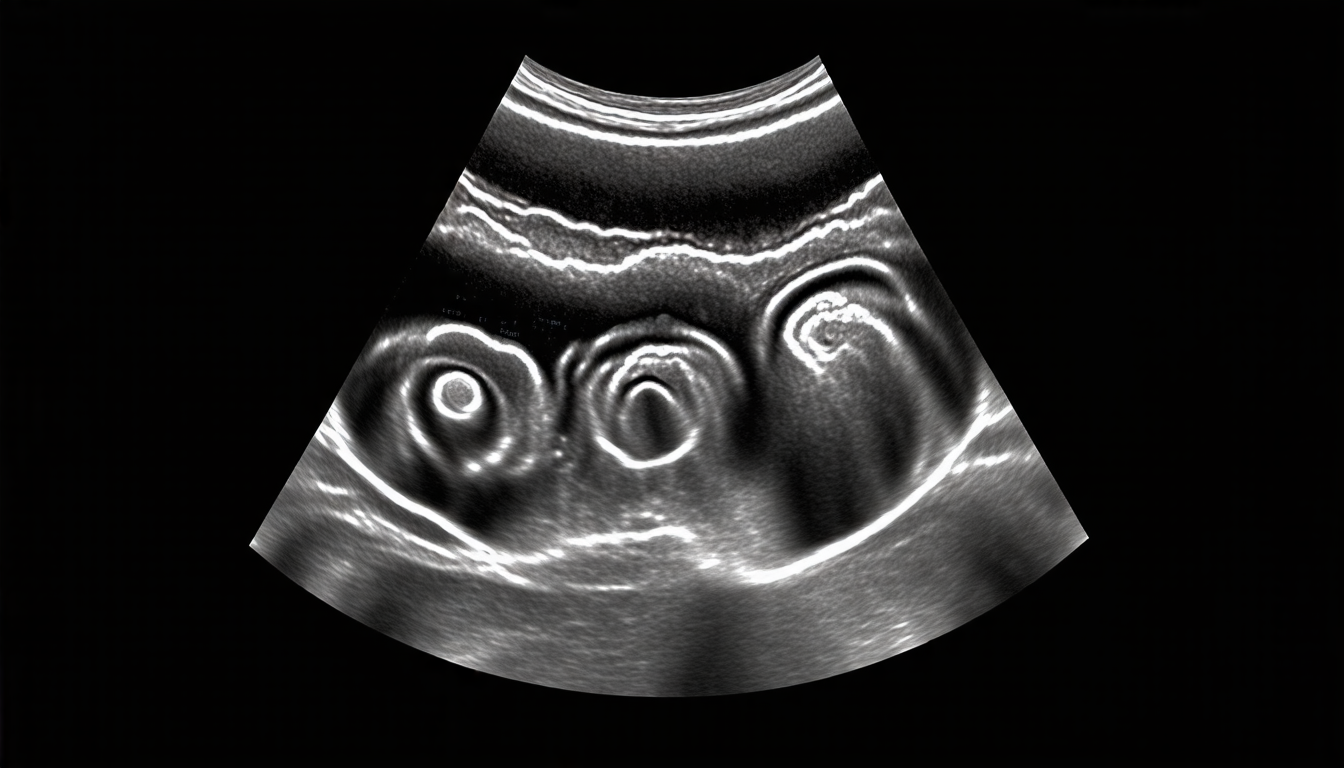
Researchers have been experimenting with deep learning techniques to detect breast cancer using ultrasound images. In a recent study, a team of scientists from Varendra University in Bangladesh trained three deep learning models – ResNet50, MobileNet, and VGG16 – on a dataset of 9,248 ultrasound images labeled as benign, malignant, or normal.
The results showed that the ResNet50 model achieved an accuracy of 98.41%, outperforming the other two models. This is a significant improvement over previous studies, which used different deep learning architectures and achieved lower accuracy rates.
But why did ResNet50 perform better? One reason is its ability to capture hierarchical features in the images. Hierarchical features refer to patterns or structures that are present at multiple scales within an image. By capturing these features, ResNet50 can identify subtle differences between benign and malignant tumors.
Another advantage of ResNet50 is its ability to learn from a large dataset. The researchers used a dataset of 9,248 ultrasound images, which is larger than many previous studies. This allowed the model to learn more patterns and relationships in the data, leading to better performance.
So how can this technology be used in real-world settings? In theory, AI-powered breast cancer detection could be integrated into radiology departments or even performed remotely through telemedicine platforms. This could save time and reduce the risk of human error.
However, there are also potential drawbacks to consider. For example, AI systems may not be able to accurately detect tumors that are very small or irregularly shaped. Additionally, AI systems may require large amounts of data to learn effectively, which can be a challenge in developing countries where resources may be limited.
Despite these challenges, the potential benefits of AI-powered breast cancer detection make it an exciting area of research. By combining machine learning with ultrasound imaging, scientists may be able to develop a more accurate and efficient way to detect breast cancer – potentially saving thousands of lives each year.
Cite this article: “Artificial Intelligence Boosts Breast Cancer Detection Accuracy Using Ultrasound Images”, The Science Archive, 2025.
Breast Cancer, Ai-Powered Detection, Ultrasound Images, Deep Learning, Resnet50, Mobilenet, Vgg16, Hierarchical Features, Telemedicine Platforms, Radiology Departments





