
Thursday 23 January 2025
Scientists have made a significant breakthrough in understanding how stem cells can be used to treat chronic pain. For years, researchers have been searching for a way to harness the power of stem cells to alleviate the suffering of people living with neuropathic pain.
Neuropathic pain occurs when damage is done to the nerves, often as a result of injury or disease. It’s a condition that can be incredibly debilitating, making even simple tasks feel like an insurmountable challenge. Current treatments are limited, and many patients find themselves stuck in a cycle of pain management with little hope for relief.
But what if stem cells could hold the key to unlocking long-term pain relief? A team of scientists has been exploring this very possibility, and their latest research offers promising results.
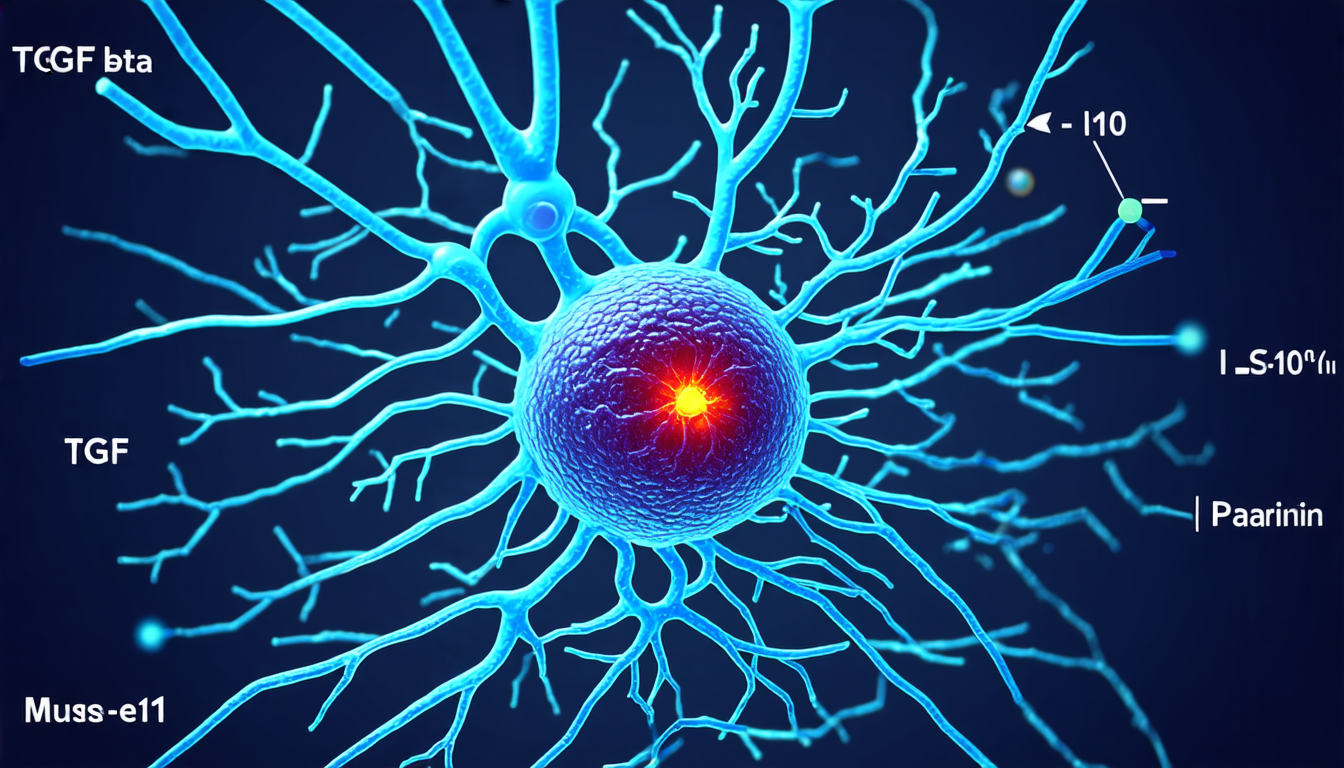
The researchers focused on a specific type of stem cell called Muse cells. These cells are found in bone marrow and have the unique ability to differentiate into multiple cell types, making them an attractive candidate for regenerative medicine.
To test the potential of Muse cells in treating neuropathic pain, the scientists used a rodent model of chronic constriction injury, which mimics the kind of nerve damage that can occur in humans. They then injected the mice with either Muse cells or bone marrow stem cells and monitored their behavior over time.
The results were striking: animals treated with Muse cells showed significant reductions in pain behaviors, such as limping and guarding, compared to those receiving bone marrow stem cells. Moreover, these effects persisted for weeks after treatment, suggesting that Muse cells may be able to provide long-term relief from chronic pain.
But how do Muse cells achieve this remarkable feat? The researchers believe it’s due to the cells’ ability to secrete certain proteins, such as TGF-beta and IL-10, which have anti-inflammatory and analgesic properties. These molecules help to reduce inflammation in the affected area and promote the regeneration of damaged nerves.
The implications of these findings are enormous. If further research confirms the safety and efficacy of Muse cells in treating neuropathic pain, it could open up new avenues for treatment that go beyond current medications. Imagine being able to alleviate chronic pain without relying on opioids or other powerful drugs.
Of course, there’s still much work to be done before Muse cells can be used in human clinical trials. But the potential benefits are undeniable, and scientists are eager to continue exploring this promising new avenue of research.
Cite this article: “Stem Cells Show Promise in Treating Chronic Pain”, The Science Archive, 2025.
Stem Cells, Chronic Pain, Neuropathic Pain, Muse Cells, Bone Marrow, Regenerative Medicine, Rodent Model, Tgf-Beta, Il-10, Anti-Inflammatory.