
Saturday 01 February 2025
The intricate dance of cells within our bodies has long fascinated scientists and researchers. To better understand how these tiny structures interact with each other, a team of experts has developed innovative methods for analyzing spatially-resolved data. This breakthrough could revolutionize our understanding of cellular behavior and its impact on human health.
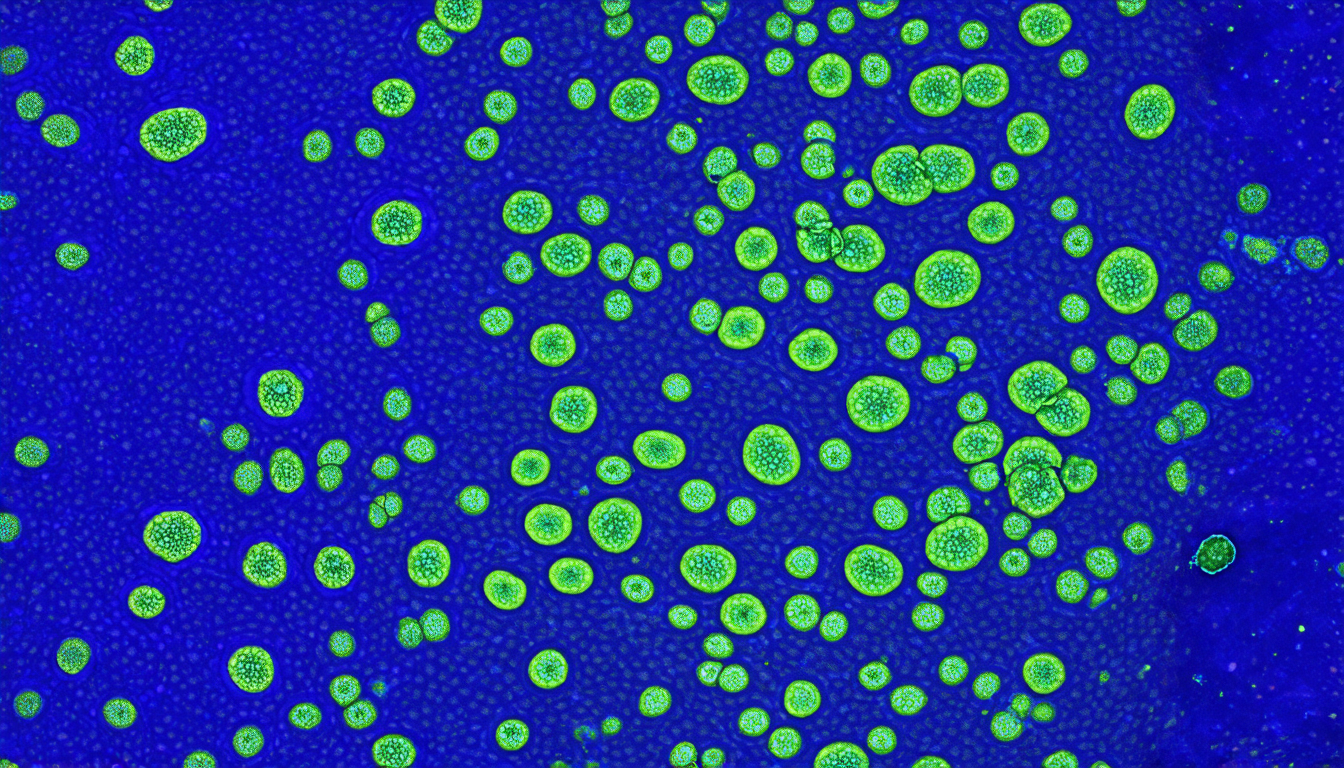
Using advanced imaging techniques, researchers can now capture the intricate patterns of gene expression within cells at an unprecedented scale. By analyzing these patterns, scientists hope to identify correlations between cell types, behaviors, and even diseases. The key lies in understanding how cells are arranged spatially – a concept known as spatial statistics.
One of the most significant advances in this field is the development of new algorithms that can accurately analyze large datasets. These algorithms enable researchers to pinpoint specific patterns within the data, allowing them to identify trends and correlations that may have gone unnoticed before.
For instance, by analyzing the expression of genes within a sample of pancreatic tissue, scientists discovered that certain genes were more likely to be expressed in cells near the border of an islet – a crucial finding for understanding diabetes. Similarly, researchers studying immune cell behavior in the brain found that specific genes were linked to spatial patterns of inflammation.
But what does this mean for our understanding of human health? By identifying correlations between cellular behaviors and diseases, scientists hope to develop new treatments and diagnostic tools. For example, if researchers can pinpoint the exact sequence of gene expression leading to a particular disease, they may be able to develop targeted therapies.
The implications are vast – from better understanding the immune system’s response to pathogens, to developing more effective treatments for cancer and neurological disorders. As our ability to analyze spatially-resolved data improves, so too will our understanding of the intricate dance between cells within our bodies.
In short, this breakthrough represents a significant step forward in our quest to understand the complexities of human biology. By harnessing the power of spatial statistics, scientists are poised to unlock new secrets about the intricate relationships between cells and diseases – with far-reaching implications for human health.
Cite this article: “Unraveling the Cellular Dance: Spatial Statistics Pave the Way for Breakthroughs in Human Health”, The Science Archive, 2025.
Cells, Biology, Spatial Statistics, Gene Expression, Imaging Techniques, Algorithms, Datasets, Pancreatic Tissue, Immune Cells, Human Health