

Saturday 01 February 2025
A team of researchers has made a significant breakthrough in developing a new AI model that can predict whether patients with colorectal cancer will develop liver metastases, a common and deadly complication of the disease.
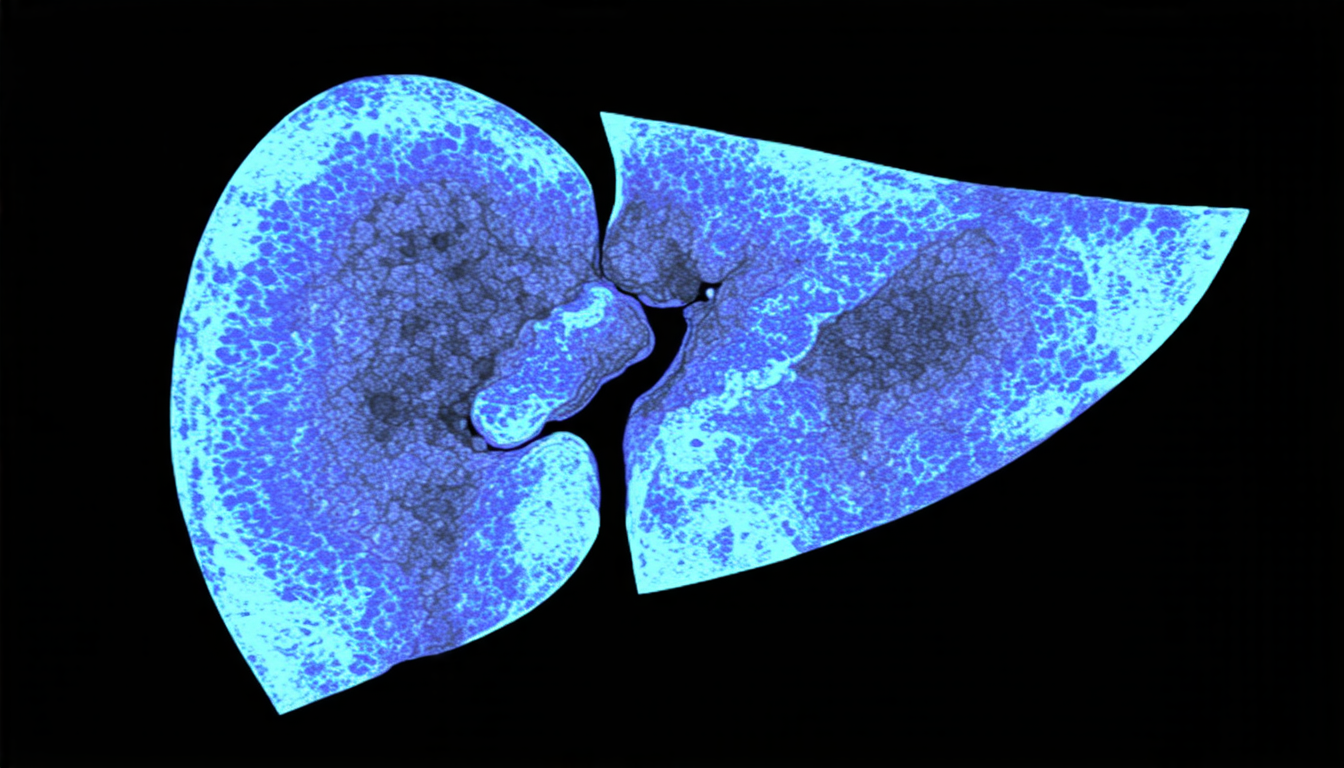
The new model, called MPBD-LSTM, uses a combination of artificial intelligence and medical imaging data to analyze CT scans taken from patients with colorectal cancer. By analyzing these scans, the model can identify patterns and features that are associated with an increased risk of liver metastases developing in the future.
The researchers trained the MPBD-LSTM model using a dataset of over 600 CT scans from patients with colorectal cancer, including both those who did and did not develop liver metastases. The model was able to accurately predict whether a patient would develop liver metastases or not based on their CT scan data, with an accuracy rate of around 79%.
One of the key innovations of the MPBD-LSTM model is its ability to analyze multiple phases of the CT scans simultaneously. This allows it to capture more information about the patient’s liver and blood vessels than previous models, which only analyzed single phases of the scan.
The researchers also tested the model on a separate dataset of CT scans from patients with colorectal cancer who had already developed liver metastases. The model was able to accurately identify the location and extent of the metastases in these patients, which could potentially be used to guide treatment decisions.
The development of the MPBD-LSTM model has significant implications for the diagnosis and treatment of colorectal cancer. It could potentially allow doctors to identify patients who are at high risk of developing liver metastases earlier, allowing them to take preventive measures or adjust their treatment plans accordingly.
Furthermore, the model could also be used to monitor patients with colorectal cancer over time, detecting any changes in their liver or blood vessels that may indicate the development of liver metastases. This could potentially lead to earlier detection and treatment of the disease, improving patient outcomes.
Overall, the MPBD-LSTM model represents a significant advance in the field of medical imaging and AI-powered diagnosis. Its ability to analyze multiple phases of CT scans simultaneously and predict the risk of liver metastases makes it a powerful tool for doctors treating patients with colorectal cancer.
Cite this article: “AI Model Predicts Liver Metastases Risk in Colorectal Cancer Patients”, The Science Archive, 2025.
Colorectal Cancer, Liver Metastases, Mpbd-Lstm, Ai Model, Medical Imaging, Ct Scans, Deep Learning, Lstm, Cancer Diagnosis, Predictive Analytics





