
Sunday 02 February 2025
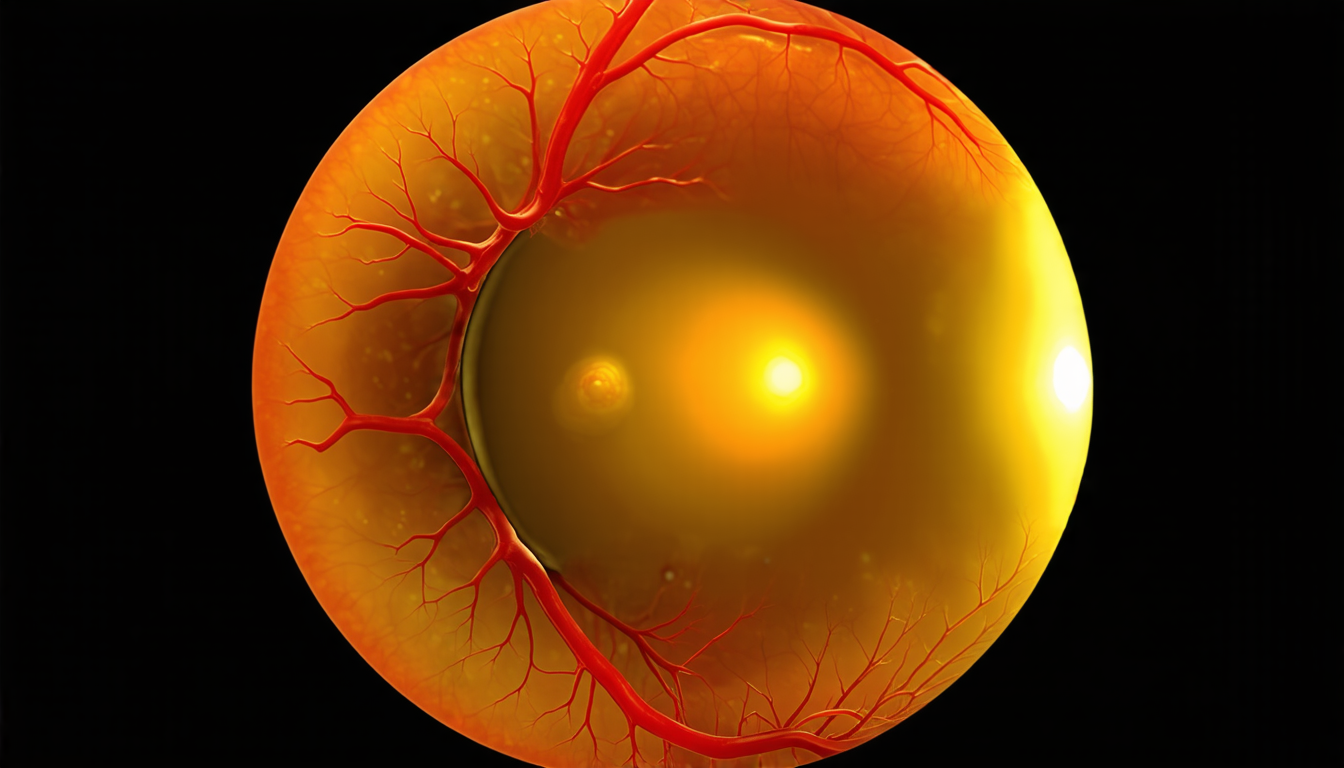
Diabetes is a major health concern worldwide, and one of its most devastating complications is diabetic retinopathy (DR). This disease can cause blindness if left untreated or undetected early on. Researchers have been working tirelessly to develop automated systems that can detect DR from fundus images, which are photographs taken of the retina.
A recent study published in the International Conference on Advanced Engineering, Technology and Applications (ICAETA) has made significant progress in this area. The researchers proposed a system that uses machine learning algorithms to classify fundus images into five stages of DR: healthy eyes, mild non-proliferative diabetic retinopathy (NPDR), moderate NPDR, severe NPDR, and proliferative diabetic retinopathy (PDR).
The system works by extracting key features from the pre-processed images, including histograms and zeroth Hu moments of exudates, blood vessels, and microaneurysms. These features are then fed into a Random Forest classifier, which is able to accurately identify the stage of DR.
The results are impressive: the system achieved an accuracy rate of 76.5%, sensitivity of 77.2%, and specificity of 93.3%. This means that it can correctly identify most cases of DR, even in the early stages when symptoms may not be apparent.
But how does this system work? The researchers used a dataset of 13,402 fundus images, which were pre-processed to enhance contrast and remove noise. They then extracted three features: area of exudates, area of blood vessels, and area of microaneurysms. These features are important indicators of DR, as they can reveal the presence of abnormalities in the retina.
The Random Forest classifier was trained on these features, using a combination of decision trees to make predictions. The system is able to learn from the data and adapt to new cases, making it more accurate over time.
This study has significant implications for the detection and treatment of DR. Early detection can significantly improve patient outcomes, as it allows for timely intervention and prevention of blindness. The researchers hope that their system will be used in clinics and hospitals around the world to help diagnose and treat this devastating disease.
In addition, the study highlights the potential of machine learning algorithms in medical imaging. By leveraging big data and advanced analytics, clinicians can develop more accurate and efficient diagnostic tools. This has far-reaching implications for healthcare, as it could lead to better patient outcomes and reduced costs.
Cite this article: “Automated Detection of Diabetic Retinopathy Using Machine Learning Algorithms”, The Science Archive, 2025.
Diabetic Retinopathy, Machine Learning, Fundus Images, Random Forest Classifier, Accuracy Rate, Sensitivity, Specificity, Exudates, Blood Vessels, Microaneurysms