
Sunday 02 February 2025
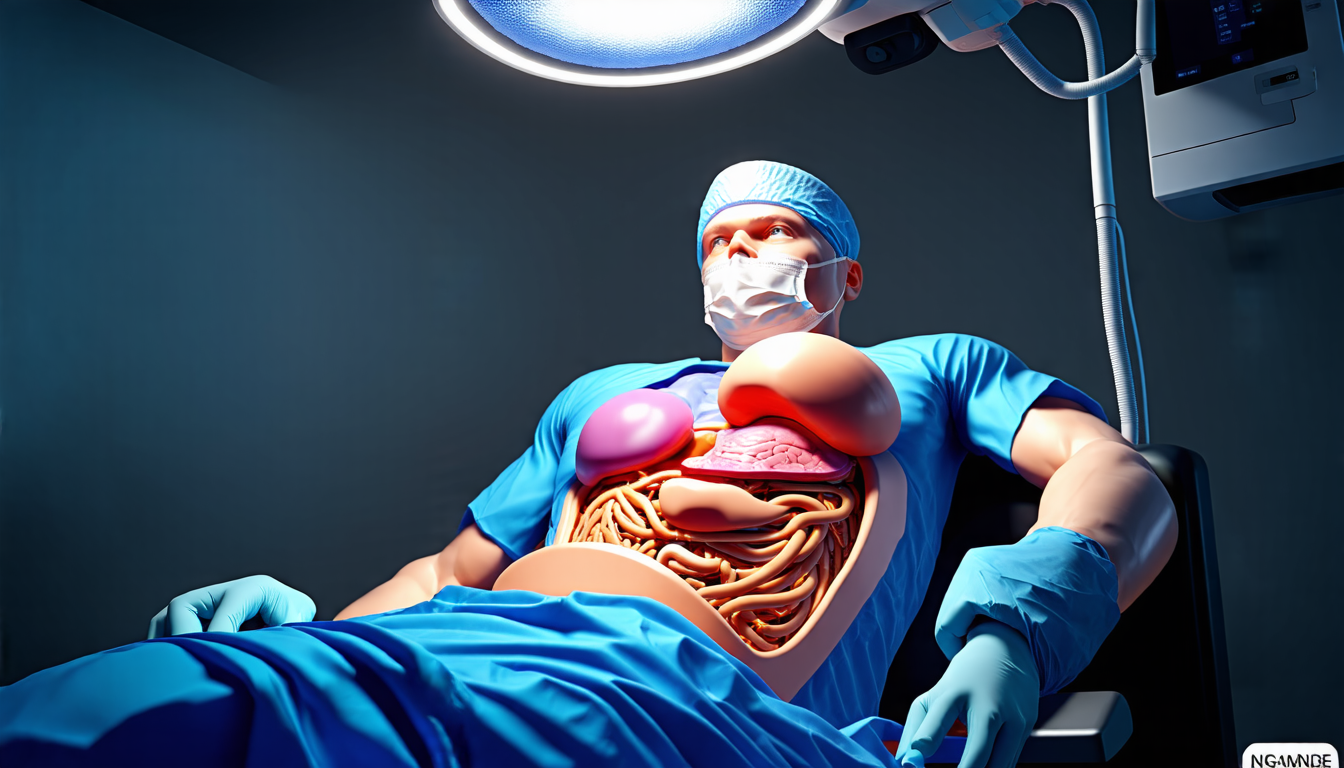
Scientists have made a significant breakthrough in developing realistic virtual surgery simulations, which could revolutionize the way medical procedures are trained and performed.
The team has created a cutting-edge method called SurgiSim, which uses artificial intelligence and machine learning algorithms to generate highly accurate and detailed simulations of surgical operations. These simulations can be used by surgeons-in-training to hone their skills in a safe and controlled environment, reducing the risk of errors and complications during actual surgeries.
But how does it work? The team’s approach is based on a technology called material point method (MPM), which allows them to simulate the behavior of soft tissues such as skin, fat, and organs. This is achieved by creating a digital model of the patient’s body, which is then subjected to various surgical operations such as cutting, pulling, and suturing.
The simulation is incredibly realistic, with details such as texture, color, and even subtle movements like breathing and blood flow. The team has also developed advanced algorithms that can accurately predict the behavior of different tissues under various conditions, allowing for a high level of realism in the simulations.
But what’s truly impressive about SurgiSim is its ability to adapt to new surgical scenarios and environments. Unlike traditional simulation methods, which are limited by their pre-defined models and datasets, SurgiSim can learn from real-world data and generate simulations on the fly.
This means that surgeons-in-training can practice a wide range of procedures without being restricted to a specific dataset or scenario. They can also experiment with different techniques and instruments, allowing them to develop a deeper understanding of the surgical process.
The potential applications of SurgiSim are vast. It could be used in medical schools to train the next generation of surgeons, reducing the risk of errors and complications during actual surgeries. It could also be used in hospitals to aid in the recovery of patients undergoing complex procedures, allowing doctors to monitor their progress and make adjustments as needed.
In addition, SurgiSim has the potential to revolutionize the field of surgical robotics, allowing for more precise and controlled movements during robotic-assisted surgeries.
The team’s work is a testament to the power of artificial intelligence and machine learning in medicine. By developing realistic virtual surgery simulations, they are helping to improve patient outcomes and push the boundaries of what is possible in the operating room.
Cite this article: “Realistic Virtual Surgery Simulations Revolutionize Medical Training and Practice”, The Science Archive, 2025.
Virtual Surgery, Simulation, Artificial Intelligence, Machine Learning, Surgical Training, Medical Procedures, Robotic-Assisted Surgeries, Patient Outcomes, Soft Tissues, Material Point Method (Mpm)