

Sunday 02 February 2025
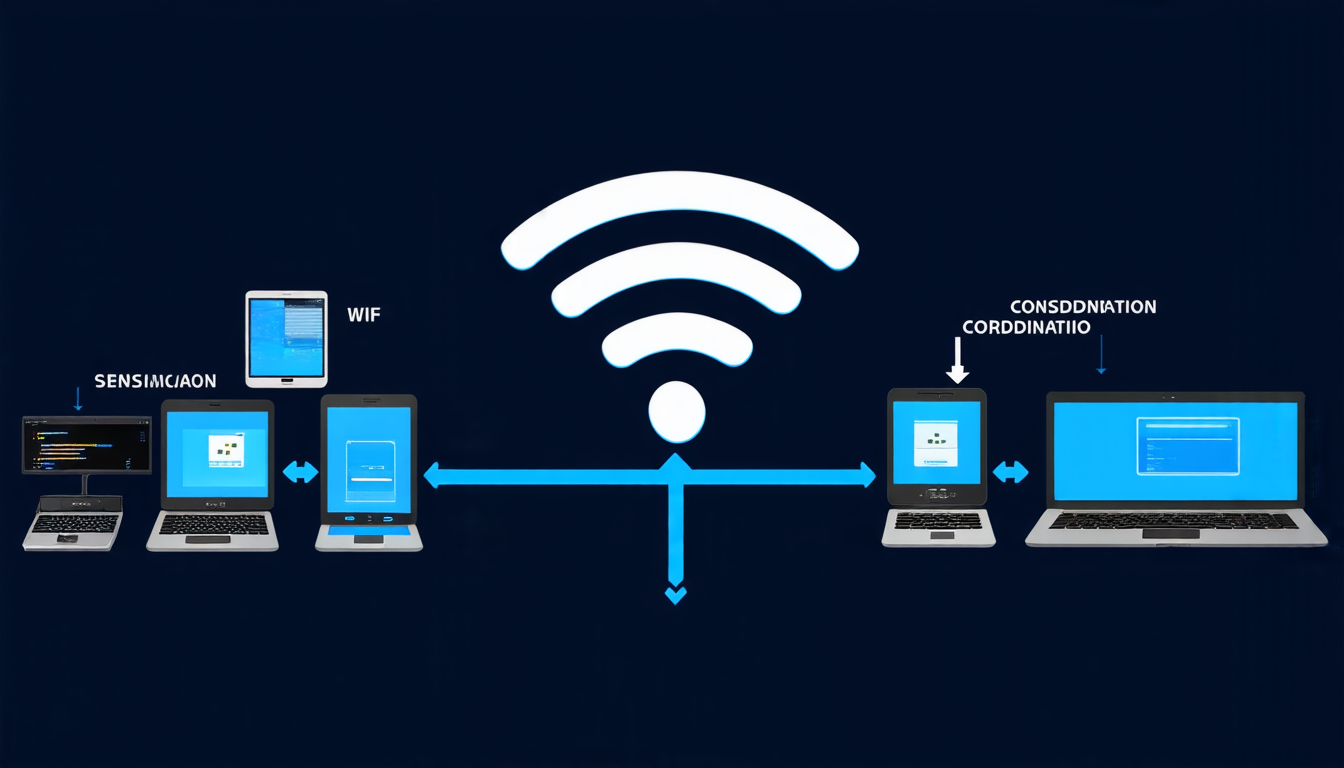
The future of Wi-Fi is looking bright, thanks to a new approach that uses artificial intelligence and machine learning to optimize network performance. Researchers have developed a system called coordinated multi-armed bandits (MABs) that allows multiple devices in a network to work together to find the best way to allocate resources and reduce interference.
In traditional Wi-Fi networks, each device operates independently and makes its own decisions about when to transmit data. This can lead to conflicts and inefficiencies, as devices may be transmitting data at the same time or using the same channel. Coordinated MABs change this by allowing devices to share information and work together to find the best solution.
The system uses a type of machine learning algorithm called a multi-armed bandit (MAB) to optimize network performance. A MAB is a type of algorithm that learns from experience and adjusts its behavior based on feedback. In this case, the algorithm takes into account factors such as the number of devices in the network, their location, and the amount of data they need to transmit.
The algorithm uses this information to determine when it’s best for each device to transmit data, taking into account the potential for interference from other devices. This helps to reduce congestion and improve overall network performance.
The researchers tested their system using a simulated Wi-Fi network with 9 devices. They found that the coordinated MAB approach improved network performance by up to 15% compared to traditional Wi-Fi networks. The system also reduced the delay in accessing the network, which is important for applications that require real-time data transmission.
In addition to improving network performance, the coordinated MAB approach has other benefits. For example, it can help reduce energy consumption by optimizing the use of resources and reducing the need for devices to constantly transmit data.
The researchers believe that their system could have a major impact on the future of Wi-Fi, enabling faster and more efficient communication networks. They plan to continue testing and refining their approach, with the goal of making it available for widespread use in the near future.
The coordinated MAB approach has several potential applications beyond Wi-Fi networks. For example, it could be used to optimize traffic flow on highways or to manage energy consumption in buildings. The researchers are excited about the possibilities and believe that their system could have a major impact on many different areas of life.
Cite this article: “AI-Optimized Wi-Fi Networks Improve Performance and Efficiency”, The Science Archive, 2025.
Wi-Fi, Artificial Intelligence, Machine Learning, Coordinated Multi-Armed Bandits, Network Performance, Optimization, Interference Reduction, Resource Allocation, Real-Time Data Transmission, Energy Consumption.





