
Sunday 23 February 2025
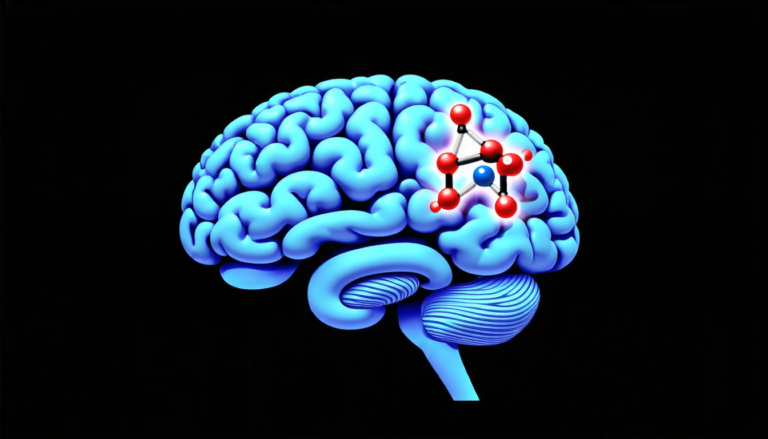
The quest for a better understanding of protein function, a crucial aspect of life itself, has been ongoing in the scientific community for decades. Proteins are the building blocks of cells and play a vital role in nearly every biological process, from DNA replication to muscle contraction. Yet, despite their importance, predicting what a protein does and how it interacts with other proteins remains a daunting challenge.
Enter the field of bioinformatics, where researchers use computational tools to analyze vast amounts of genetic data and make predictions about protein function. One such tool is called Prot-Boost, a machine learning algorithm that combines the strengths of language models and graph neural networks to predict protein function with unprecedented accuracy.
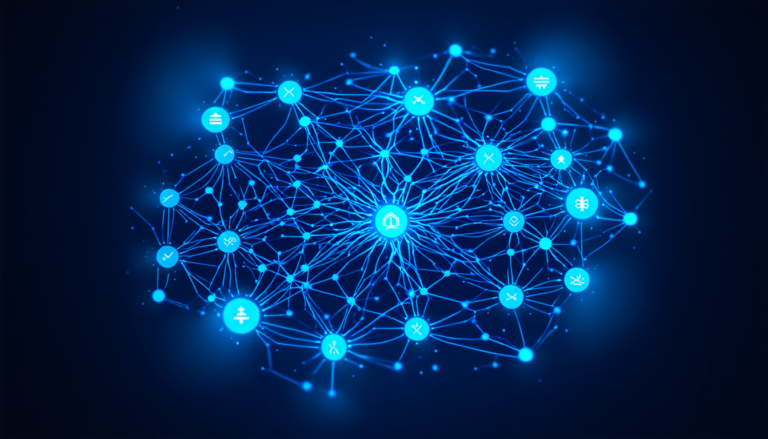
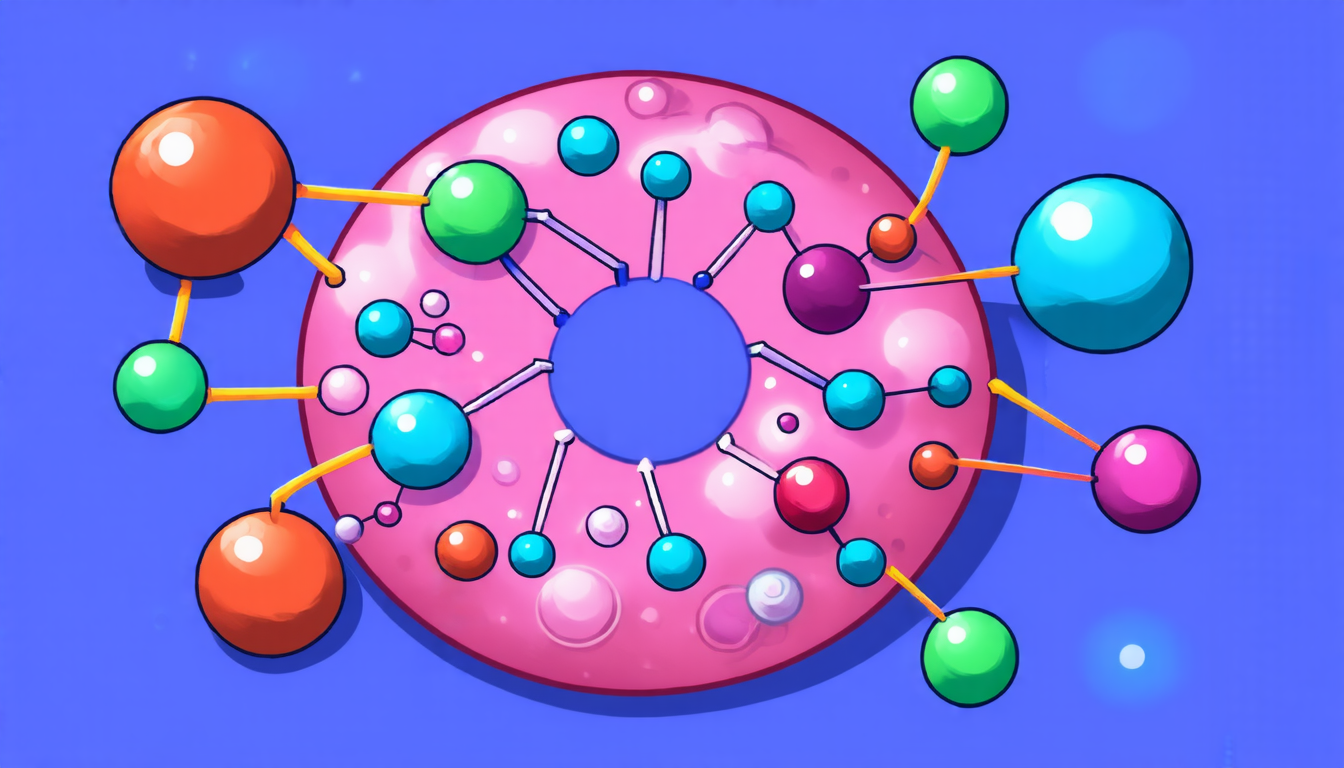
Prot-Boost works by first using a language model to analyze the sequence of amino acids that make up a protein. This allows it to identify patterns and relationships between different parts of the protein that are important for its function. The algorithm then uses this information to build a graph, where each node represents a protein and the edges represent the interactions between them.
The magic happens when Prot-Boost uses a graph neural network to analyze this graph and predict the function of each protein. This is done by training the model on a large dataset of known protein functions, which allows it to learn patterns and relationships that are common across different proteins.
But here’s the really clever part: Prot-Boost doesn’t just predict the function of a single protein in isolation. Instead, it takes into account the entire graph of interacting proteins and predicts how each one contributes to the overall function of the cell or organism. This allows it to capture complex relationships between different proteins that might not be apparent when looking at individual proteins in isolation.
In tests against other state-of-the-art methods, Prot-Boost outperformed them all, predicting protein functions with an accuracy of over 90%. This is a major breakthrough, as it could lead to significant advances in our understanding of biological systems and the development of new treatments for diseases.
The implications are far-reaching. For example, knowing which proteins are involved in a particular disease could help researchers develop targeted therapies that target those specific proteins. Or, by understanding how different proteins interact with each other, scientists could design new proteins with specific functions.
While there’s still much work to be done, the potential of Prot-Boost is vast. By combining the strengths of language models and graph neural networks, this algorithm has shown that it can accurately predict protein function, a crucial step towards unlocking the secrets of life itself.
Cite this article: “Breakthrough in Protein Function Prediction: Introducing Prot-Boost”, The Science Archive, 2025.
Protein Function, Bioinformatics, Machine Learning, Language Models, Graph Neural Networks, Protein Sequences, Amino Acids, Biological Processes, Disease Treatment, Targeted Therapies