

Wednesday 26 February 2025
Scientists have been working on a new way to monitor Earth’s climate by using microwave radiation to measure soil moisture levels. This might seem like an unusual approach, but it has the potential to revolutionize our understanding of how water moves through the environment.
The idea is that by studying how microwave radiation interacts with the soil, researchers can learn more about the amount of water present in the top layer of the Earth’s surface. This information could be used to track changes in climate patterns and better understand how weather events like droughts and floods are connected to global warming.
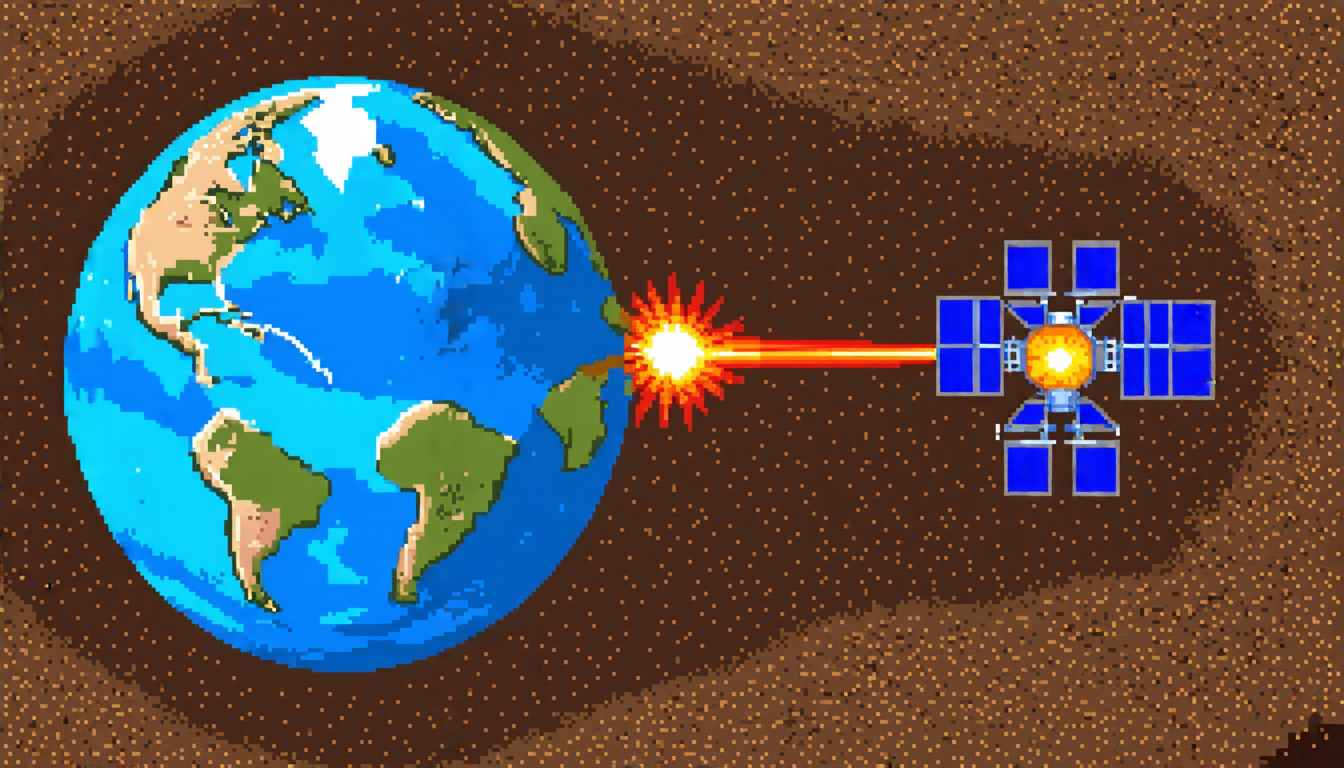
To make this work, scientists have developed a system that uses microwave radiation emitted by satellites to measure the moisture levels in the soil. The radiation is sent from space and bounces back off the surface of the Earth, with the amount of water present affecting how much energy is returned.
The data collected can then be used to create detailed maps of soil moisture levels across large areas, allowing researchers to track changes over time. This information could be particularly useful for monitoring weather patterns in regions where droughts and floods are common, such as Africa or Asia.
One of the key advantages of this method is that it can provide a more accurate picture of soil moisture levels than traditional methods. This is because microwave radiation can penetrate deeper into the soil than other forms of radiation, allowing researchers to measure the moisture levels in the top layer of the Earth’s surface with greater precision.
The potential benefits of this technology are significant. By providing detailed information on soil moisture levels, scientists could gain a better understanding of how climate change is impacting different regions around the world. This could help policymakers make more informed decisions about how to address the effects of global warming.
In addition, this technology could be used to improve weather forecasting and provide critical information for farmers and other agricultural workers who rely on accurate soil moisture data to plan their crops. By providing a more detailed picture of soil moisture levels, researchers hope to gain a better understanding of the complex interactions between the Earth’s surface and the atmosphere.
Overall, this new approach has the potential to revolutionize our understanding of how water moves through the environment and could provide critical information for policymakers and scientists working to address climate change.
Cite this article: “Revolutionary Approach to Monitoring Soil Moisture Levels Using Microwave Radiation”, The Science Archive, 2025.
Climate, Soil Moisture, Microwave Radiation, Satellites, Droughts, Floods, Global Warming, Weather Forecasting, Agriculture, Environmental Monitoring





