
Sunday 02 March 2025
The quest for specificity in neuroimaging research has long been a thorn in the side of scientists seeking to understand the complex workings of the human brain. A new study sheds light on the limitations of traditional methods and offers a fresh approach that could revolutionize our understanding of brain disorders.
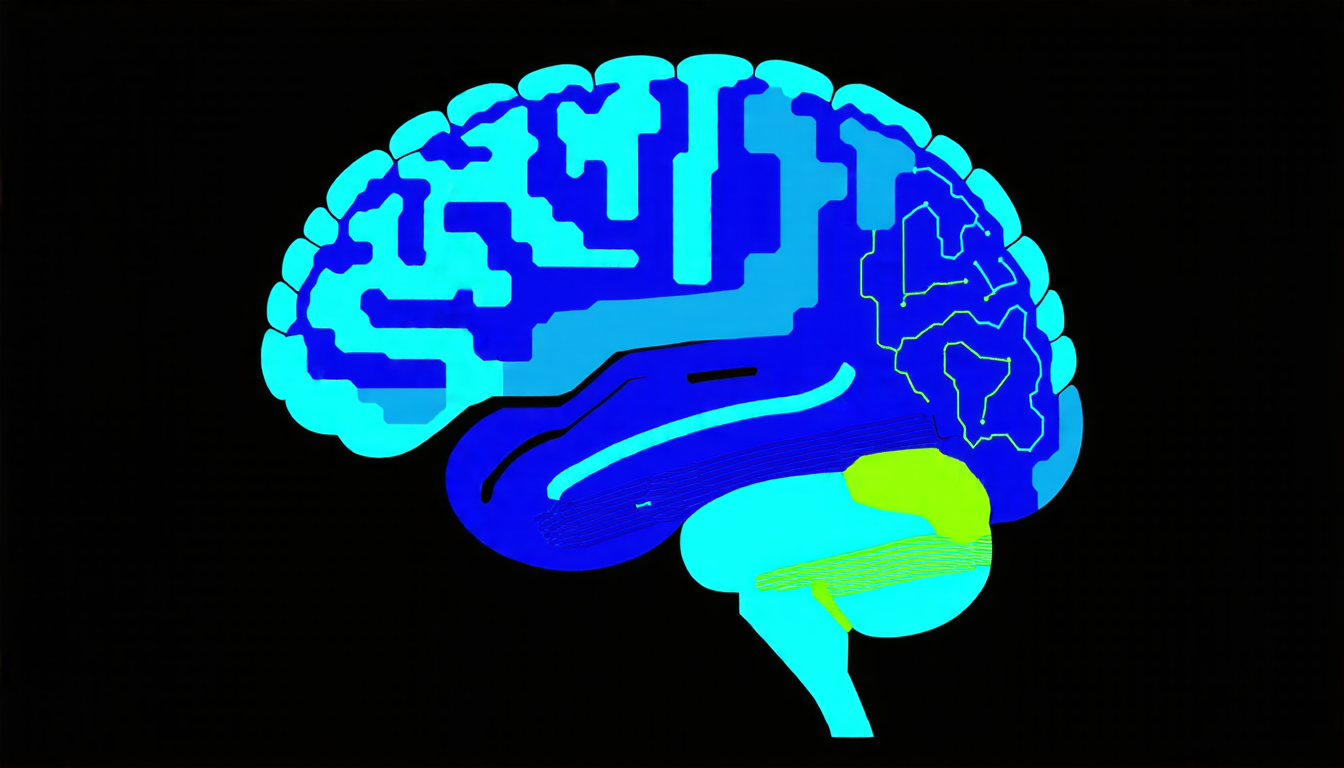
Neuroimaging studies have made tremendous progress in recent years, allowing researchers to peer into the brain’s inner workings with unprecedented precision. However, this progress has been tempered by a nagging problem: the difficulty in distinguishing between specific patterns of brain activity and those shared across multiple conditions.
One of the main challenges is the reliance on frequentist statistics, which are poorly suited to calculating specificity. These methods focus on the probability of observing extreme values, but they don’t account for the complexity of real-world data. As a result, they can lead to overestimations of specificity and misleading conclusions.
A Bayesian approach, on the other hand, offers a more nuanced solution. By incorporating probabilistic modeling and robust reverse inference, researchers can derive disease-specific patterns with greater accuracy. This method has been shown to outperform traditional frequentist methods in identifying unique brain alterations associated with specific conditions.
But there’s another crucial factor at play: the importance of well-defined control conditions. Simply comparing a given condition to a small subset of other disorders is unlikely to yield meaningful results. Instead, researchers must consider all known brain pathologies and incorporate them into their analysis.
A recent study demonstrated this principle by applying Bayesian methods to large-scale meta-analyses of neuroimaging data. The results showed that most brain pathologies converge on the same regions, making it essential to account for shared alterations when calculating specificity.
The implications are far-reaching. By adopting a more rigorous approach, researchers can gain a deeper understanding of brain disorders and develop more targeted treatments. This is especially important in fields like psychiatry, where misdiagnosis rates remain high.
In addition to improving diagnostic accuracy, this new approach could also shed light on the complex interplay between different brain regions. By teasing apart specific patterns of activity from those shared across conditions, researchers may uncover novel insights into the neural mechanisms underlying brain disorders.
As neuroimaging technology continues to advance, it’s essential that researchers adapt their methods to keep pace with these advances. The Bayesian approach offers a powerful tool for achieving this goal, and its potential benefits are undeniable.
Cite this article: “Decoding Brain Disorders: A New Approach to Unlocking Specificity in Neuroimaging Research”, The Science Archive, 2025.
Neuroimaging, Bayesian Approach, Specificity, Brain Disorders, Frequentist Statistics, Probabilistic Modeling, Reverse Inference, Disease-Specific Patterns, Control Conditions, Meta-Analyses