

Sunday 02 March 2025
The quest for a better understanding of complex networks has led scientists down a fascinating path, one that combines cutting-edge machine learning techniques with age-old problems in biology and medicine. A recent breakthrough in this field offers a promising new approach to predicting links between nodes in heterogeneous networks.
At the heart of this innovation is the concept of concentrated graph sampling, which allows researchers to extract relevant information from vast amounts of data without getting bogged down in unnecessary details. This technique, developed by a team of scientists, enables the creation of more accurate and efficient models for predicting linkages between different types of nodes – such as proteins, genes, or even people.
The challenge lies in the sheer complexity of these networks, which can contain thousands or even millions of nodes and edges. Traditional methods for analyzing these networks rely on manually defining meta-paths, which are essentially pre-defined routes that connect specific node types. However, this approach has limitations – it can be time-consuming and may not capture all the nuances of the network.
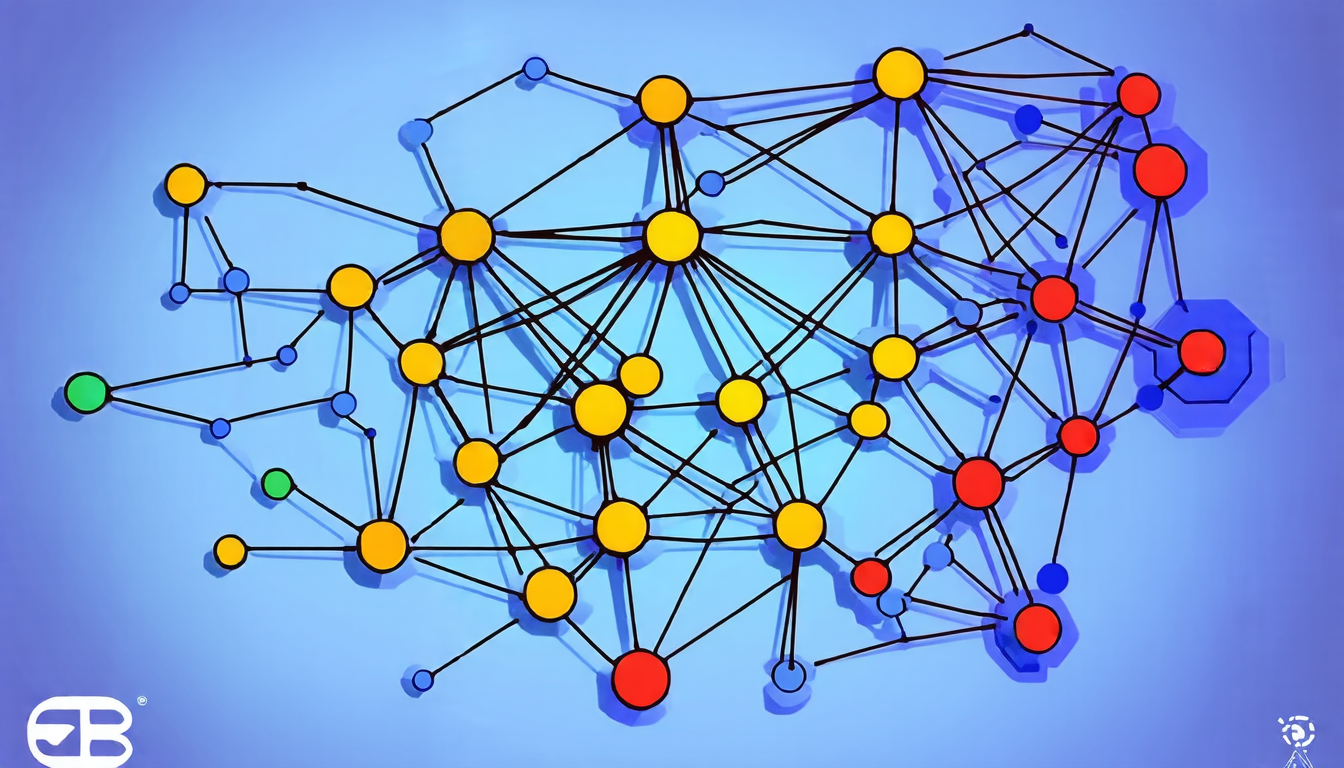
The new approach takes a different tack by introducing a sampling-based method that allows nodes to explore their surroundings in a more organic way. This process, known as concentrated graph sampling, starts with a head node and then selects subsequent nodes based on their proximity and relevance to the initial node. The result is a sequence of nodes that can be used to train machine learning models for predicting linkages.
One of the key benefits of this approach is its ability to handle large amounts of data without sacrificing accuracy. By concentrating on relevant nodes and edges, researchers can avoid getting bogged down in unnecessary information and focus on the most important patterns and relationships.
The implications of this breakthrough are far-reaching, with potential applications in fields such as drug discovery, social network analysis, and even cybersecurity. For example, by analyzing networks of protein interactions, scientists may be able to identify new targets for cancer therapy or develop more effective treatments for complex diseases.
In addition to its practical applications, the concentrated graph sampling approach also offers a new perspective on the nature of complex systems. By studying how nodes interact with each other in these networks, researchers can gain insights into the fundamental principles that govern their behavior and dynamics.
Overall, this innovative approach has the potential to revolutionize our understanding of complex networks and open up new avenues for research and discovery.
Cite this article: “Unlocking Complex Networks with Concentrated Graph Sampling”, The Science Archive, 2025.
Complex Networks, Machine Learning, Graph Sampling, Heterogeneous Networks, Protein Interactions, Drug Discovery, Social Network Analysis, Cybersecurity, Cancer Therapy, Big Data





