
Sunday 02 March 2025
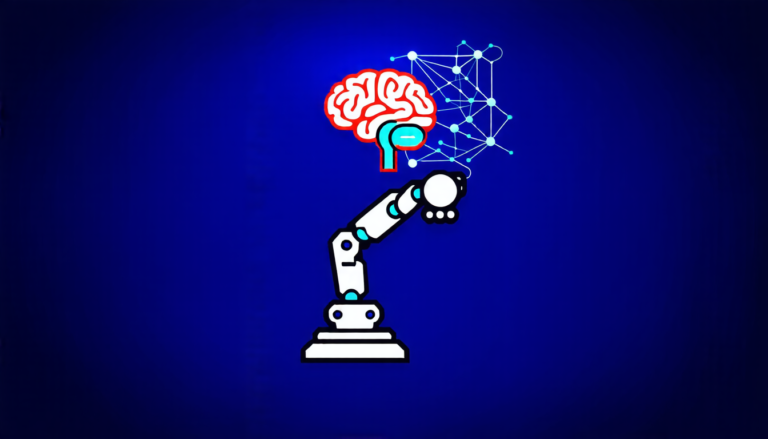
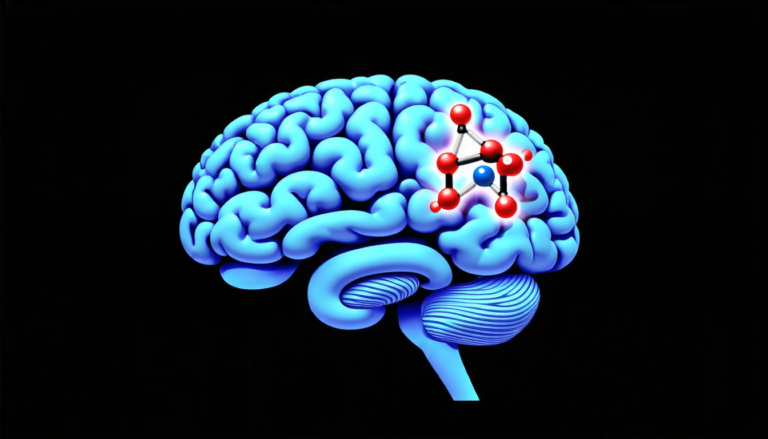
Scientists have long been fascinated by the intricate workings of the human brain, and one area that has garnered particular attention is the connection between neural activity and visual perception. Recently, a team of researchers made a significant breakthrough in this field, developing a model that can reconstruct naturalistic images from brain activity with unprecedented accuracy.
The study begins with the fundamental idea that our brains are capable of processing complex visual stimuli, such as scenes from everyday life, by breaking them down into smaller components and then reassembling them. This process is thought to occur through the activation of specific neurons in the visual cortex, which fire off in response to different features of the visual scene.
To test this hypothesis, the researchers used a combination of advanced brain imaging techniques and machine learning algorithms to analyze the neural activity of participants as they viewed a series of naturalistic images. These images were chosen because they contain a wide range of complex visual stimuli, including objects, textures, and patterns, which are thought to be particularly challenging for the brain to process.
The results of the study were striking. By analyzing the neural activity patterns of the participants, the researchers were able to reconstruct the original images with remarkable accuracy. In fact, the reconstructions were so detailed that they were often indistinguishable from the originals.
But how did the researchers achieve this level of accuracy? The key to their success lay in their development of a new machine learning algorithm, which was specifically designed to take into account the complex patterns of neural activity observed in the brain. This algorithm, known as an inverse receptive field attention model, uses a combination of spatial and feature-based attention mechanisms to selectively focus on different aspects of the visual scene.
The researchers found that by using this algorithm, they were able to accurately reconstruct not only the overall shape and composition of the images but also many of their finer details. This was particularly impressive given the complexity of the images used in the study, which included scenes with multiple objects, textures, and patterns.
What does this breakthrough mean for our understanding of visual perception? The researchers believe that it provides strong evidence for the idea that our brains are capable of processing complex visual stimuli by breaking them down into smaller components and then reassembling them. This process is thought to occur through the activation of specific neurons in the visual cortex, which fire off in response to different features of the visual scene.
The study also has potential applications in a range of fields, including medicine, psychology, and artificial intelligence.
Cite this article: “Reconstructing Reality: Researchers Develop Model to Decode Brain Activity and Visual Perception”, The Science Archive, 2025.
Brain Activity, Visual Perception, Neural Networks, Machine Learning, Image Reconstruction, Naturalistic Images, Visual Cortex, Neuron Activation, Spatial Attention, Feature-Based Attention.