

Monday 03 March 2025
Scientists have made a significant breakthrough in understanding how cells move and interact with their environment. By studying the way cells change shape and adapt to different conditions, researchers have gained insight into the complex processes that govern cell behavior.
One of the key findings is that cells can change shape by altering the structure of their membranes, which is crucial for movement and interaction. This process involves a delicate balance between different forces, including chemical and physical interactions. By understanding how these forces interact, scientists can better grasp the intricate mechanisms that drive cell behavior.
Another important discovery is that cells can adapt to changing conditions by reorganizing their internal structure. This ability to reorganize allows cells to respond quickly to changes in their environment and maintain their function. By studying this process, researchers have gained a deeper understanding of how cells cope with stress and adapt to new situations.
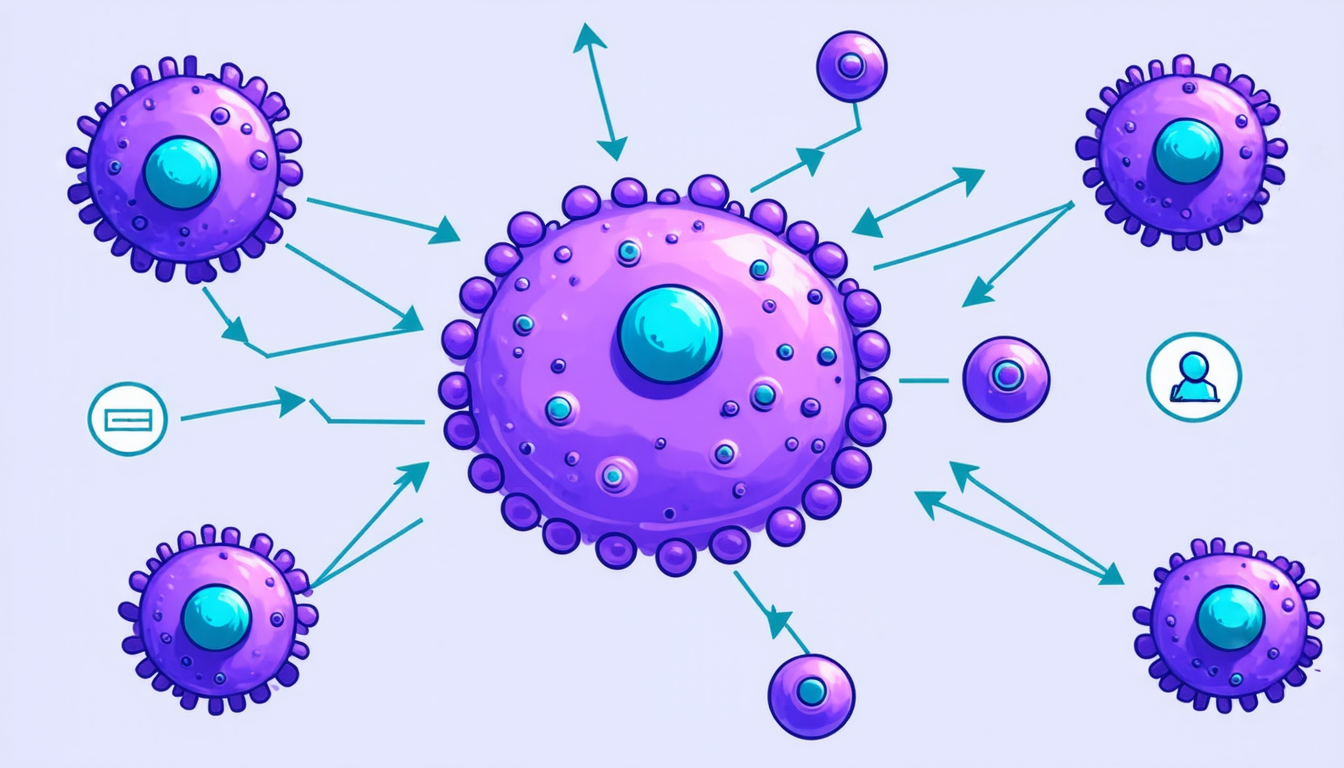
The study also highlights the importance of cell-cell interactions in shaping cell behavior. Cells communicate with each other through complex networks of signaling pathways, which play a crucial role in regulating cell movement and differentiation. By understanding these interactions, scientists can better appreciate the intricate social dynamics that govern cell behavior.
One of the most significant implications of this research is its potential to shed light on the mechanisms underlying diseases such as cancer. Cancer cells often exhibit abnormal cell behavior, including uncontrolled growth and migration. By understanding the normal processes that govern cell behavior, researchers may be able to develop new treatments for these diseases.
The study’s findings also have important implications for our understanding of development and tissue engineering. By gaining insight into the complex mechanisms that drive cell behavior, scientists can better design strategies for regenerating tissues and organs. This could potentially lead to breakthroughs in fields such as organ transplantation and tissue repair.
Overall, this research represents a significant step forward in our understanding of cell biology. By studying the intricate mechanisms that govern cell behavior, scientists are gaining new insights into the complex processes that drive life itself.
Cite this article: “Unlocking the Secrets of Cell Behavior”, The Science Archive, 2025.
Cell Biology, Cellular Movement, Membrane Structure, Cell Signaling, Tissue Engineering, Cancer Research, Cell Adaptation, Cell-Cell Interactions, Development, Organ Transplantation





