
Monday 03 March 2025
Scientists have long sought to unravel the mysteries of cell development, studying how cells differentiate and evolve over time. But deciphering these complex processes has proven a daunting task. Until now.
Researchers have developed a new method that uses optimal transport theory to model the developmental trajectory of cell types. This innovative approach allows scientists to identify key biological change points and track the evolution of different cell populations over time.
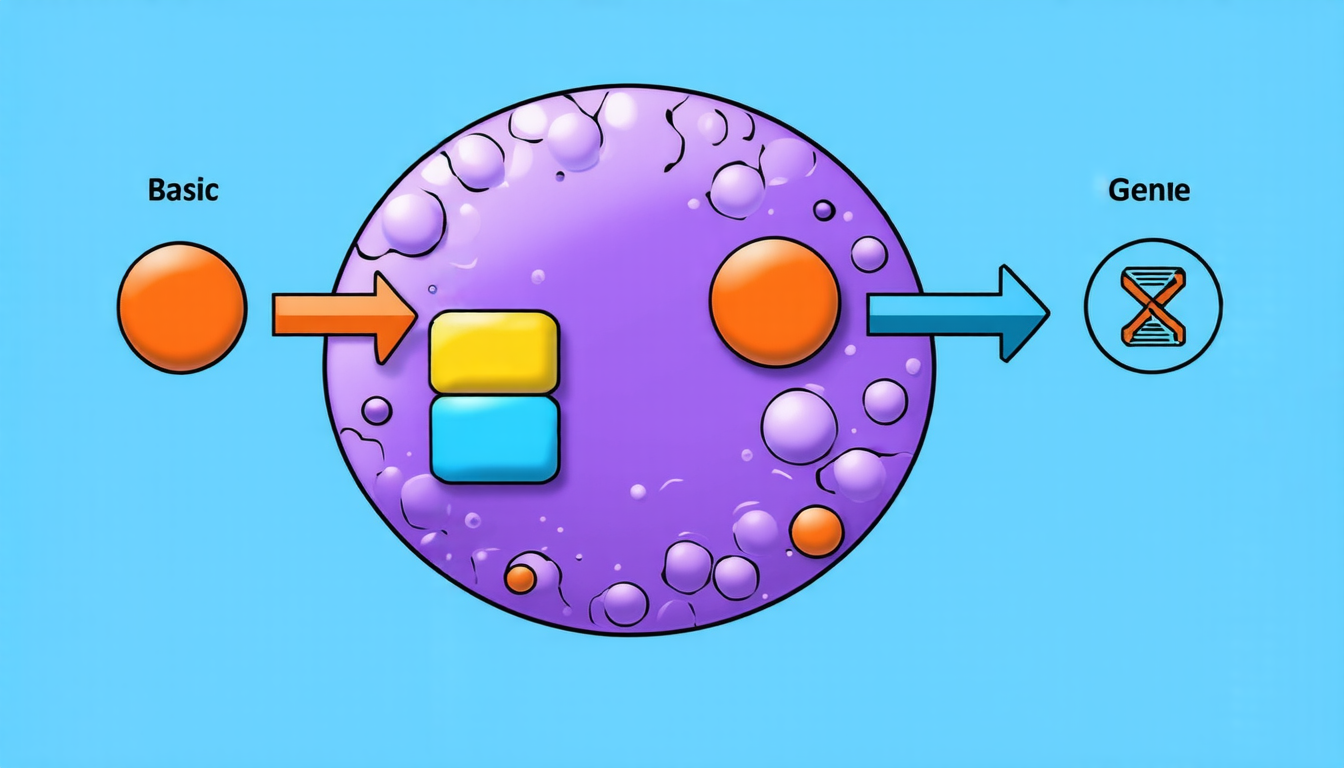
The technique is based on the concept of unbalanced optimal transport, which involves finding the most efficient way to move mass from one distribution to another. In this case, the researchers applied this principle to gene expression data, analyzing how cells express different genes as they develop.
By using optimal transport theory, scientists can identify patterns and relationships in the data that might be difficult or impossible to detect with traditional methods. This allows them to reconstruct the developmental trajectory of cell types, including changes in gene expression over time.
The researchers applied this method to a real-world dataset from mouse embryonic fibroblasts, which are cells that play a critical role in early development. By analyzing the data, they were able to identify two key biological change points: one around day 4.5 and another around day 10. These changes mark significant shifts in the cell population, as some cells begin to differentiate into new types.
The results of this study have important implications for our understanding of cellular development. By using optimal transport theory to model these processes, scientists can gain a deeper understanding of how cells evolve over time. This knowledge could ultimately lead to new insights into human health and disease.
One of the most exciting aspects of this research is its potential applications in regenerative medicine. By understanding how cells develop and differentiate, scientists may be able to better manipulate these processes to repair damaged tissues or regenerate organs.
The study also highlights the power of interdisciplinary collaboration. The researchers drew on concepts from optimal transport theory, mathematics, and biology to develop their new method. This fusion of expertise has led to a novel approach that could revolutionize our understanding of cellular development.
As scientists continue to uncover the secrets of cell development, this innovative method will undoubtedly play a key role in advancing our knowledge. By using optimal transport theory to model these complex processes, researchers can gain a deeper understanding of how cells evolve over time and potentially unlock new treatments for human diseases.
Cite this article: “Deciphering Cellular Development Through Optimal Transport Theory”, The Science Archive, 2025.
Cell Development, Optimal Transport Theory, Gene Expression, Cellular Differentiation, Developmental Trajectory, Biological Change Points, Cell Populations, Regenerative Medicine, Interdisciplinary Collaboration, Mathematics And Biology.