
Monday 03 March 2025
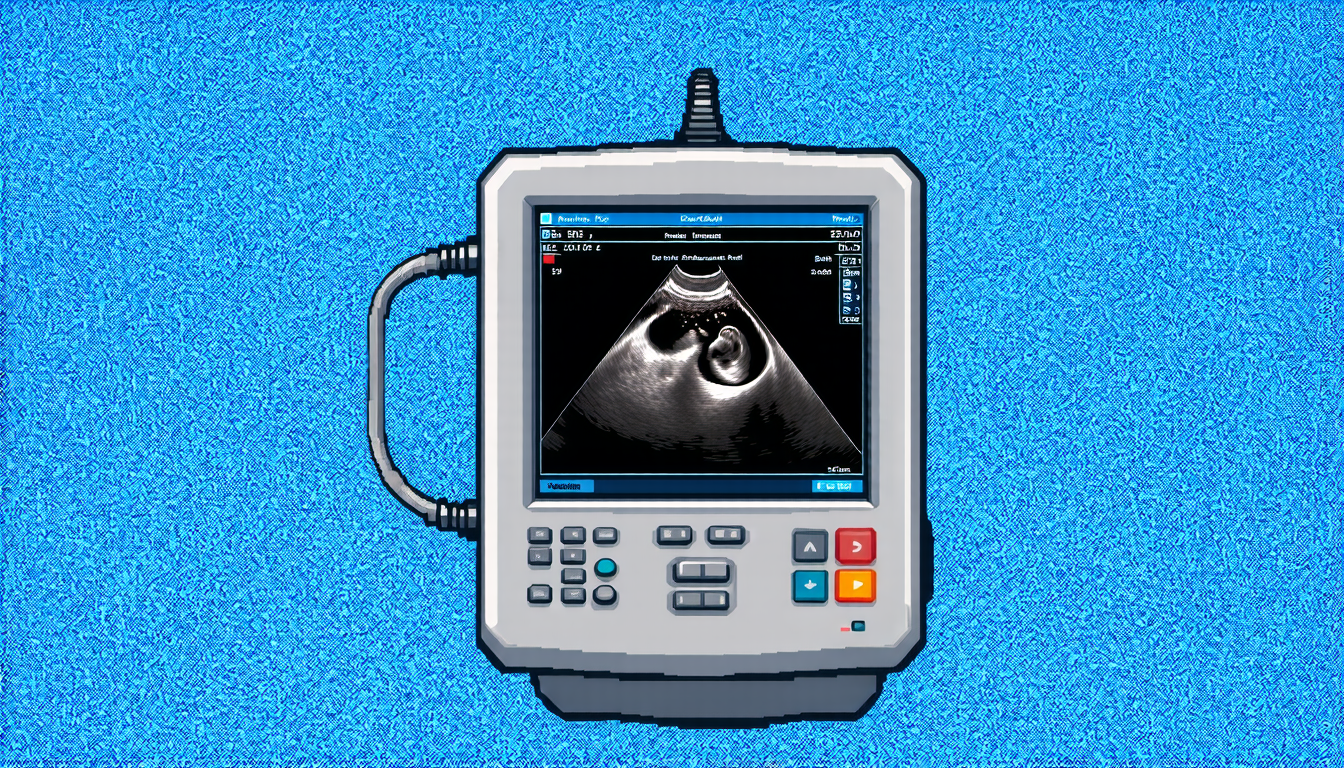
Scientists have made a significant breakthrough in the field of medical imaging, developing a new method that can accurately estimate quantitative ultrasound (QUS) parameters without compromising image quality.
Quantitative ultrasound is a powerful tool used to diagnose and monitor various diseases, including breast cancer, liver disease, and prostate cancer. However, current methods for estimating QUS parameters are often limited by noise and artifacts in the images, which can lead to inaccurate results.
The new method, called Constrained-Alternating Direction Method of Multipliers (C-ADMM), incorporates prior knowledge about the minimum physically feasible values of the estimated parameters as constraints into the optimization framework. This approach ensures that the estimated values are within a reasonable range and reduces the impact of noise and artifacts on the results.
In a recent study, researchers tested C-ADMM using experimental phantom data collected from a Gammex 410 SCG phantom with specular reflectors. The results showed that C-ADMM outperformed traditional methods in estimating QUS parameters, particularly in regions where previous methods struggled to yield accurate results due to noise and artifacts.
One of the key advantages of C-ADMM is its ability to reduce bias errors in the estimated values. In the study, the researchers found that C-ADMM significantly reduced bias errors compared to traditional methods, resulting in more accurate estimates of QUS parameters.
The new method also showed improved variance in the estimated values, indicating a more reliable and consistent performance. This is particularly important for medical imaging applications where small changes in the estimated values can have significant implications for diagnosis and treatment.
The researchers believe that C-ADMM has the potential to revolutionize the field of QUS by providing accurate and reliable estimates of QUS parameters. The method’s ability to reduce bias errors and improve variance makes it an attractive solution for medical imaging applications, where accurate diagnosis and monitoring are critical.
In addition to its potential impact on medical imaging, C-ADMM can also be applied to other fields where noise and artifacts are present in the data. For example, the method could be used to improve image quality in astronomy or materials science applications.
Overall, the development of C-ADMM is an exciting breakthrough that has the potential to transform the field of QUS. The method’s ability to provide accurate and reliable estimates of QUS parameters will enable researchers and clinicians to make more informed decisions about diagnosis and treatment, ultimately improving patient care.
Cite this article: “Accurate Quantitative Ultrasound Parameter Estimation Without Compromising Image Quality”, The Science Archive, 2025.
Medical Imaging, Quantitative Ultrasound, Image Quality, Noise Reduction, Artifact Removal, Optimization Method, Constraint-Based Approach, Phantom Data, Qus Parameters, Medical Diagnosis