

Tuesday 04 March 2025
A team of researchers has made a significant breakthrough in the field of artificial intelligence, developing a new method for training knowledge graph embeddings that incorporates ontology information from large-scale datasets. The approach, which uses semantic partitioning to divide the data into smaller, more manageable chunks, has shown promising results on several popular benchmarks.
Knowledge graphs are complex networks of interconnected entities and relationships, used to represent vast amounts of information in fields such as natural language processing, computer vision, and expert systems. However, training models that can effectively learn from these graphs can be a challenging task, especially when dealing with very large-scale datasets.
One major issue is the sheer scale of the data, which can make it difficult for traditional machine learning algorithms to process efficiently. To address this, researchers have developed various techniques for partitioning and parallelizing the training process, but these methods often sacrifice accuracy in order to achieve speed.
The new approach, on the other hand, takes a different tack by incorporating ontology information into the partitioning process. Ontologies are high-level structures that organize entities and relationships into categories and hierarchies, providing a rich source of semantic information that can be used to inform the training process.
By using this information to divide the data into smaller chunks, the researchers were able to develop a more efficient and effective training method that produces higher-quality embeddings. The approach is particularly well-suited for large-scale datasets, where the sheer volume of data would otherwise make it difficult to train models that can capture complex relationships between entities.
The researchers evaluated their approach on several popular benchmarks, including the FB15K and FB15K-237 datasets, which are commonly used in the field. The results showed significant improvements over traditional methods, with the new approach achieving higher accuracy and better performance on a range of downstream tasks.
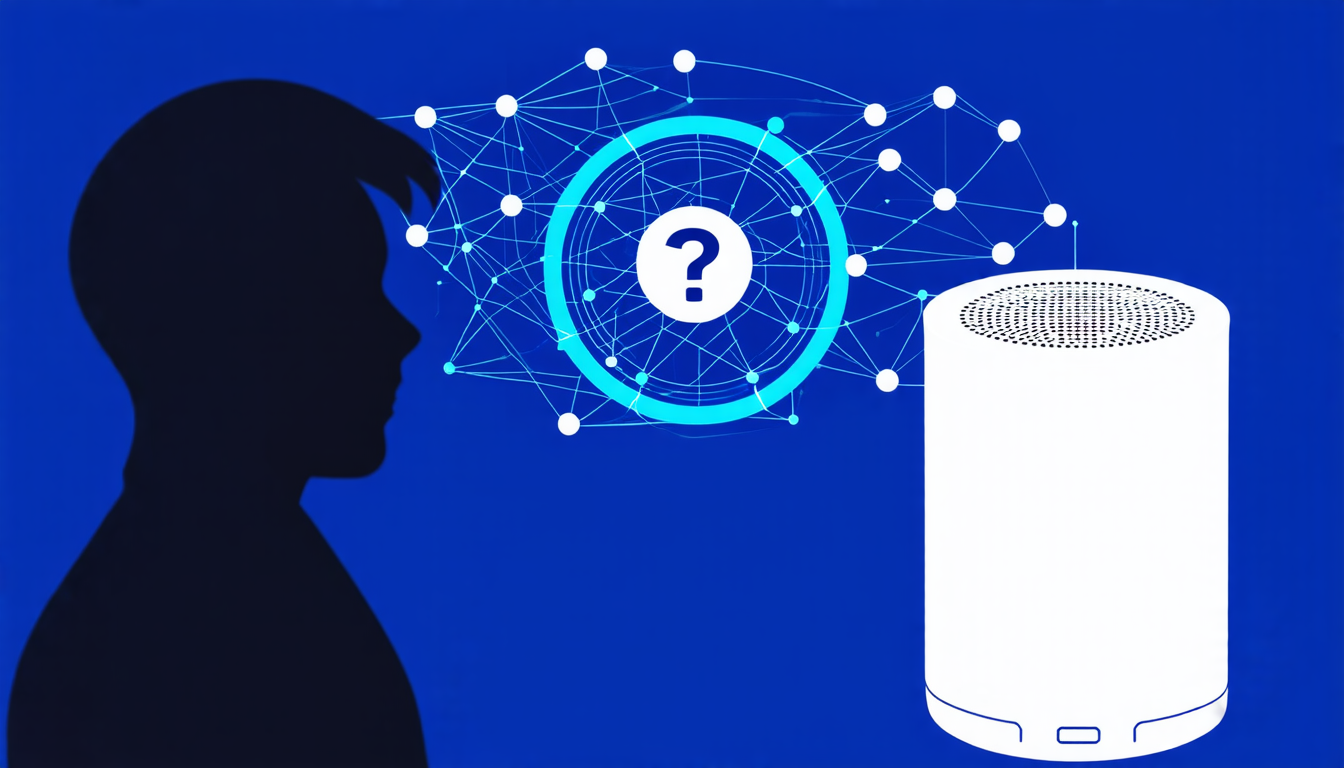
One potential application of this technology is in the development of intelligent assistants that can understand and respond to natural language queries. By incorporating knowledge graphs into these systems, developers could create more sophisticated and accurate AI models that can provide users with more helpful and informative responses.
The implications of this research are far-reaching, with potential applications in a wide range of fields, from healthcare and finance to education and entertainment. As the volume and complexity of data continue to grow, developing new methods for efficiently processing and analyzing large-scale datasets will be critical to driving innovation and progress in many areas.
Cite this article: “Breakthrough in Knowledge Graph Embeddings Boosts AI Performance”, The Science Archive, 2025.
Artificial Intelligence, Knowledge Graphs, Ontology Information, Semantic Partitioning, Machine Learning, Large-Scale Datasets, Training Models, Natural Language Processing, Computer Vision, Expert Systems.





