
Tuesday 04 March 2025
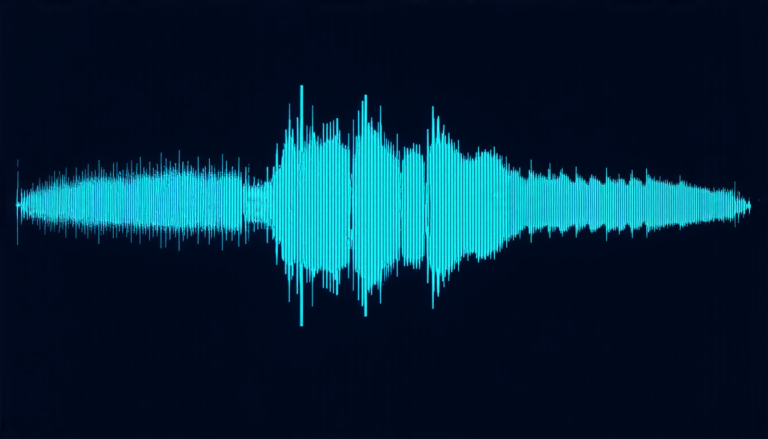
Music transcription, the process of converting audio recordings into written scores, has long been a challenging task for musicologists and machine learning researchers alike. Traditionally, this task required extensive manual annotation and processing, limiting its scope and accuracy. However, recent advancements in deep learning have opened up new possibilities for automated music transcription.
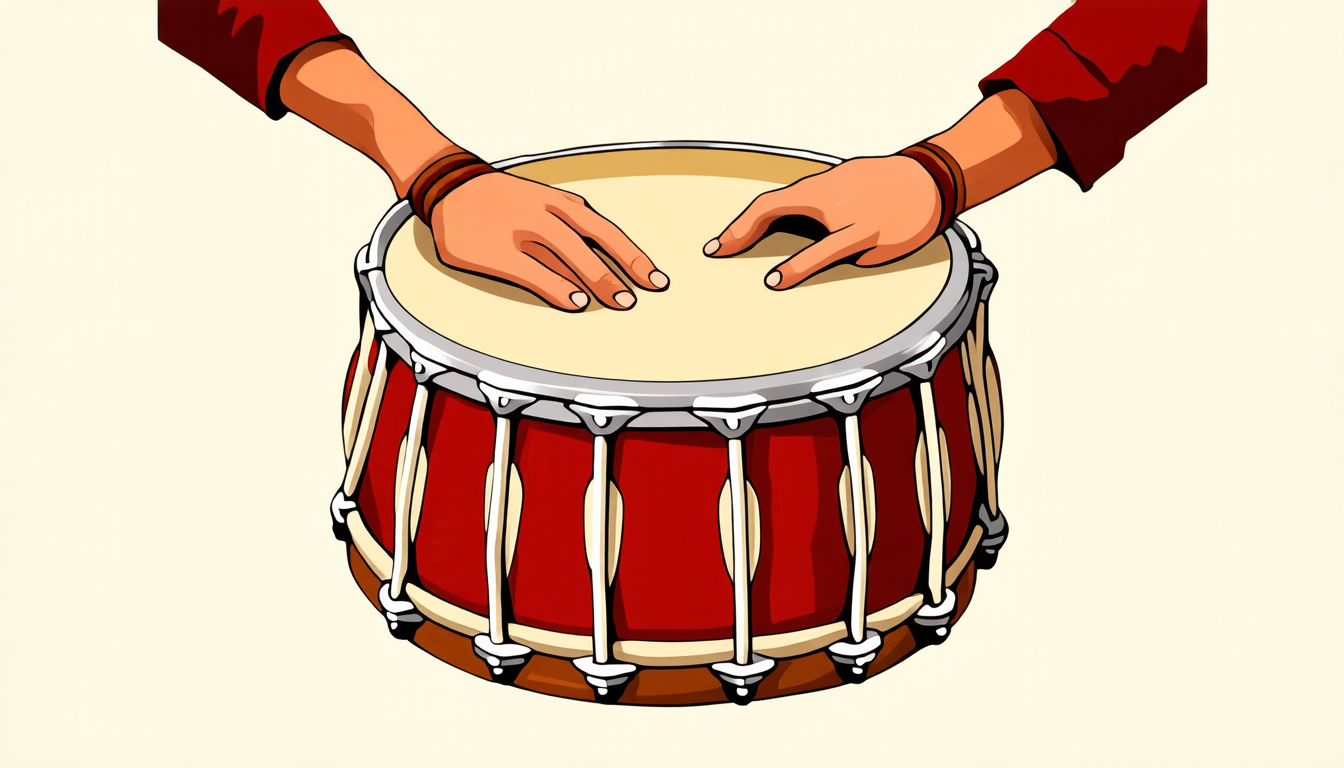
The latest breakthrough comes from a team of researchers who have developed a novel approach using Model-Agnostic Meta-Learning (MAML) to transcribe tabla strokes and drum sounds with unprecedented precision. The tabla is an Indian percussion instrument that plays a crucial role in Hindustani classical music, while drum sounds are ubiquitous in Western music.
The researchers’ approach leverages the MAML framework, which enables rapid adaptation to new tasks with minimal labeled data. By training their model on various datasets featuring tabla strokes and drum sounds, they were able to achieve remarkable performance across diverse scenarios, including polyphonic audio tracks and concert recordings.
One of the key innovations lies in the researchers’ ability to identify and classify rhythmic patterns using stroke sequences and rhythmic patterns. This allows for more accurate transcription of complex rhythms, which is particularly important in Indian classical music where intricate rhythmic structures are a hallmark.
The MAML-based approach also shows remarkable flexibility, successfully transcribing tabla strokes and drum sounds across different genres and styles. Moreover, the model’s performance improves significantly when trained on minimal labeled data, making it an attractive solution for real-world applications where manual annotation is impractical or expensive.
In addition to music transcription, this research has far-reaching implications for music information retrieval (MIR) and music cognition. By developing more accurate and efficient methods for transcribing tabla strokes and drum sounds, researchers can better analyze and understand the intricate complexities of Indian classical music.
The potential applications are vast, from creating interactive singing melodies to analyzing and preserving traditional music heritage. Furthermore, this breakthrough may also inform the development of more sophisticated music generation algorithms, allowing for the creation of new and innovative musical compositions.
As machine learning continues to revolutionize various fields, it is exciting to see researchers pushing the boundaries of what is possible in music transcription. The prospect of unlocking the secrets of Indian classical music and drum sounds has far-reaching implications for our understanding of music and its cultural significance.
Cite this article: “Revolutionizing Music Transcription: A Breakthrough in Tabla Stroke and Drum Sound Recognition”, The Science Archive, 2025.
Music, Transcription, Machine Learning, Deep Learning, Tabla, Drum Sounds, Maml, Meta-Learning, Music Information Retrieval, Indian Classical Music.