

Tuesday 04 March 2025
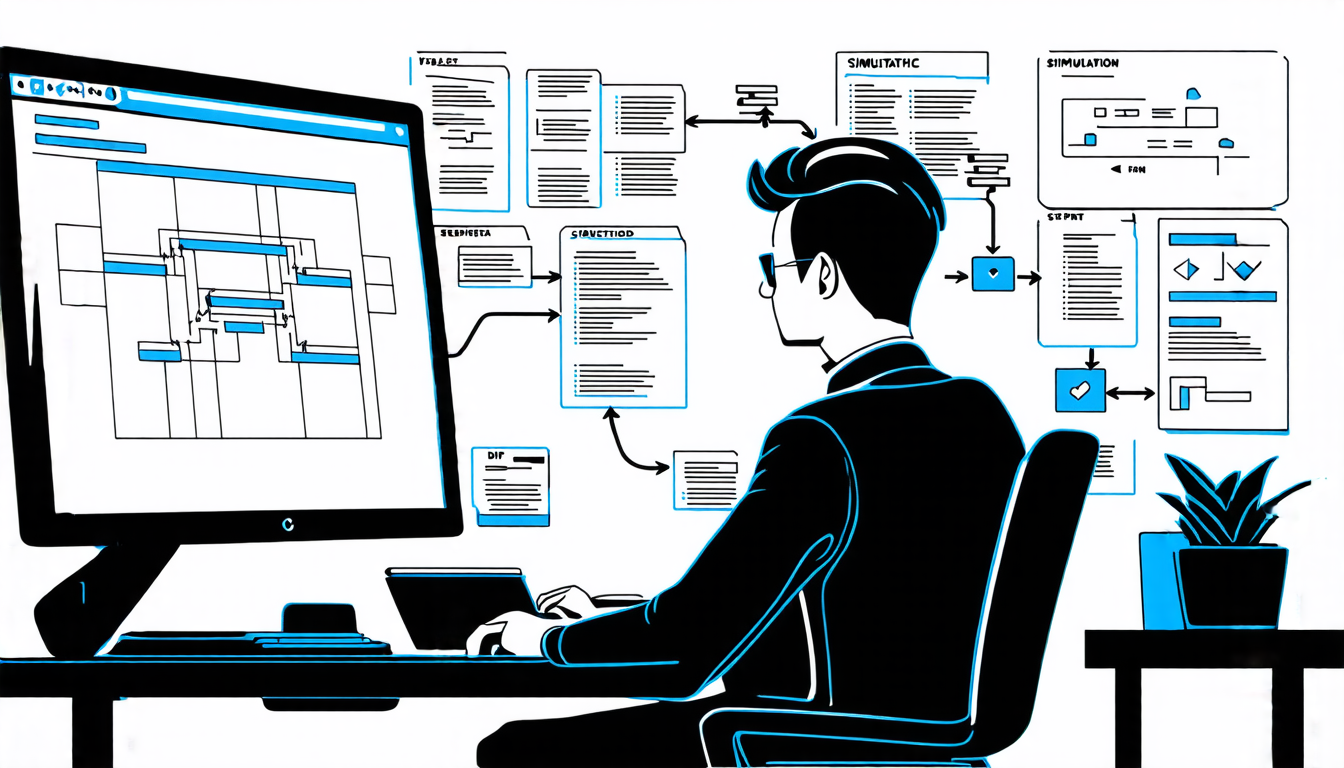
In a world where software development is increasingly complex, researchers are turning to an unlikely tool to help them navigate the chaos: simulation. By modeling and testing virtual systems, developers can identify potential issues before they become major problems, saving time and resources.
The concept may seem simple, but the reality is far more nuanced. Developing effective simulations requires a deep understanding of the underlying systems and processes involved. This is why researchers have been working to develop standardized guidelines for creating and validating software process simulation models.
These models are used to simulate various aspects of software development, from team dynamics to project timelines. By analyzing these simulated scenarios, developers can identify bottlenecks, optimize workflows, and make more informed decisions about resource allocation.
But with so many variables at play, how do researchers ensure that their simulations are accurate and reliable? The answer lies in validation – the process of testing and refining a simulation model to ensure it accurately reflects real-world behavior.
Researchers have developed several techniques for validating software process simulation models. One approach is to use existing data from completed projects to test the accuracy of the simulation. By comparing the simulated results with actual outcomes, developers can identify areas where the model needs improvement.
Another technique is to involve stakeholders in the validation process. This includes subject matter experts who have a deep understanding of the systems and processes being modeled. By working closely with these individuals, researchers can ensure that the simulation accurately reflects real-world complexities and nuances.
As software development continues to evolve, the need for effective simulation models will only grow more pressing. With the ability to predict and prevent potential issues, developers can focus on creating innovative solutions rather than firefighting problems as they arise.
The benefits of simulation are not limited to individual projects either. By developing standardized guidelines and best practices for simulation modeling, researchers hope to create a community-driven approach that can be applied across industries and organizations.
Ultimately, the goal is to create a future where software development is more efficient, effective, and reliable. With the power of simulation on their side, developers can achieve this vision by testing and refining their models in a virtual environment before moving into production.
Cite this article: “Simulating Success: The Power of Simulation in Software Development”, The Science Archive, 2025.
Software Development, Simulation, Modeling, Validation, Accuracy, Reliability, Project Management, Team Dynamics, Resource Allocation, Innovation.





