

Tuesday 04 March 2025
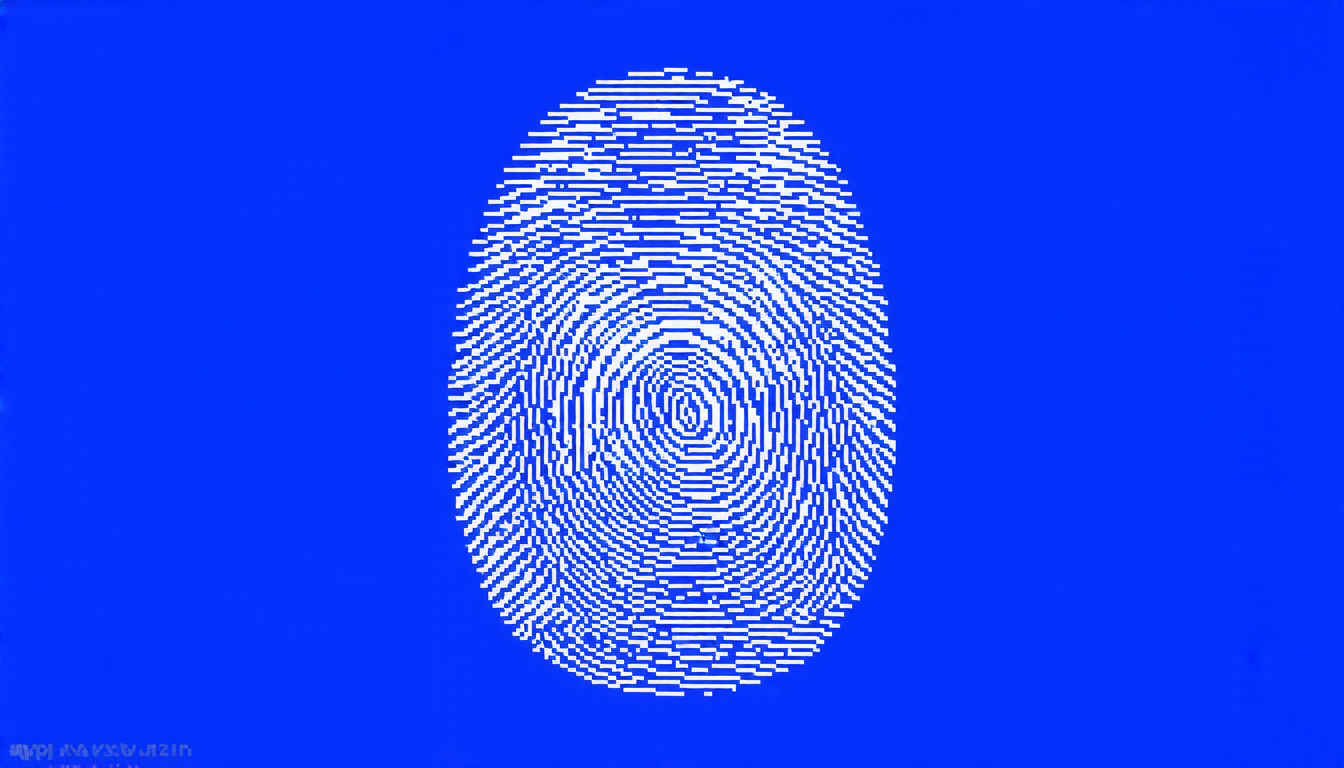
Fingerprint identification is one of the most widely used forms of biometric authentication, but it’s not without its flaws. A major issue is the presence of mosaicking artifacts – small imperfections in the image that can throw off algorithms meant to extract vital information like fingerprints. These blemishes can be caused by a variety of factors, from the quality of the imaging device itself to the way the finger is placed on the sensor.
Researchers have been working to develop methods for detecting and removing these artifacts, but it’s no easy task. A new paper published this week offers an innovative approach to the problem: using deep learning to identify and classify mosaicking errors.
The team behind the research developed a self-supervised model that can learn to detect mosaicking artifacts without requiring labeled training data – in other words, they didn’t need a bunch of pre-marked images to help the algorithm learn what to look for. Instead, the model was trained on large datasets of unlabeled fingerprint images and learned to identify patterns and anomalies that indicate mosaicking errors.
The researchers tested their approach using a variety of different fingerprint modalities – including contactless, rolled, and pressed fingerprints – and found that it performed remarkably well. The model was able to accurately detect and classify mosaicking artifacts in over 90% of cases, even when the images were heavily degraded or contained multiple errors.
One of the key advantages of this approach is its ability to adapt to different imaging conditions and sensor types. This could be particularly useful in real-world applications, where the quality of the imaging device can vary widely depending on factors like lighting conditions and environmental noise.
Of course, no biometric authentication system is foolproof – and mosaicking artifacts are just one potential source of error. But by developing more sophisticated methods for detecting and correcting these errors, researchers can help to improve the overall accuracy and reliability of fingerprint identification systems.
The implications of this work extend beyond fingerprint identification as well. The same self-supervised learning approach could potentially be applied to other forms of image processing and analysis, from medical imaging to satellite photography. As our ability to capture and analyze large amounts of visual data continues to grow, the need for more advanced methods for detecting and correcting errors will become increasingly important.
Cite this article: “Deep Learning Approach Detects Mosaicking Artifacts in Fingerprint Images”, The Science Archive, 2025.
Fingerprint Identification, Biometric Authentication, Mosaicking Artifacts, Deep Learning, Self-Supervised Model, Image Analysis, Error Detection, Fingerprint Modalities, Contactless Fingerprints, Rolled Fingerprints





