
Thursday 06 March 2025
Ptychography is a technique used in microscopy to capture high-resolution images of samples without the need for lenses or other optical components. It works by scanning a sample with a focused beam of light and measuring the diffraction pattern that results from the interaction between the light and the sample. This information can then be used to reconstruct an image of the sample with unprecedented resolution.
One of the biggest challenges in ptychography is dealing with noise, which can arise from various sources such as thermal fluctuations or detector imperfections. Noise can significantly degrade the quality of the reconstructed images, making it difficult to extract useful information from them.
To address this issue, researchers have developed a new technique called blind multi-mode projected multi-agent consensus equilibrium (BM-PMACE). This method uses a distributed approach, where multiple agents work together to estimate the complex transmittance image and multiple probe functions simultaneously. By doing so, BM-PMACE can effectively reduce noise and improve the quality of the reconstructed images.
The researchers behind BM-PMACE used synthetic data to test their technique and compared its performance with other state-of-the-art methods. The results showed that BM-PMACE outperformed these methods in terms of reconstruction accuracy and convergence rate. This suggests that BM-PMACE could be a valuable tool for ptychographic microscopy, particularly when dealing with noisy data.
One of the key advantages of BM-PMACE is its ability to handle partially coherent light sources, which are commonly used in ptychography. Traditional methods often struggle with these types of light sources, as they can introduce additional complexity and uncertainty into the reconstruction process. BM-PMACE, on the other hand, is designed to take this complexity into account, making it a more robust and versatile technique.
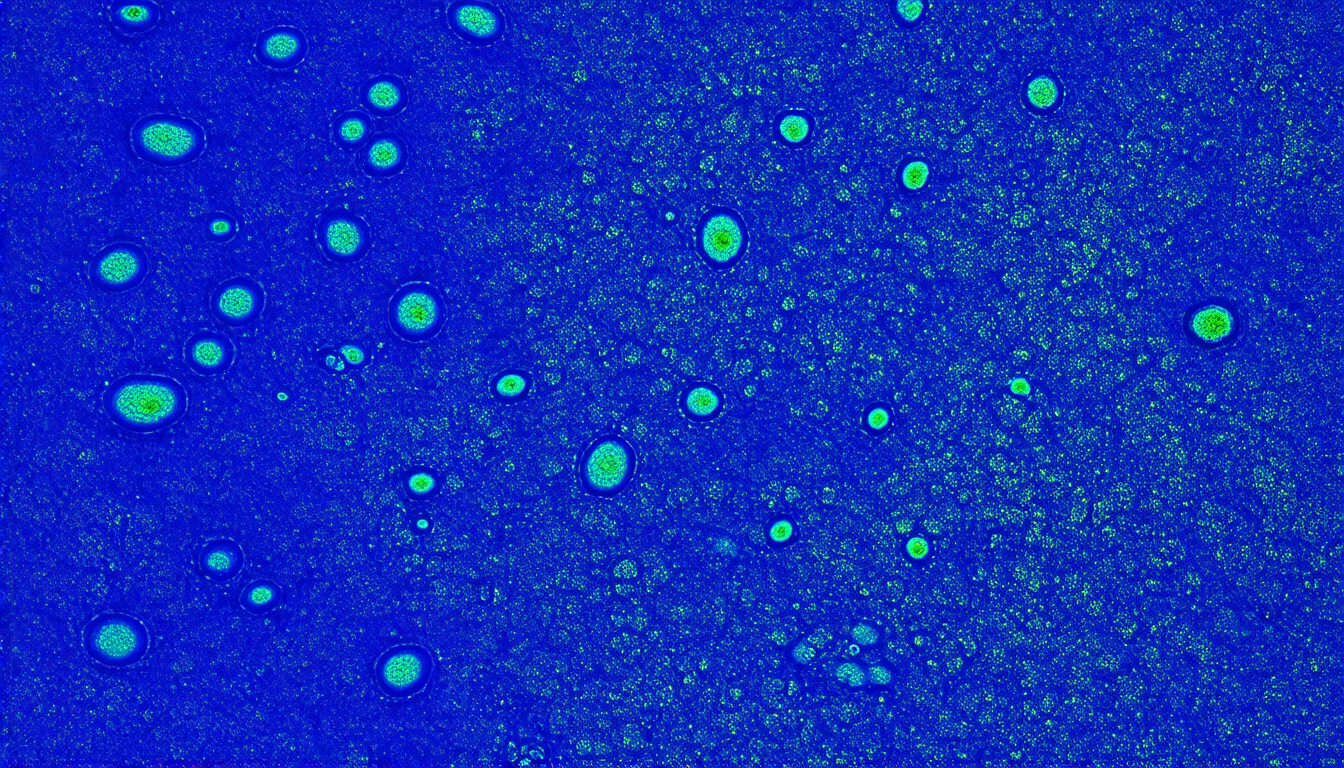
The researchers also tested BM-PMACE using real-world data from an x-ray ptychography experiment. The results showed that the method was able to accurately reconstruct the complex transmittance image of a sample with high resolution and low noise. This demonstrates the potential of BM-PMACE for practical applications in fields such as materials science and biology.
In addition to its technical benefits, BM-PMACE also offers a more efficient and scalable approach to ptychographic reconstruction. By distributing the computation across multiple agents, BM-PMACE can take advantage of parallel processing capabilities and reduce the computational complexity of the reconstruction process. This makes it an attractive option for large-scale datasets or high-throughput imaging applications.
Cite this article: “Advances in Ptychographic Microscopy: A New Technique for Noise Reduction and High-Resolution Imaging”, The Science Archive, 2025.
Ptychography, Microscopy, Noise Reduction, Bm-Pmace, Distributed Processing, Parallel Computing, Image Reconstruction, Optical Imaging, Materials Science, Biology