

Thursday 06 March 2025
The quest for automated software testing has been a longstanding one, with developers and researchers alike seeking ways to streamline the process and reduce the likelihood of errors. In recent years, advancements in natural language processing (NLP) have shown promise in tackling this challenge. A new approach, outlined in an article published on arXiv, leverages large language models (LLMs) to generate test cases for web applications with unprecedented speed and accuracy.
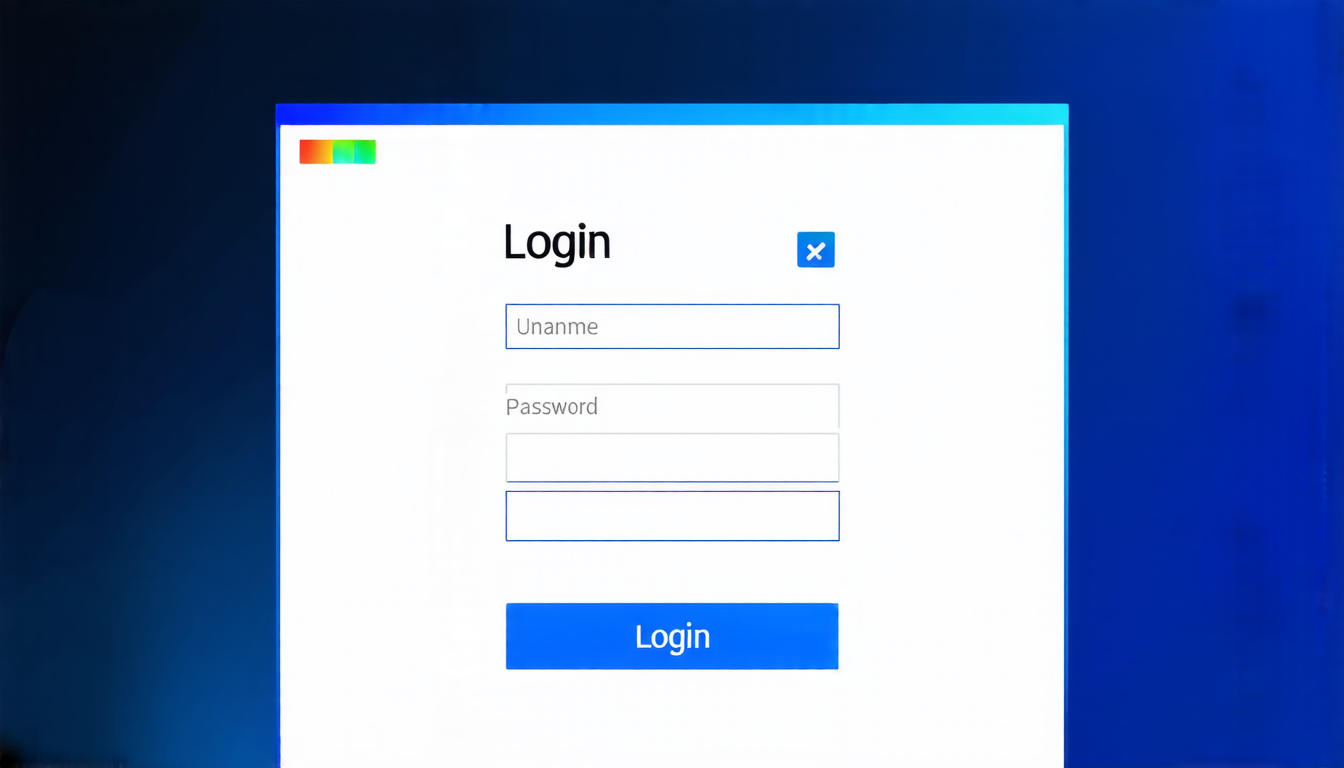
The authors’ methodology begins by analyzing the structure of a web application’s user interface, using techniques such as DOM tree analysis to identify key elements like input fields, buttons, and labels. This information is then fed into an LLM, which uses its understanding of natural language to generate test cases that cover a wide range of scenarios.
The results are impressive: in tests conducted on two distinct web applications, the authors’ approach achieved success rates of 90% and 70%, respectively, in generating functional test cases. These cases were designed to cover everything from simple login attempts to more complex user interactions, and the LLM’s ability to learn from context was a key factor in its success.
One of the most significant advantages of this approach is its ability to reduce the time and effort required for testing. Traditional methods often involve manual scripting or the use of specialized tools, which can be time-consuming and prone to errors. By contrast, the LLM-based approach can generate test cases in a matter of minutes, freeing up developers to focus on other tasks.
The authors also highlight the potential benefits of their approach for large-scale software development projects. As applications grow in complexity, maintaining comprehensive test suites becomes increasingly difficult. The use of LLMs could help alleviate this burden, allowing developers to quickly generate and execute tests that cover even the most intricate scenarios.
Of course, there are still challenges to be overcome before this approach can become a mainstream solution. For one thing, the authors note that their methodology is not yet suitable for applications with exceptionally large DOM structures, which could overwhelm the LLM’s ability to learn from context. Additionally, further research will be needed to ensure the scalability and reliability of the approach in real-world settings.
Despite these limitations, the potential benefits of this new approach are undeniable. By leveraging the power of NLP and machine learning, developers may finally have a reliable and efficient way to generate high-quality test cases for their software applications.
Cite this article: “Automated Software Testing with Large Language Models”, The Science Archive, 2025.
Software Testing, Automated Testing, Natural Language Processing, Large Language Models, Web Applications, Test Cases, User Interface, Dom Tree Analysis, Machine Learning, Software Development





