

Saturday 08 March 2025
The quest for reliable predictions in dynamic graphs has long been a challenge for machine learning researchers. These complex networks, which evolve over time, are ubiquitous in modern society, from social media to transportation systems. But traditional graph neural networks often fall short when it comes to making accurate predictions, particularly in high-stakes applications where the cost of misclassification is significant.
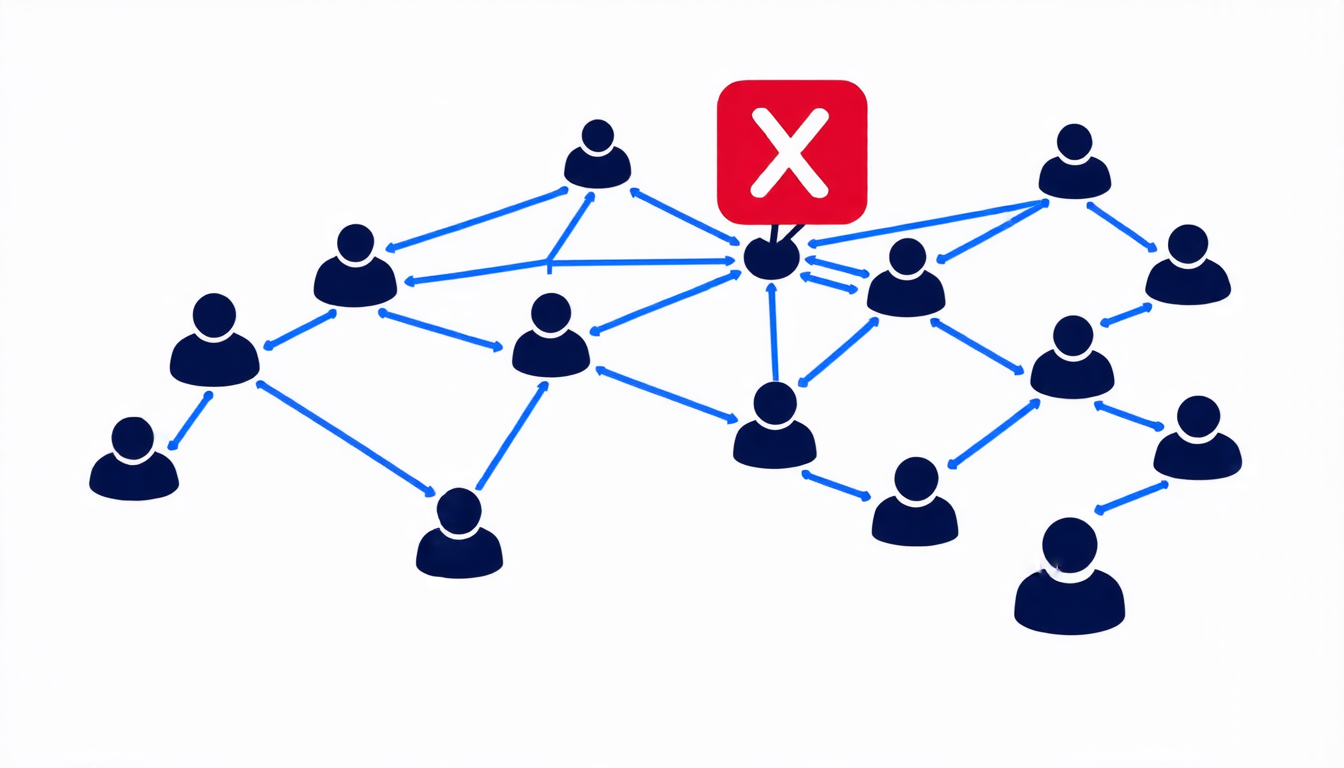
Now, a team of researchers has developed an innovative approach that integrates a reject option strategy within the framework of temporal graph neural networks (TGNs). This allows the model to strategically abstain from making predictions when the uncertainty is high and confidence is low. By minimizing the risk of critical misclassification, the system can improve its overall performance and reliability.
The key innovation lies in the introduction of a coverage-based abstention prediction model. This model estimates the probability that the true label will be included within a specified range of possible labels, allowing the model to predict with confidence only when it is highly likely to make an accurate classification. When uncertainty is high, the model can instead opt out of making a prediction, reducing the risk of misclassification.
The researchers tested their approach on four datasets for dynamic link prediction and two datasets for dynamic node classification, demonstrating significant improvements in both accuracy and reliability. For example, on the Wikipedia dataset, the coverage-based TGN achieved an average precision of 96.25% compared to 83.01% for a traditional TGN.
The team also explored the impact of handling class imbalance, a common problem in many real-world datasets where one class is significantly overrepresented. By incorporating techniques to weight minority classes more heavily, they were able to improve performance even further, achieving average precisions of up to 97.87%.
This work has significant implications for applications such as fraud detection, disease prediction, and social network analysis, where the stakes are high and accuracy is crucial. By developing more reliable and robust predictive models, researchers can help mitigate the risks associated with misclassification and make a meaningful impact on real-world problems.
The authors’ approach offers a promising new direction for research in dynamic graph learning, highlighting the potential benefits of integrating abstention strategies into TGNs. As the field continues to evolve, it will be exciting to see how this innovation is built upon and applied to tackle some of the most pressing challenges facing our world today.
Cite this article: “Strategic Abstention in Temporal Graph Neural Networks Enhances Predictive Reliability”, The Science Archive, 2025.
Machine Learning, Dynamic Graphs, Graph Neural Networks, Temporal Graph Neural Networks, Abstention Strategy, Reject Option, Uncertainty Estimation, Coverage-Based Prediction, Class Imbalance, Predictive Modeling.





