

Monday 10 March 2025
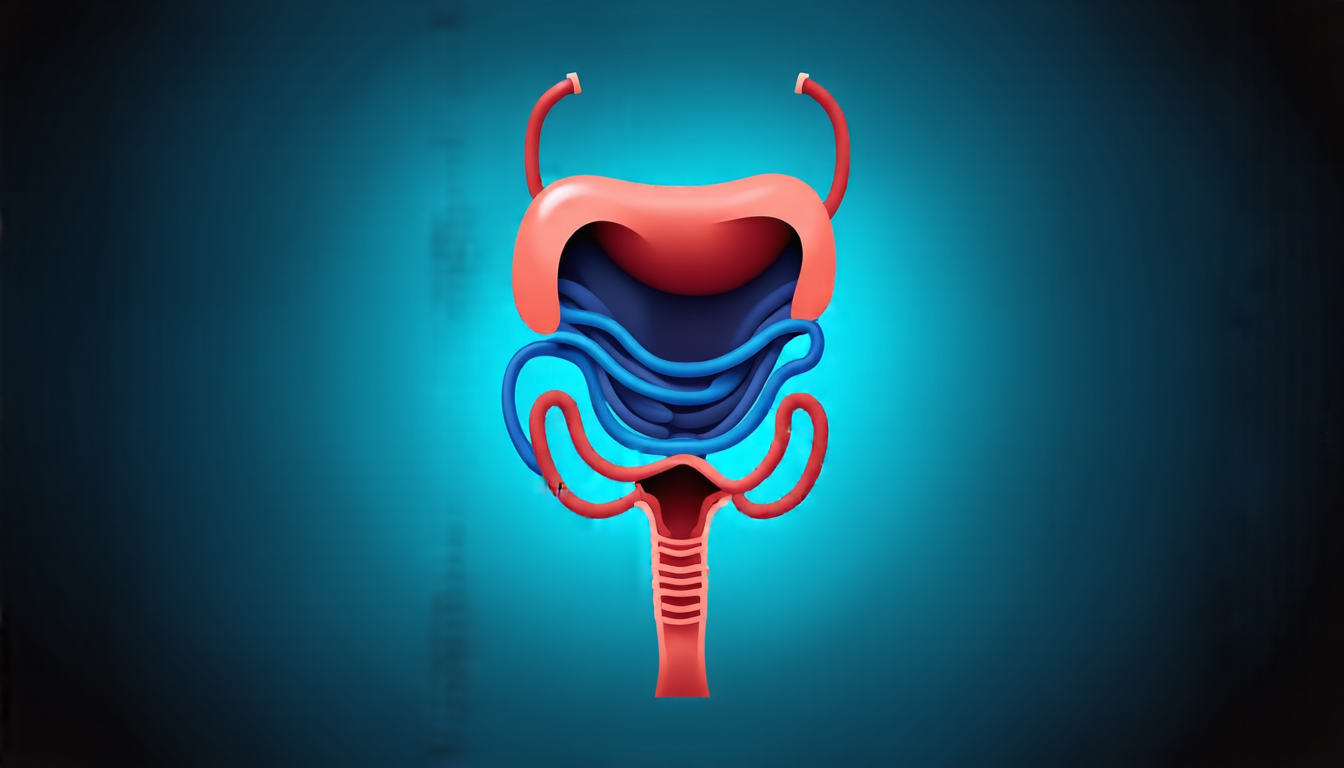
The bladder, a vital organ responsible for storing and releasing urine, is often overlooked until it fails us in some way. But new research has shed light on the intricate mechanics of this seemingly simple organ, revealing a complex dance between its walls, muscles, and folds.
Bladders come in all shapes and sizes, but their fundamental function remains the same: to store urine without causing discomfort or harm. To achieve this, they employ a clever system of folds and wrinkles that allow them to expand and contract with ease. These folds, known as rugae, are typically around 50-100 micrometers tall and play a crucial role in bladder compliance – its ability to stretch and fill without exerting too much pressure.
But what happens when these folds start to disappear? Researchers have discovered that the loss of rugae is a key indicator of bladder dysfunction, which can lead to conditions such as urinary tract infections, kidney damage, and even cancer. By studying the bladders of healthy rats, scientists were able to map the intricate network of folds and wrinkles, revealing a complex pattern of expansion and contraction.
The study also showed that the bladder’s ability to fill without exerting too much pressure is due in part to its unique geometry. The dome-shaped structure of the bladder allows it to expand with minimal increase in pressure, making it an efficient storage vessel for urine. However, this efficiency comes at a cost: the bladder’s walls are constantly under tension, which can lead to fatigue and damage over time.
The researchers used advanced imaging techniques, including micro-CT scans and multiphoton microscopy, to visualize the bladder’s internal structure in unprecedented detail. These methods allowed them to map the distribution of folds and wrinkles throughout the bladder, revealing a previously unknown pattern of expansion and contraction.
So what does this research mean for our understanding of bladder function? For one, it highlights the importance of rugae in maintaining bladder compliance. It also suggests that changes in the bladder’s geometry or the loss of rugae may be early indicators of bladder dysfunction. Ultimately, this knowledge could lead to new treatments for conditions such as urinary tract infections and kidney damage.
In a surprising twist, the study has also shed light on the bladder’s ability to adapt to changes in its environment. By studying the bladders of rats subjected to partial outlet obstruction – a common condition that can cause bladder dysfunction – researchers found that the bladder was able to compensate for the loss of rugae by increasing its compliance.
Cite this article: “Unlocking the Complex Mechanics of the Bladder”, The Science Archive, 2025.
Bladder Function, Urinary Tract Infections, Kidney Damage, Cancer, Rugae, Bladder Compliance, Expansion, Contraction, Geometry, Micro-Ct Scans.





