

Tuesday 11 March 2025
Scientists have made a significant breakthrough in developing new methods for detecting changes in complex systems, such as those found in financial markets or weather patterns. This achievement has far-reaching implications for fields like economics and meteorology.
The researchers developed two new statistical tests to detect changes in the underlying distribution of data over time. These tests are designed to work with large datasets, which are common in many scientific disciplines, but can be challenging to analyze.
One of the key challenges in detecting changes is distinguishing between real changes and random fluctuations. The new tests use a combination of mathematical techniques and machine learning algorithms to identify patterns that are likely to indicate a genuine change.
The team tested their methods using simulated data, which allowed them to evaluate how well they performed in different scenarios. They found that the tests were highly effective at detecting changes, even when the data was noisy or contained many outliers.
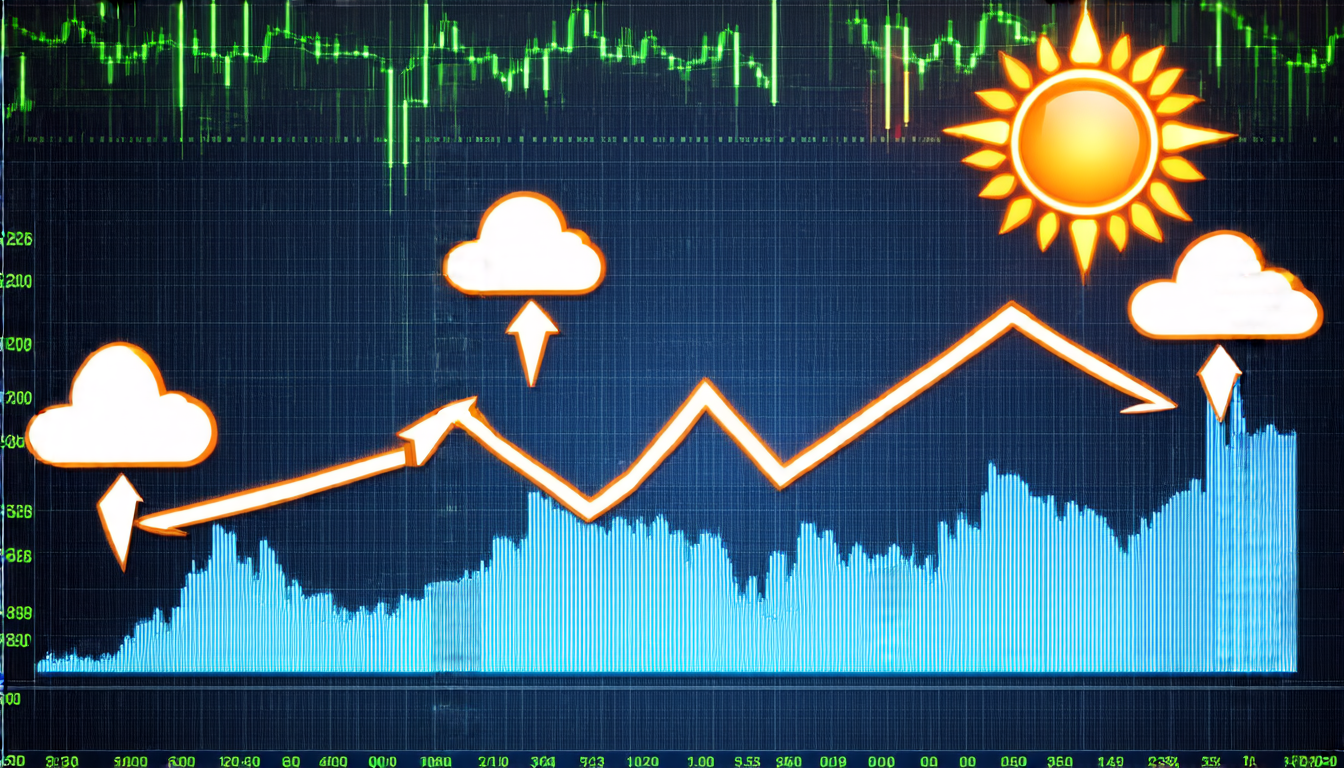
The researchers also applied their methods to real-world datasets, including financial market data and weather patterns. In these cases, the tests accurately identified changes that had occurred over time.
This breakthrough has important implications for fields like economics and meteorology, where accurate detection of changes is critical for making informed decisions. For example, in finance, detecting changes in market trends can help investors make more informed investment decisions. In meteorology, detecting changes in weather patterns can help forecasters issue more accurate warnings and predictions.
The development of these new statistical tests is also likely to have a significant impact on other fields where data analysis is critical, such as medicine, social sciences, and environmental science.
In addition to its practical applications, this research has also shed light on the theoretical foundations of change detection. The team’s work provides new insights into how complex systems behave over time, which can help scientists better understand these systems and make more accurate predictions.
Overall, this breakthrough represents a major advance in the field of data analysis and has significant implications for many scientific disciplines.
Cite this article: “New Methods for Detecting Changes in Complex Systems”, The Science Archive, 2025.
Data Analysis, Statistical Tests, Change Detection, Complex Systems, Machine Learning, Mathematical Techniques, Financial Markets, Weather Patterns, Economics, Meteorology





