

Tuesday 11 March 2025
A new approach to assessing semantic annotation activities has been proposed, one that leverages the power of formal concept analysis (FCA) to provide a more comprehensive understanding of how annotators are using domain-specific ontologies.
The research team behind this effort recognized that current methods for evaluating semantic annotations were often limited in their ability to capture the nuances of human behavior. For instance, traditional approaches might focus on simple metrics like accuracy or precision, but neglect to consider the context in which those annotations were made. By incorporating FCA into the assessment process, however, researchers can gain a more detailed understanding of how annotators are using ontologies, including the relationships between concepts and the ways in which they are combined.
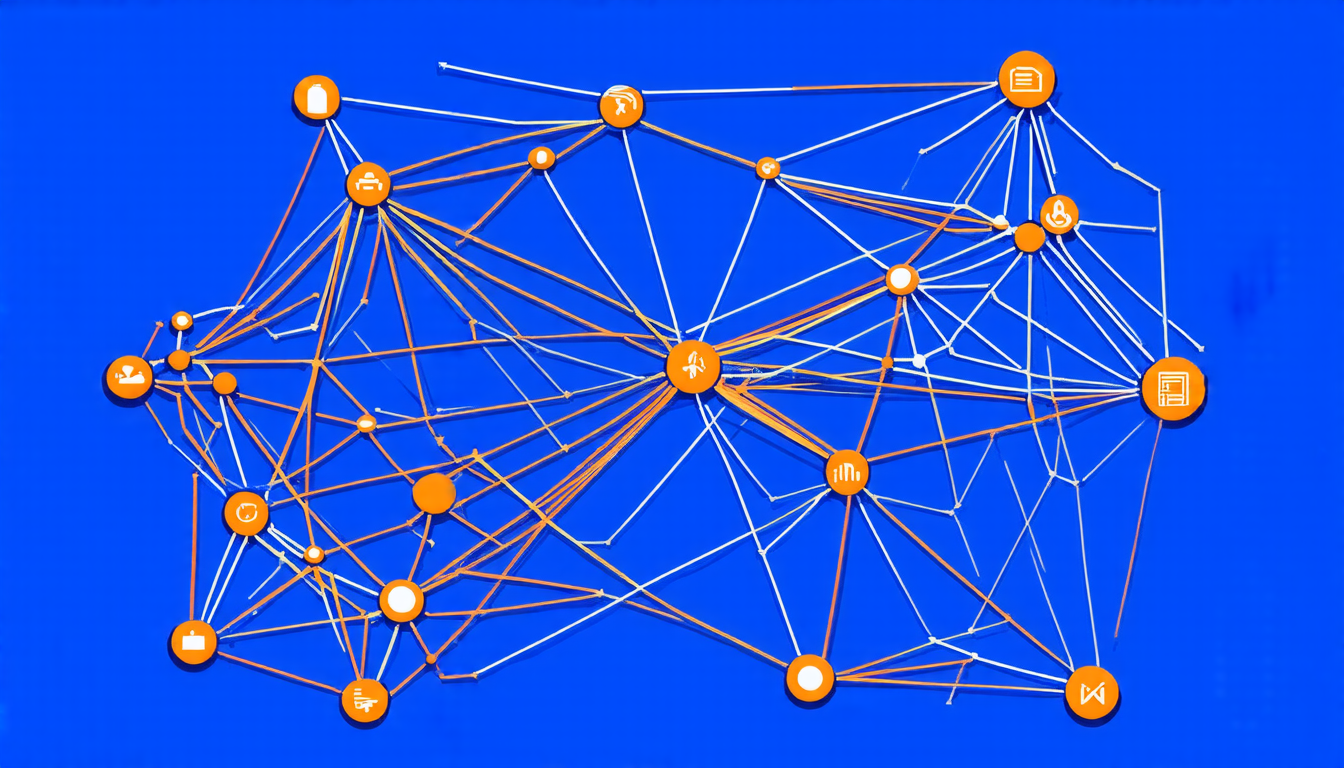
In this approach, FCA is used to create concept lattices that visualize the hierarchical structure of domain-specific knowledge. These lattices provide a rich source of information about how annotators are using ontologies, including the frequency with which certain concepts are combined and the relationships between different classes of entities. By analyzing these lattices, researchers can identify patterns and trends in annotation behavior that might not be immediately apparent through traditional means.
The benefits of this approach are numerous. For one, it allows researchers to identify areas where annotators may be struggling or misunderstanding key concepts, enabling targeted interventions to improve their performance. Additionally, the FCA-based assessment provides a more comprehensive understanding of how ontologies are being used in practice, which can inform the development of more effective annotation tools and workflows.
The approach is also flexible enough to accommodate different types of ontologies and annotation tasks, making it a valuable tool for researchers working in a wide range of domains. Moreover, the use of FCA reduces the need for manual analysis and interpretation, freeing up researchers to focus on higher-level tasks like developing new annotation tools or integrating semantic annotations into larger systems.
One potential limitation of this approach is its reliance on high-quality ontologies that accurately capture the domain-specific knowledge being annotated. If these ontologies are incomplete or inaccurate, the resulting concept lattices may not provide a reliable picture of annotation behavior.
Despite this caveat, the use of FCA in semantic annotation assessment has the potential to revolutionize the way researchers evaluate and improve their annotation tools and workflows. By providing a more nuanced understanding of how annotators are using domain-specific knowledge, FCA-based assessments can help ensure that annotations are accurate, consistent, and effective – ultimately leading to better decision-making and more informed conclusions.
Cite this article: “Formal Concept Analysis Revolutionizes Semantic Annotation Assessment”, The Science Archive, 2025.
Semantic Annotation, Formal Concept Analysis, Ontology, Annotation Assessment, Domain-Specific Knowledge, Concept Lattice, Annotation Behavior, Annotation Tools, Workflow Improvement, Decision-Making.





