

Wednesday 12 March 2025
Researchers have made a significant breakthrough in understanding how time series data can be used to identify causal relationships between events. Time series analysis is a powerful tool for analyzing data that varies over time, such as stock prices, weather patterns, or traffic flow. However, it has long been limited by its inability to determine whether one event causes another.
The new study uses a technique called structural equation modeling (SEM) to identify causal relationships in time series data. SEM is a statistical method that allows researchers to model complex systems and relationships between variables. In the context of time series analysis, SEM can be used to identify which events are causing others, rather than just describing their patterns.
The study uses a type of time series called a VARMA process (Vector AutoRegressive Moving Average Process) to demonstrate its technique. A VARMA process is a statistical model that describes how a set of time series variables change over time. The researchers used this model to generate simulated data, which they then analyzed using their new SEM-based method.
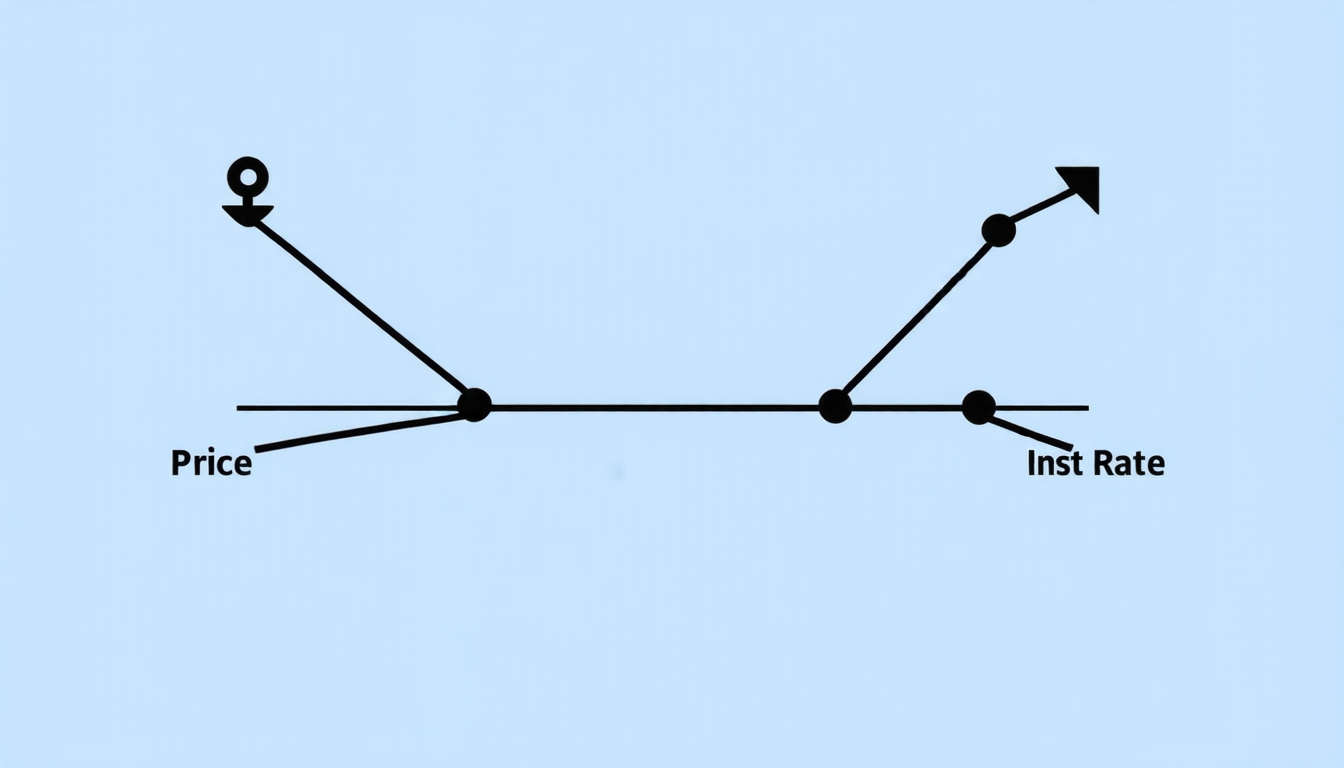
The results show that the SEM-based method can accurately identify causal relationships in time series data. For example, if one variable (such as stock prices) is causing another variable (such as interest rates), the method can detect this relationship and provide a statistical estimate of its strength.
This breakthrough has significant implications for many fields, including economics, finance, and epidemiology. For instance, in economics, understanding the causal relationships between variables such as GDP, inflation, and unemployment could help policymakers make more informed decisions about economic policy. In finance, identifying the causes of stock price fluctuations could help investors make better investment decisions.
The study also highlights the potential for using time series analysis to identify causal relationships in complex systems, where traditional methods may struggle. For example, understanding the causal relationships between variables such as weather patterns, soil moisture, and crop yields could help farmers optimize their crops and reduce the risk of droughts or floods.
One of the key advantages of this new method is its ability to handle large datasets and complex systems. Traditional SEM methods can be computationally intensive and may not scale well with large datasets. However, the researchers have developed a new algorithm that can efficiently analyze large datasets and identify causal relationships in complex systems.
In addition to its practical applications, this breakthrough also has significant theoretical implications for our understanding of causality. The study challenges traditional notions of causality, which are often based on experimental design or observational studies.
Cite this article: “Unlocking Causal Relationships in Time Series Data”, The Science Archive, 2025.
Time Series Analysis, Causal Relationships, Structural Equation Modeling, Sem, Varma Process, Statistical Method, Data Analysis, Economics, Finance, Epidemiology, Causality.





