

Friday 14 March 2025
In a significant breakthrough, researchers have developed a novel framework for generating synthetic medical images that can help doctors diagnose and treat various diseases more accurately. The new approach, called Fully Guided Schrödinger Bridge (FGSB), uses a unique combination of neural networks to produce high-quality images that closely resemble real-world scans.
The FGSB framework is designed to overcome the limitations of traditional image synthesis methods, which often struggle to preserve important features and details in generated images. In medical imaging, these limitations can have serious consequences, as inaccurate diagnoses or missed diagnoses can lead to delayed treatment and poor patient outcomes.
To address this challenge, researchers developed a novel neural network architecture that incorporates two key components: a generator network and a discriminator network. The generator network is responsible for producing synthetic images, while the discriminator network evaluates the generated images and provides feedback to the generator.
The FGSB framework also employs a unique loss function that encourages the generator to produce images that are not only visually plausible but also contain important medical features. This is achieved by using a combination of reconstruction loss, adversarial loss, and mutual information loss.
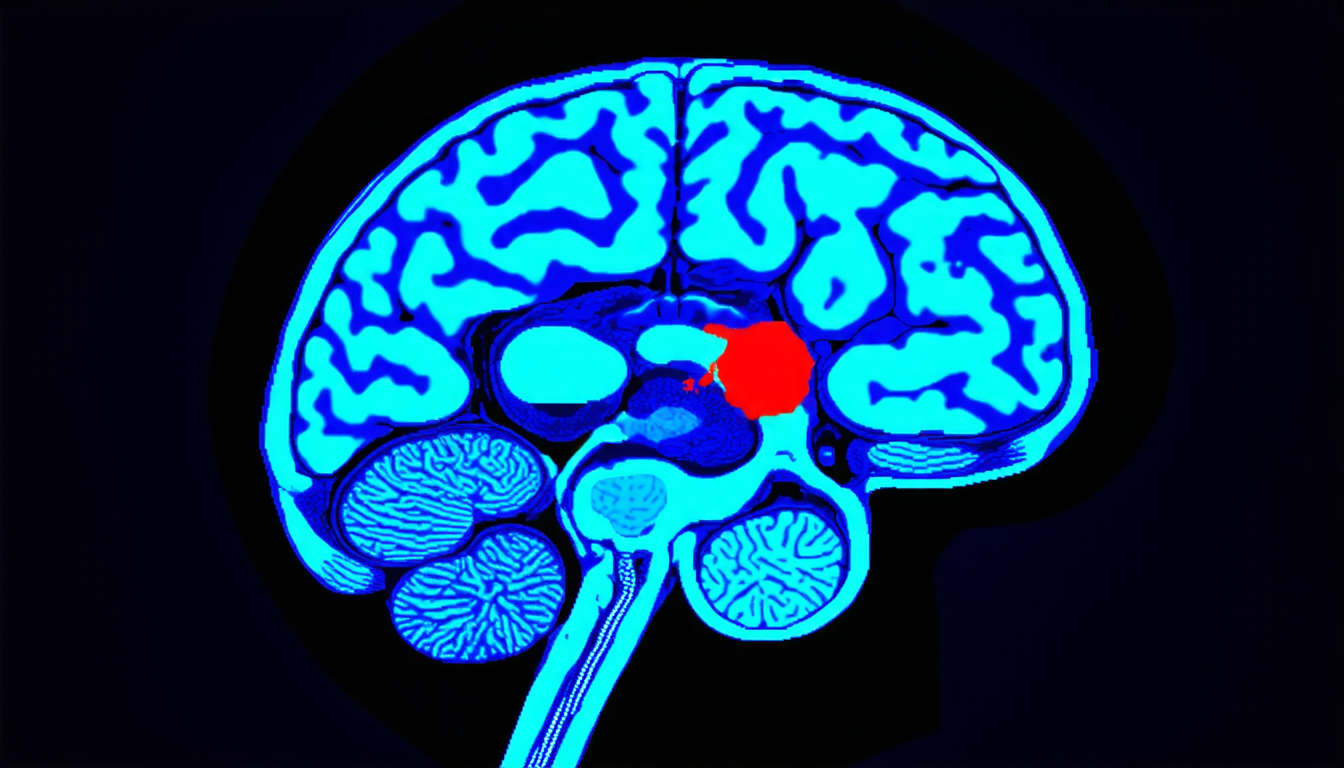
In experiments, the FGSB framework was tested on several datasets of brain MRI scans, including healthy controls and patients with various neurological conditions. The results showed that the generated images were highly accurate and contained important medical features, such as tumors and lesions.
The potential applications of this technology are vast, from improving diagnostic accuracy to developing personalized treatment plans for patients. For example, synthetic images could be used to simulate different treatment scenarios, allowing doctors to better understand the effects of various therapies on patient outcomes.
While there are still challenges to overcome before this technology is widely adopted in clinical practice, the FGSB framework represents a significant step forward in medical image synthesis. As researchers continue to refine and improve this approach, it has the potential to revolutionize the field of medical imaging and improve patient care around the world.
The FGSB framework also opens up new possibilities for data-efficient training of neural networks, which is essential for deploying AI models in real-world clinical settings. By leveraging synthetic images as a supplement to limited real-world data, doctors can train more accurate AI models that are better equipped to handle the complexities and uncertainties of medical imaging.
Overall, the FGSB framework is an exciting development in medical image synthesis, with far-reaching implications for improving patient care and advancing our understanding of the human body.
Cite this article: “Breakthrough Framework Generates Accurate Synthetic Medical Images”, The Science Archive, 2025.
Medical Image Synthesis, Neural Networks, Brain Mri Scans, Synthetic Images, Medical Features, Adversarial Loss, Mutual Information Loss, Reconstruction Loss, Diagnostic Accuracy, Patient Care





