
Friday 14 March 2025
The Chinese economy has been on a remarkable journey since its opening up in the late 1970s. From a planned economy to a market-oriented one, China has transformed itself into the world’s second-largest economy. But what drives this growth? In a recent paper, researchers have shed light on the crucial role of industry structure upgrading and new quality production forces.
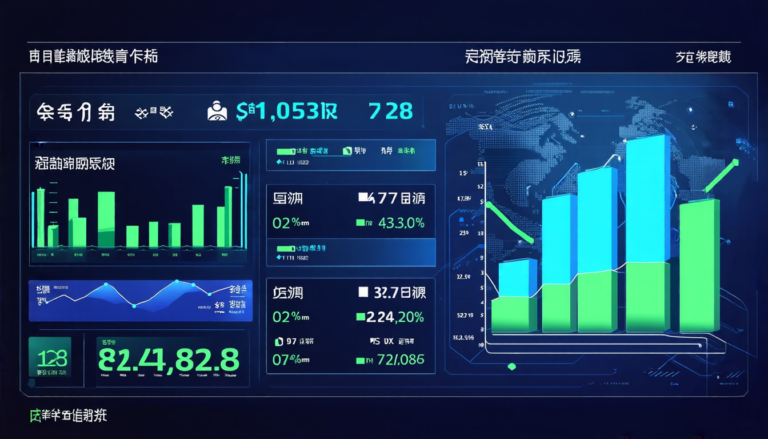
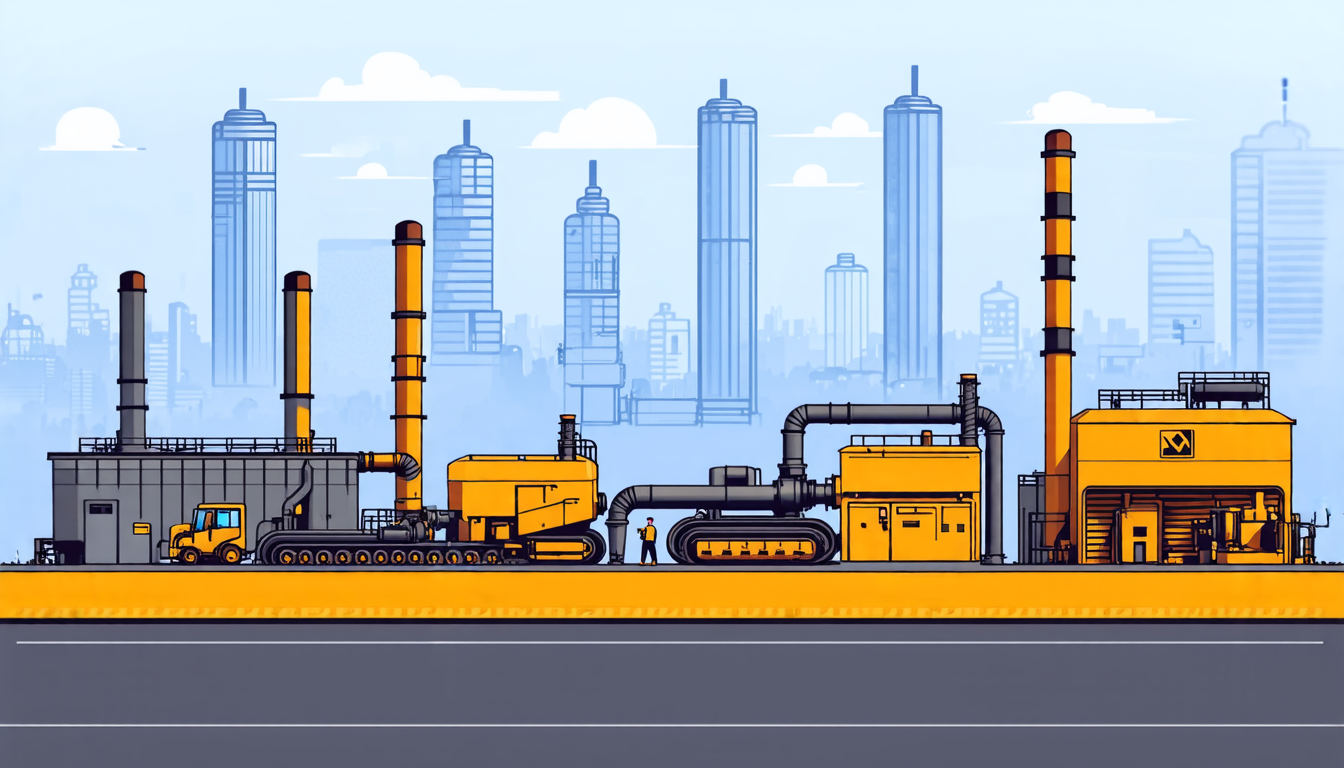
The study finds that the Chinese government’s efforts to upgrade its industrial structure have been instrumental in driving economic growth. By shifting from low-cost labor-intensive industries to higher-tech sectors, China has successfully transitioned into a more innovative economy. This is evident from the significant increase in high-tech exports and the decline of low-tech ones.
Moreover, the researchers discovered that new quality production forces have played a vital role in this transformation. These forces refer to the rapid advancements in technologies such as artificial intelligence, blockchain, and biotechnology. As these technologies become more prevalent, they are creating new opportunities for innovation and entrepreneurship, driving economic growth and job creation.
One of the key findings of the study is that industry structure upgrading has a positive impact on economic growth, particularly when combined with new quality production forces. This is because upgraded industries tend to have higher productivity levels, which in turn lead to increased competitiveness and exports.
The researchers also explored the regional differences in China’s industrial structure upgrading process. They found that coastal regions such as Shanghai and Shenzhen have been more successful in this regard due to their favorable business environments and access to global markets. In contrast, inland provinces like Henan and Anhui have faced greater challenges in upgrading their industries.
The study’s findings have significant implications for China’s economic development strategy. It suggests that the government should focus on promoting high-tech industries and new quality production forces to drive growth. Additionally, regional policies should be tailored to address the unique needs of different provinces, such as providing training programs and infrastructure support to help inland regions catch up.
Overall, this research provides valuable insights into China’s economic transformation and offers practical recommendations for policymakers seeking to promote sustainable growth. By upgrading its industrial structure and harnessing new quality production forces, China is well-positioned to maintain its position as a global economic powerhouse.
Cite this article: “Chinas Economic Transformation: The Role of Industry Structure Upgrading and New Quality Production Forces”, The Science Archive, 2025.
Economy, China, Industrial Structure, Upgrading, New Quality Production Forces, Artificial Intelligence, Blockchain, Biotechnology, Economic Growth, Innovation