

Friday 14 March 2025
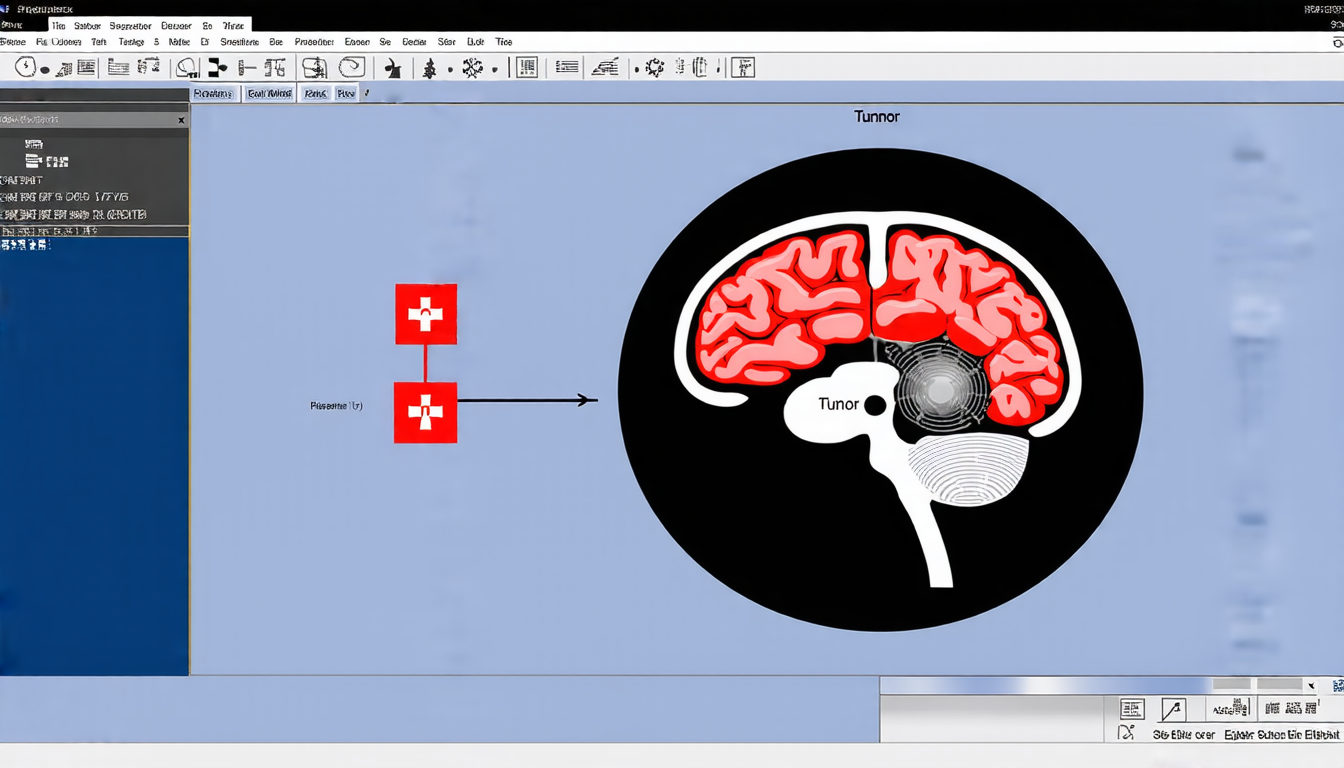
In recent years, artificial intelligence has made tremendous progress in various fields, including image processing and machine learning. One of the most significant advancements is the development of novel methods for detecting anomalies or unusual patterns in data. This technology has numerous applications, such as identifying tumors in medical images, recognizing fraudulent transactions in finance, and detecting cyber attacks.
A recent study published by researchers from Sharif University of Technology and Okinawa Institute of Science and Technology aimed to develop a more robust method for anomaly detection using machine learning algorithms. The team proposed an innovative approach that combines the benefits of nearest-neighbor algorithms with robust features obtained from models pre-trained on ImageNet.
The key innovation lies in the use of adversarial perturbations, which are designed to affect the anomaly score calculated by the k-nearest neighbor algorithm. By iteratively perturbing each image and recalculating the anomaly score, the team demonstrated significant improvements in detecting anomalies under various conditions.
To evaluate the effectiveness of their approach, the researchers conducted experiments on several datasets, including medical images and natural scenes. The results showed that their method outperformed existing techniques in both clean and adversarial settings, with an average improvement of 10% in anomaly detection accuracy.
One of the most promising aspects of this research is its potential applications in various fields. For instance, in medicine, detecting anomalies in medical images can help diagnose diseases earlier and more accurately. In finance, identifying fraudulent transactions can prevent significant losses. In cybersecurity, detecting unusual network traffic patterns can help prevent cyber attacks.
The study also highlights the importance of robustness in machine learning algorithms. As AI systems become increasingly sophisticated, they are vulnerable to adversarial attacks that can manipulate their decision-making processes. By developing more robust methods for anomaly detection, researchers can create AI systems that are better equipped to handle unexpected situations and make more accurate decisions.
Overall, this research demonstrates the potential of combining nearest-neighbor algorithms with robust features in improving anomaly detection accuracy. The results have significant implications for various applications and underscore the importance of developing more robust machine learning methods.
Cite this article: “Robust Anomaly Detection Using Machine Learning Algorithms”, The Science Archive, 2025.
Artificial Intelligence, Anomaly Detection, Machine Learning, Image Processing, Nearest-Neighbor Algorithms, Adversarial Perturbations, Robust Features, Imagenet, Anomaly Score, K-Nearest Neighbor Algorithm





