
Friday 14 March 2025
For decades, surgeons have struggled to perform a delicate and intricate procedure called deep anterior lamellar keratoplasty, or DALK. This surgery aims to restore vision in patients with damaged corneas by replacing only the damaged layers of tissue, rather than the entire cornea. However, the process is fraught with challenges, particularly when it comes to accurately identifying the boundaries between different layers of tissue.
A new approach has been developed that combines advanced computer algorithms with a technique called Kalman filtering to improve the accuracy and reliability of DALK surgery. This method uses optical coherence tomography (OCT) imaging to capture high-resolution images of the cornea, which are then analyzed by a deep learning network to identify the boundaries between different layers.
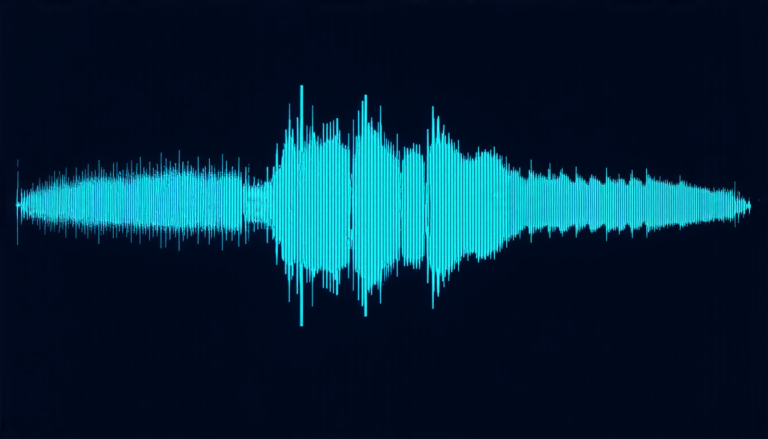
The problem is that OCT images can be noisy and prone to artifacts, making it difficult for even the most sophisticated algorithms to accurately identify the boundaries. This is where the Kalman filter comes in. By applying statistical techniques to the data, the filter helps to smooth out noise and errors, producing a more accurate picture of the cornea’s layers.
The new approach was tested on a series of ex vivo (outside the body) corneas, which were subjected to simulated DALK surgery using an OCT-guided robotic system. The results were impressive: the Kalman-filtered algorithm produced significantly more accurate boundaries than traditional deep learning methods, and was able to handle even the most challenging cases with ease.
One key advantage of this approach is that it can be used in real-time during surgery, allowing surgeons to make precise adjustments as needed. This could potentially lead to better outcomes for patients and reduced complications.
The development of this new technology has significant implications for the field of ophthalmology. It could enable surgeons to perform DALK surgery with greater accuracy and precision, leading to improved vision and quality of life for patients.
In addition, the use of Kalman filtering in OCT-guided surgery could have applications beyond ophthalmology. The technique could be used in a wide range of medical procedures where accurate identification of boundaries is critical, such as neurosurgery or orthopedic surgery.
The future of DALK surgery looks brighter than ever, thanks to this innovative new approach. With its potential to improve accuracy and reduce complications, it’s an exciting development that could revolutionize the way surgeons perform complex procedures.
Cite this article: “Accurate Boundary Identification in DALK Surgery Using Kalman Filtering”, The Science Archive, 2025.
Deep Anterior Lamellar Keratoplasty, Dalk Surgery, Optical Coherence Tomography, Oct Imaging, Kalman Filtering, Computer Algorithms, Deep Learning Network, Cornea Layers, Ex Vivo Testing, Real-Time Surgery