

Saturday 15 March 2025
Large language models have been making waves in the world of artificial intelligence, and their potential applications are vast. These models can process vast amounts of data, learn patterns, and generate text that is often indistinguishable from human writing.
One area where large language models are being put to good use is supply chain management. Supply chains are complex networks of people, organizations, and resources working together to create products or services. They involve many moving parts, including sourcing raw materials, manufacturing goods, storing inventory, and shipping them to customers.
Traditionally, managing a supply chain has been a labor-intensive process that relies on manual data entry, spreadsheets, and phone calls. But with the help of large language models, this process is becoming more efficient and automated.
These models can analyze vast amounts of data in real-time, identifying patterns and trends that humans might miss. They can also generate reports and forecasts, helping supply chain managers make informed decisions about inventory levels, production schedules, and logistics.
One example of how large language models are being used in supply chain management is demand forecasting. This involves predicting how many products will be sold based on historical data, market trends, and other factors. Large language models can analyze vast amounts of data to identify patterns and make accurate predictions, which can help companies avoid stockouts or overstocking.
Another example is inventory optimization. This involves determining the right amount of inventory to hold in storage, taking into account factors such as production capacity, shipping times, and demand. Large language models can analyze these factors and provide recommendations on how much inventory to hold, helping companies reduce waste and save money.
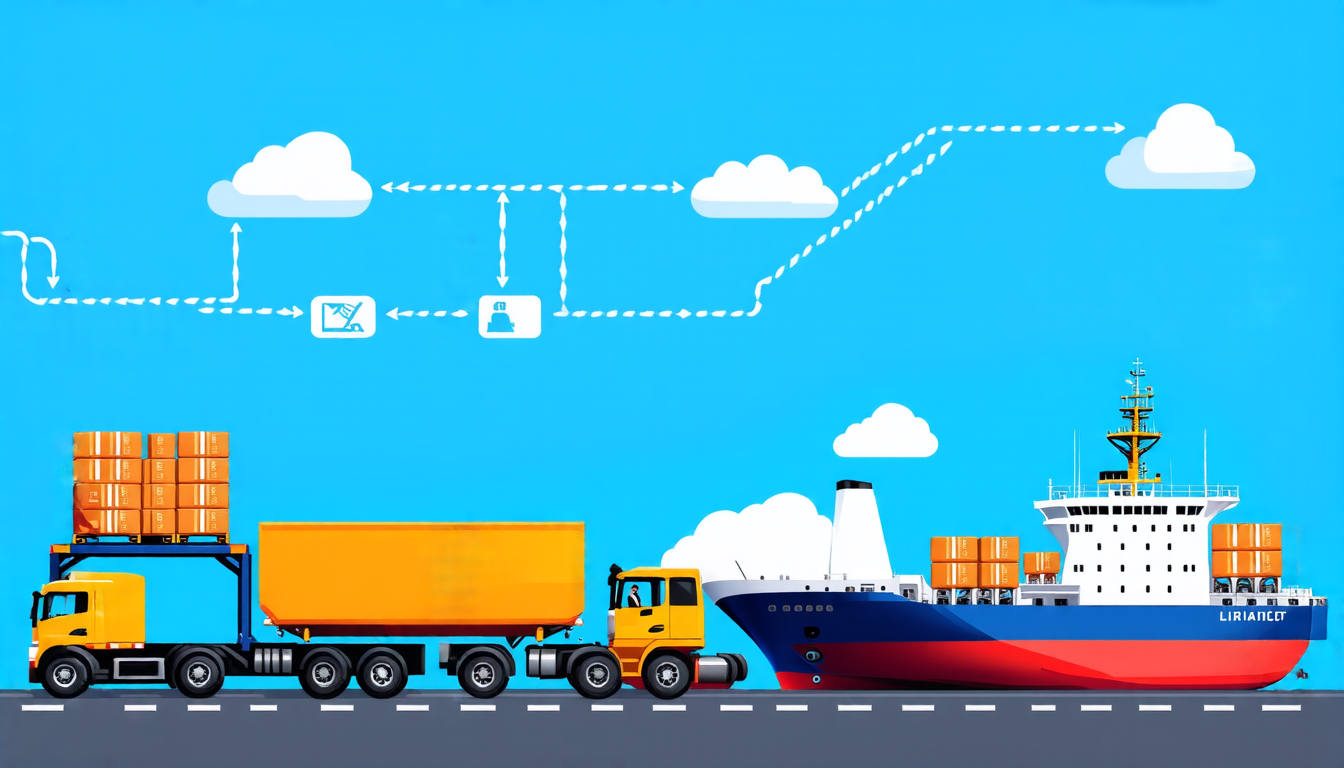
Large language models are also being used to optimize logistics and transportation. This involves determining the most efficient routes for trucks and ships, taking into account traffic patterns, weather conditions, and other factors. These models can analyze vast amounts of data in real-time, providing recommendations that help companies reduce costs and improve delivery times.
In addition to these specific applications, large language models are also being used more broadly throughout supply chain management. They are helping companies automate tasks such as order processing, invoicing, and customer service. They are also enabling real-time communication between different parts of the supply chain, improving collaboration and reducing errors.
Overall, the use of large language models in supply chain management is transforming the way businesses operate. It’s allowing them to be more efficient, more accurate, and more responsive to changing market conditions.
Cite this article: “Revolutionizing Supply Chain Management with AI”, The Science Archive, 2025.
Large Language Models, Supply Chain Management, Artificial Intelligence, Data Analysis, Pattern Recognition, Demand Forecasting, Inventory Optimization, Logistics, Transportation, Automation





