

Saturday 15 March 2025
Stuttering affects millions of people worldwide, making everyday conversations a daunting task. Despite its prevalence, there’s been a lack of diverse and high-quality datasets for researchers to develop technology that can better understand and assist those who stutter.
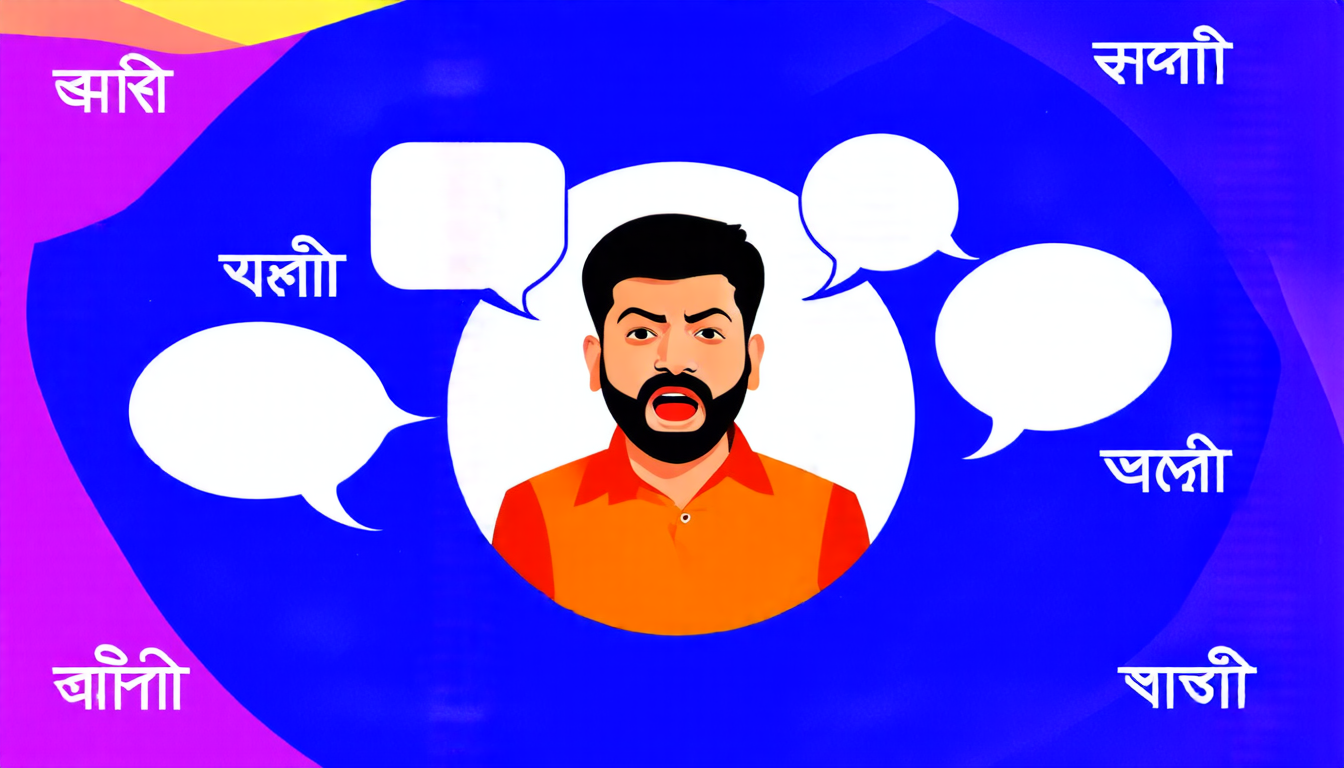
A team of scientists has addressed this issue by creating the Boli dataset, a collection of read and spontaneous speech recordings from individuals who stutter in multiple Indian languages. The dataset is unique in its focus on South Asian languages and cultures, making it an invaluable resource for researchers working on speech recognition and stuttering detection.
The Boli dataset includes audio files, metadata, and manual annotations of five types of stutters: prolongations, blocks, sound repetitions, word repetitions, and interjections. The recordings range from 4 to 7 minutes each, allowing researchers to study the nuances of stuttering in different contexts.
One of the key features of the Boli dataset is its inclusion of spontaneous speech, which is often overlooked in favor of read speech. Spontaneous speech can provide valuable insights into how people who stutter communicate naturally, and how technology can better support them.
The team used machine learning models to analyze the audio files and identify the different types of stutters. They found that using a combination of traditional machine learning algorithms and deep learning techniques resulted in the most accurate detection of stutters.
In addition to its technical significance, the Boli dataset has important implications for people who stutter. By providing more diverse and high-quality data, researchers can develop technology that is better equipped to understand and assist those who stutter.
The team’s work also highlights the importance of considering cultural and linguistic diversity in research on speech recognition and stuttering detection. The Boli dataset demonstrates that by incorporating diverse languages and cultures into their work, researchers can create more effective and inclusive solutions.
In the future, the Boli dataset has the potential to be used in a variety of applications, from developing more accurate speech recognition systems to creating therapy tools for people who stutter. Its impact could extend beyond the research community, ultimately improving the lives of millions of people around the world.
Cite this article: “Unlocking the Power of Diverse Data: The Boli Dataset Revolutionizes Stuttering Research”, The Science Archive, 2025.
Stuttering, Dataset, Speech Recognition, Machine Learning, Deep Learning, South Asian Languages, Spontaneous Speech, Read Speech, Stutter Detection, Linguistics





