

Sunday 16 March 2025
The quest for high-quality data has long been a challenge in the field of personal data collection. Researchers have traditionally focused on collecting objective sensor data, often neglecting the importance of subjective human input. This limited approach can lead to incomplete and inaccurate insights into human behavior.
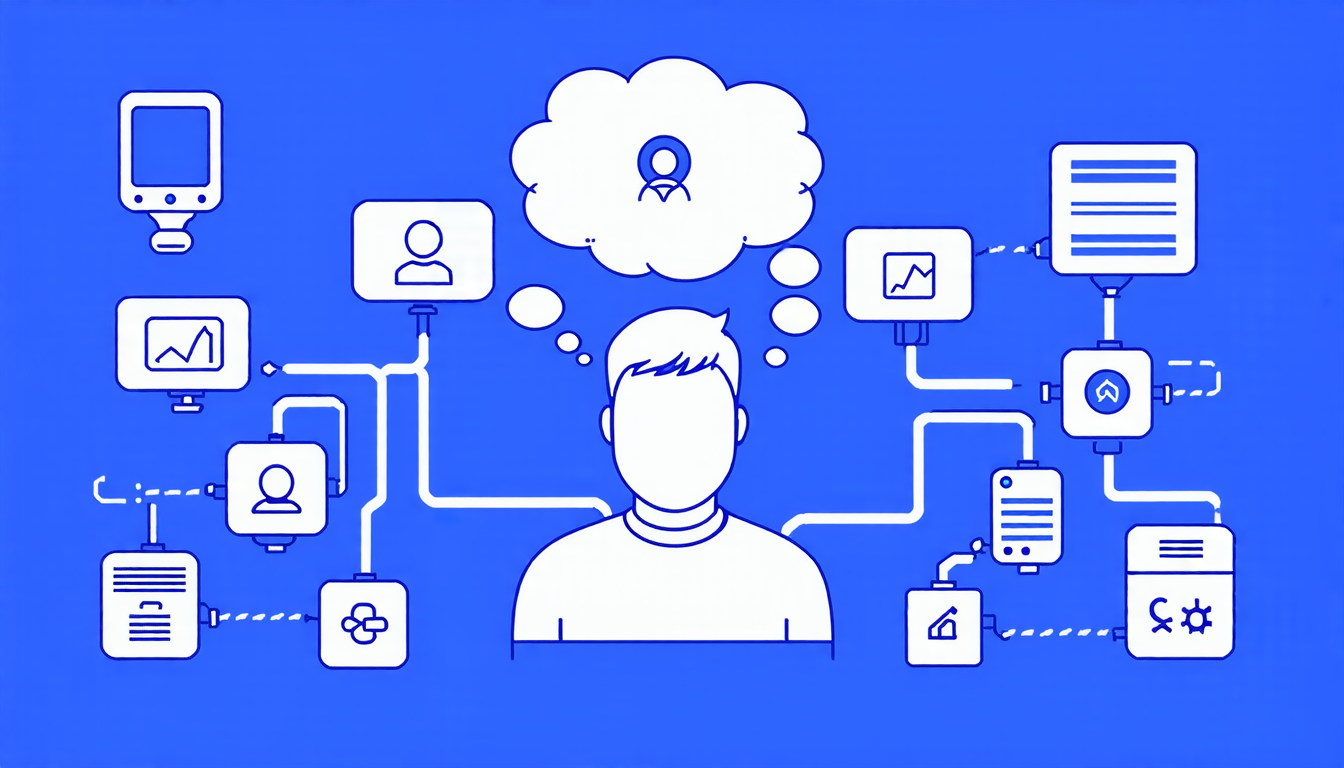
A team of experts has now developed a methodology and platform designed specifically for collecting a combination of large-scale sensor data and qualitative human feedback. Their innovative approach aims to put researchers in control of the experiment, enabling them to collect richer, more accurate data.
The platform builds upon an existing data collection app called iLog, which has been used in large-scale experiments worldwide. The new features include a time-wise representation of situational context, explicit temporal context, and a calendar-based dashboard for real-time monitoring of data collection. Additionally, the platform allows for runtime revision of the data collection plan.
The team’s solution is centered around addressing the limitations of current methods by incorporating human feedback into the data collection process. This not only improves the quality of the data but also enables researchers to gain a deeper understanding of human behavior and decision-making processes.
In recent years, digital devices have become an integral part of daily life, generating vast amounts of personal data. From smartphones to medical devices, sensors collect data about individuals’ activities, preferences, and interactions. This data, often referred to as big data, holds immense potential for identifying patterns and trends. However, it lacks the contextual depth needed to fully comprehend human behavior.
The new platform addresses this issue by combining sensor data with qualitative feedback from users. By incorporating human input into the data collection process, researchers can gain a more comprehensive understanding of human behavior, including subjective experiences and emotions.
The team’s approach has significant implications for various fields, such as psychology, sociology, and healthcare. It enables researchers to design more effective interventions, develop personalized treatment plans, and improve overall well-being. Furthermore, the platform’s flexibility and adaptability make it an attractive solution for a wide range of applications.
In the quest for high-quality data, this innovative methodology and platform offer a significant step forward. By incorporating human feedback into the data collection process, researchers can collect richer, more accurate insights into human behavior. The potential benefits are vast, ranging from improved mental health treatment to more effective social interventions.
Cite this article: “Enhancing Data Quality through Human Feedback”, The Science Archive, 2025.
Data Collection, Human Behavior, Sensor Data, Personal Data, Research Methodology, Qualitative Feedback, Big Data, Psychology, Sociology, Healthcare, Intervention, Treatment Plans, Well-Being





