

Wednesday 19 March 2025
Medical imaging has long been a crucial tool for diagnosing and treating diseases, but it’s also plagued by limitations. One major issue is the need for dense X-ray measurements to produce high-quality images, which can be time-consuming and expose patients to more radiation than necessary.
Researchers have been working on ways to reduce the number of measurements needed while still producing accurate images. A new paper presents a promising approach that uses block-matching denoising algorithms to reconstruct medical images from sparse data.
The key innovation is the use of multi-slice fusion, which combines multiple 2D denoising algorithms to create a single 3D prior model. This allows the algorithm to capture complex image features more effectively than traditional methods, while also reducing computational complexity.
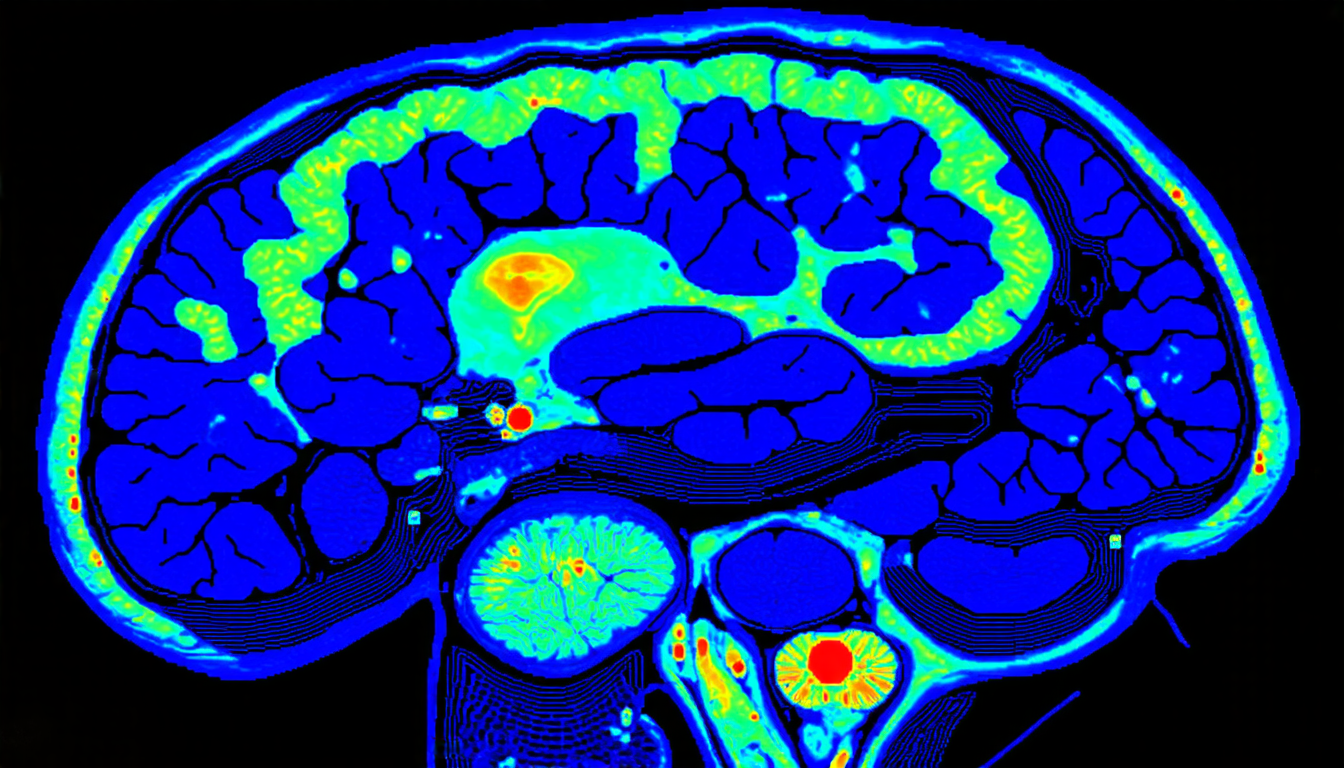
The researchers tested their approach on two real-world medical imaging datasets: a brain scan and a thoracic scan. In both cases, they were able to produce high-quality images from sparse data that outperformed existing methods.
One of the most impressive aspects of this work is its ability to remove streak artifacts, which are common in low-dose CT scans. These artifacts can make it difficult for doctors to interpret images accurately, but the new algorithm is able to suppress them effectively.
The researchers also experimented with different denoising strengths and found that the optimal value varied depending on the image and the measurement density. This flexibility could be useful in real-world clinical settings, where different patients may require different levels of denoising.
While this work is still in its early stages, it has significant implications for medical imaging. By reducing the number of X-ray measurements needed, doctors can reduce patient exposure to radiation and make imaging more efficient. The ability to produce high-quality images from sparse data could also enable new applications, such as real-time imaging during surgery.
The next step will be to test this algorithm on a wider range of datasets and to integrate it into clinical practice. However, the results so far are promising, and it’s clear that block-matching denoising is an important area of research for medical imaging.
In addition to its technical merits, this work also highlights the importance of collaboration between computer scientists and medical professionals. By working together, researchers can develop innovative solutions that have a real impact on patient care.
As medical imaging continues to evolve, it’s likely that we’ll see more developments like this one. But for now, it’s exciting to think about the possibilities that block-matching denoising could bring to the field.
Cite this article: “Accelerating Medical Imaging with Block-Matching Denoising Algorithms”, The Science Archive, 2025.
Medical Imaging, Block-Matching Denoising, X-Ray Measurements, Radiation Exposure, Image Reconstruction, Sparse Data, Multi-Slice Fusion, Streak Artifacts, Ct Scans, Computer Science





