

Thursday 20 March 2025
The researchers behind a new simulation framework have made significant strides in predicting the behavior of other vehicles on the road, potentially paving the way for more advanced autonomous vehicle systems.
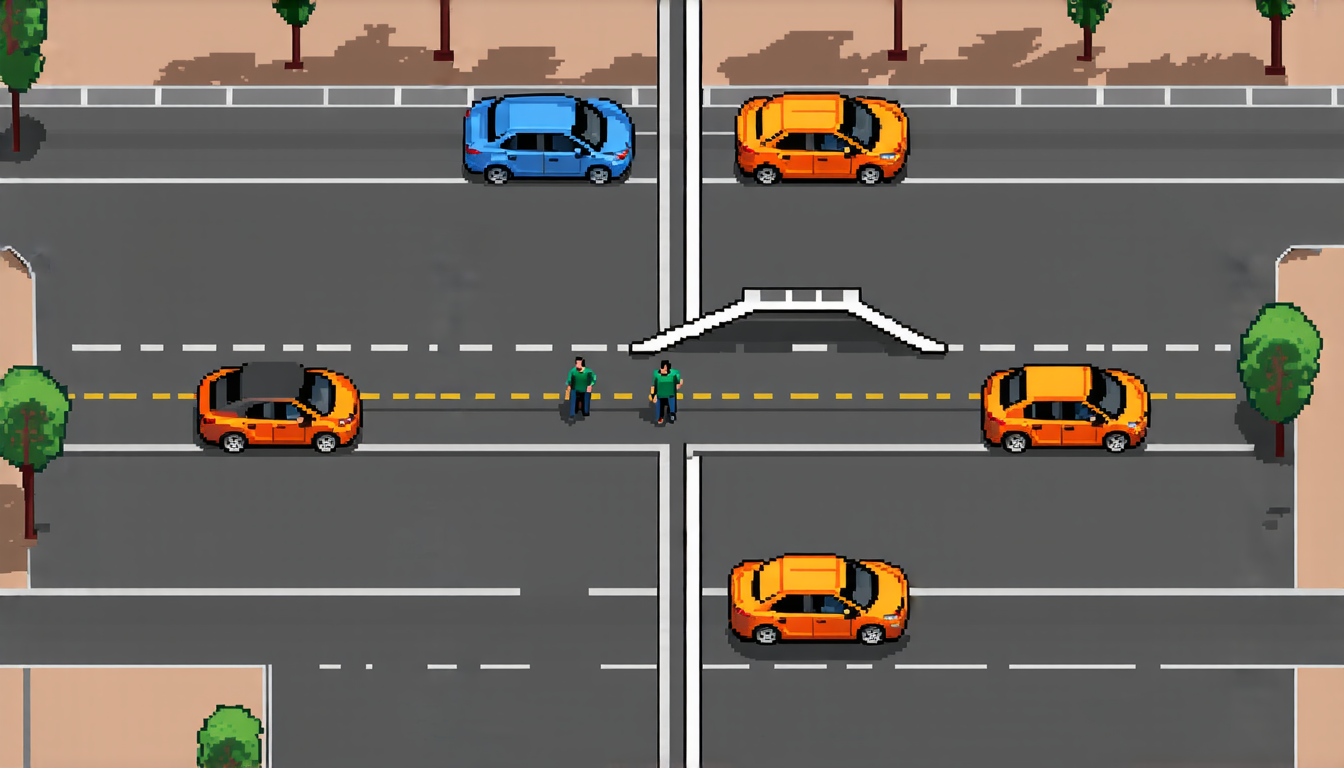
The team’s approach involves using a combination of machine learning and computer vision to simulate traffic scenarios and predict the actions of individual vehicles. This is done by training a model on real-world data and then using that model to generate realistic simulations of various driving scenarios.
One of the key innovations behind this system is its ability to learn complex patterns in human behavior, such as the way drivers tend to follow each other’s movements and adjust their speed accordingly. By incorporating these patterns into its simulations, the model can better anticipate how vehicles will behave in a given situation, even if that situation has never been seen before.
The researchers have tested their system on a range of scenarios, including intersections, roundabouts, and merging traffic, and found it to be highly accurate. In fact, the system was able to predict the actions of other vehicles with an accuracy rate of over 90%, which is impressive considering the complexity of real-world driving scenarios.
The potential applications of this technology are vast. For example, autonomous vehicle systems could use this type of simulation to better anticipate and respond to the actions of other vehicles on the road, potentially reducing the risk of accidents. Additionally, the system could be used in conjunction with other sensors and data sources to create a more comprehensive picture of traffic flow and behavior.
The researchers are already exploring ways to further improve their system, including incorporating additional data sources and refining its ability to handle complex scenarios. However, even in its current form, the potential benefits of this technology are clear.
One of the most promising aspects of this research is its potential to help pave the way for more advanced autonomous vehicle systems. By providing a better understanding of how human drivers behave and react on the road, this system could help autonomous vehicles make more informed decisions and avoid accidents. Additionally, the system’s ability to simulate complex scenarios could be used to test and refine autonomous vehicle software in a safe and controlled environment.
Overall, the researchers behind this simulation framework have made significant progress in predicting the behavior of other vehicles on the road. While there is still much work to be done, the potential benefits of this technology are clear, and it will likely play an important role in shaping the future of autonomous vehicle development.
Cite this article: “Simulating Human Behavior: A Step Forward in Autonomous Vehicle Development”, The Science Archive, 2025.
Autonomous Vehicles, Machine Learning, Computer Vision, Traffic Simulation, Human Behavior, Driving Scenarios, Intersection, Roundabouts, Merging Traffic, Accident Prevention





