

Thursday 20 March 2025
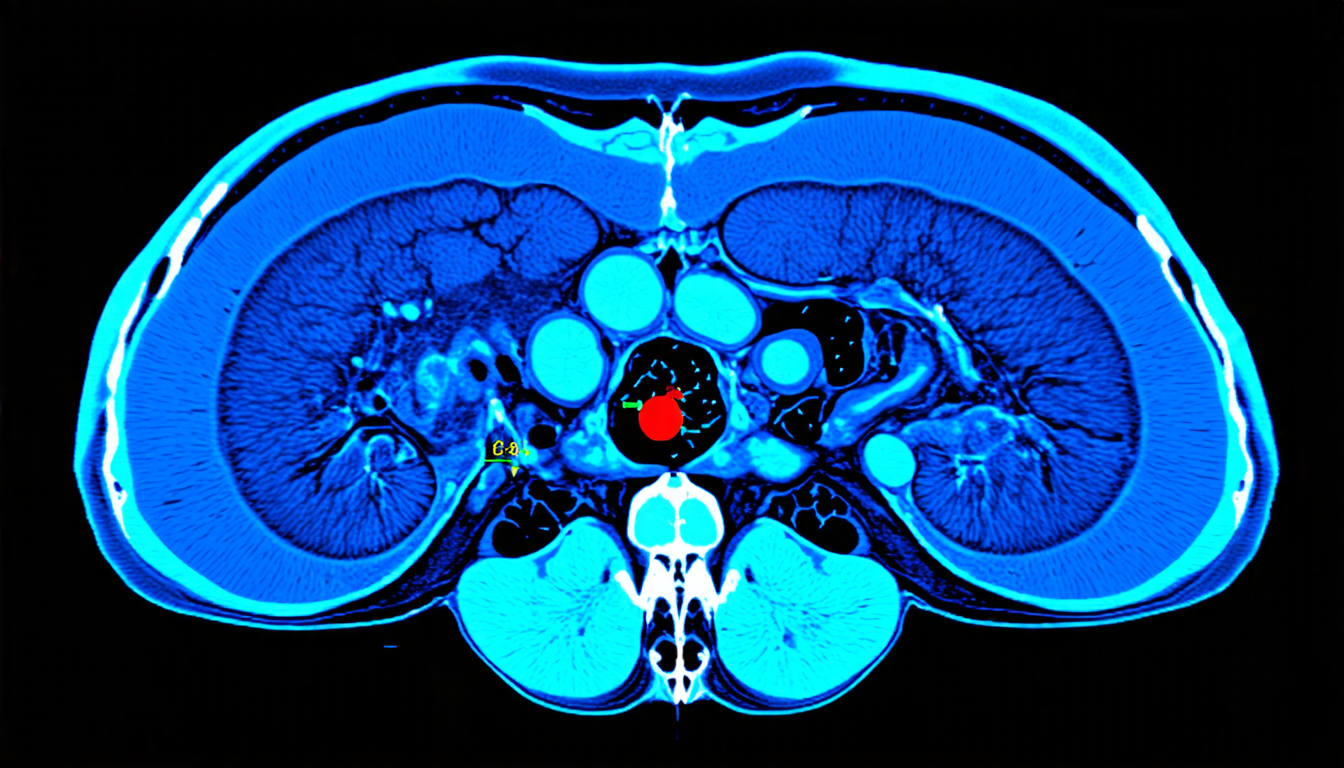
In the world of medical imaging, artificial intelligence has been touted as a revolutionary tool that can aid doctors in diagnosing diseases more accurately and efficiently. But how well do these AI systems really perform when paired with human experts? A recent study published in a leading medical journal aimed to answer this question by examining the use of AI-assisted prostate cancer diagnosis.
The researchers recruited 10 radiologists, who were asked to review MRI scans of patients suspected of having prostate cancer. Half of the time, they worked independently, while the other half, they collaborated with an AI system designed to detect lesions in the images. The results showed that when working together, human and AI teams consistently outperformed individual humans, but still fell short of achieving perfect accuracy.
One of the key findings was that despite their improved performance, doctors were reluctant to fully trust the AI’s predictions. In fact, they often disagreed with the AI’s assessments, even when the machine had a high degree of confidence in its diagnosis. This under-reliance on AI may be due to a lack of transparency about how the system arrived at its conclusions or the limitations of the technology itself.
The study also revealed that providing performance feedback to doctors did not significantly improve their ability to work with the AI. However, showing them the AI’s predictions in advance did seem to influence their decisions, often nudging them towards adopting the machine’s diagnoses.
So what does this mean for the future of medical imaging? The researchers suggest that a collaborative approach between humans and AI may be the key to unlocking its full potential. By combining the strengths of both, doctors can leverage the AI’s ability to detect subtle patterns in images while still maintaining their own expertise and judgment.
The study also highlights the importance of transparency and explainability in AI systems. If doctors are to trust these machines, they need to understand how they arrive at their conclusions and be able to verify their results. This may require significant advancements in machine learning and natural language processing, but the potential benefits could be substantial.
In addition, the researchers note that there is still much work to be done before AI systems can be widely adopted in medical imaging. The technology needs to be further refined and validated, and doctors must be trained on how to effectively integrate it into their workflows.
Overall, this study provides valuable insights into the challenges and opportunities of using AI-assisted diagnosis in medicine.
Cite this article: “Collaborative Intelligence: Unlocking the Potential of AI-Assisted Medical Imaging”, The Science Archive, 2025.
Artificial Intelligence, Medical Imaging, Prostate Cancer, Diagnosis, Radiologists, Collaboration, Accuracy, Transparency, Explainability, Machine Learning





