

Thursday 20 March 2025
A team of researchers has developed an innovative approach to help businesses segment their customers more effectively using machine learning algorithms. The new method, which combines interactive and unsupervised techniques, allows sales experts to build models that better reflect their domain knowledge and subjective insights.
Traditionally, customer segmentation involves grouping customers based on demographic characteristics, behavior, or preferences. However, this approach often yields generic clusters that don’t necessarily align with the business’s specific needs. To address this issue, researchers have been exploring the use of unsupervised machine learning algorithms, such as clustering, to identify patterns in large datasets.
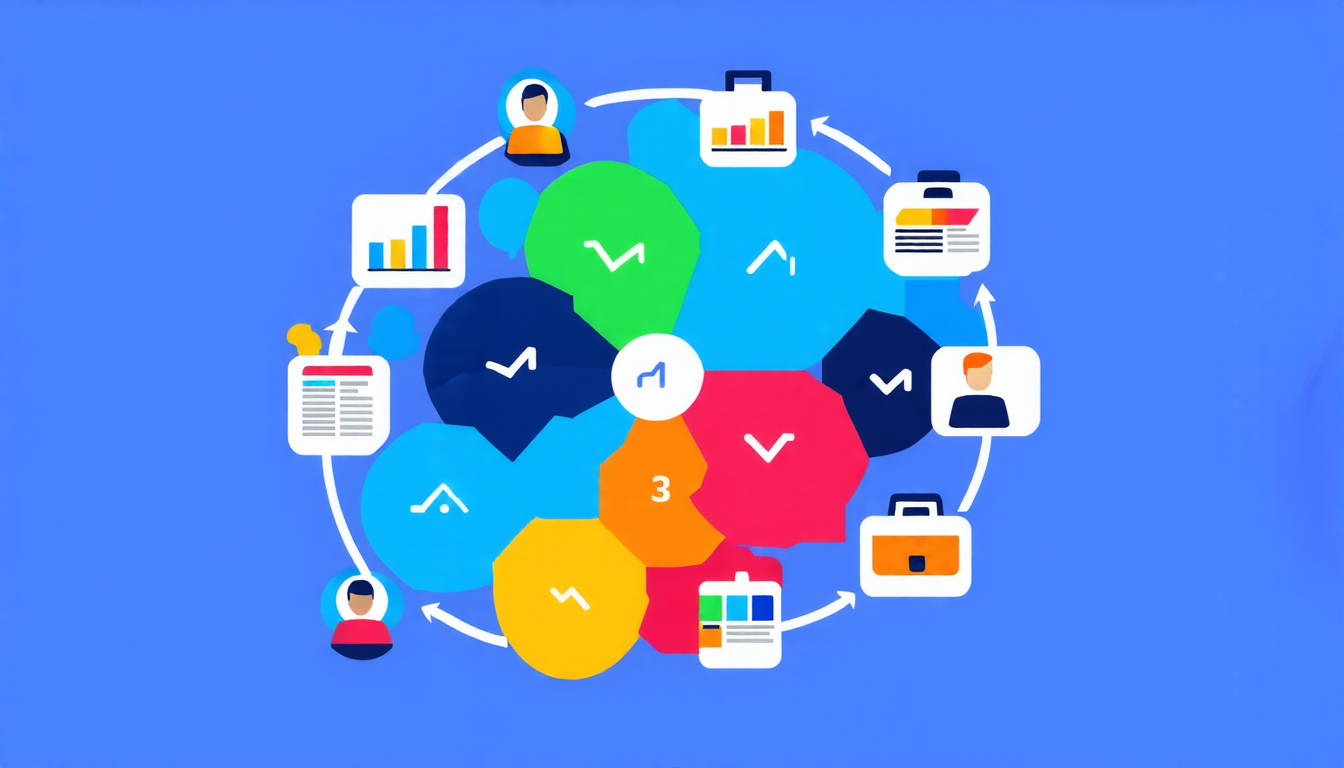
In their study, the team used an interactive approach to build segmentation models that incorporate domain expertise and subjective insights. They developed a prototype system that allows sales experts to steer the model-building process, selecting features and labels that are relevant to their business needs.
The researchers found that this interactive approach significantly improved the accuracy of customer segmentation. Sales experts were able to build models that accurately reflected their understanding of their customers, which in turn led to more effective decision-making.
One of the key benefits of this approach is its ability to reduce the complexity of unsupervised machine learning algorithms, making them more accessible to non-technical users. By providing a user-friendly interface and interactive features, the system enables sales experts to build models that are tailored to their specific needs, without requiring extensive technical expertise.
The study also highlights the importance of incorporating domain knowledge into the model-building process. Sales experts were able to bring their subjective insights and experience to bear on the segmentation process, resulting in more accurate and relevant clusters.
This research has significant implications for businesses looking to improve their customer segmentation strategies. By leveraging machine learning algorithms and interactive techniques, companies can gain a deeper understanding of their customers and develop targeted marketing campaigns that resonate with their target audience.
In addition to its practical applications, this study also contributes to our understanding of how humans interact with machine learning systems. The researchers’ findings suggest that providing users with interactive tools and interfaces can significantly improve the effectiveness of machine learning models, even for non-technical users.
Overall, this research demonstrates the potential benefits of combining interactive and unsupervised techniques in customer segmentation. By empowering sales experts to build models that reflect their domain knowledge and subjective insights, businesses can gain a more accurate understanding of their customers and develop more effective marketing strategies.
Cite this article: “Interactive Customer Segmentation: A Machine Learning Approach”, The Science Archive, 2025.
Machine Learning, Customer Segmentation, Unsupervised Algorithms, Interactive Techniques, Domain Knowledge, Subjective Insights, Sales Experts, Marketing Strategies, Clustering, Business Applications





