

Friday 21 March 2025
The quest for faster and more efficient communication has led scientists to explore new ways of encoding data. Recently, researchers have been investigating a specific type of code known as spatially coupled low-density parity-check (SC-LDPC) codes. These codes have shown remarkable performance in high-speed communication systems, but their construction has been limited by the need for complex algorithms and large amounts of computational resources.
Now, a team of scientists has made significant progress in simplifying the construction of SC-LDPC codes. By leveraging a type of code known as convolutional self-orthogonal codes (CSOCs), researchers have developed a new method that reduces the complexity of constructing these codes by orders of magnitude.
The key to this breakthrough lies in the use of CSOCs, which are designed to be decoded using simple threshold decoding algorithms. These codes have been around for decades, but their properties make them particularly well-suited for use as building blocks in SC-LDPC code construction.
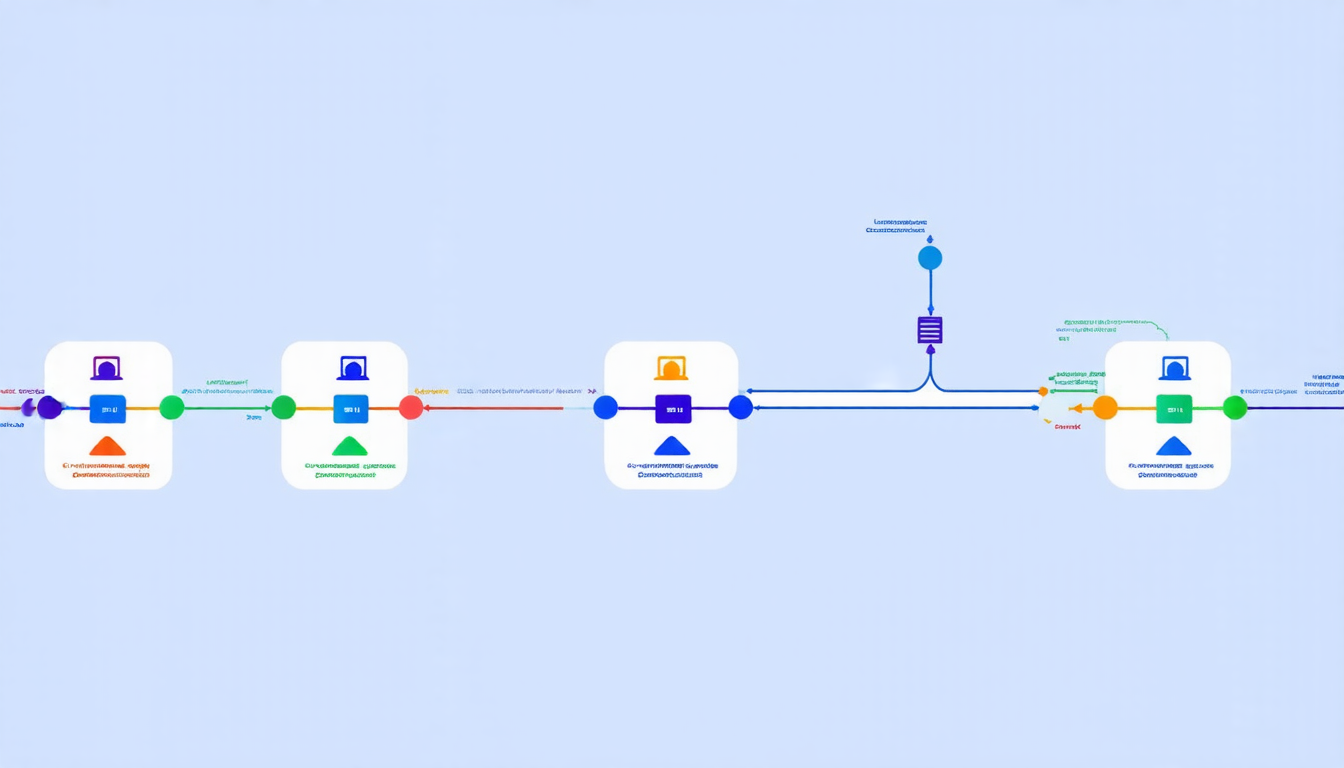
By combining these CSOCs with a technique called graph lifting, researchers have created a new method that allows them to construct SC-LDPC codes with much simpler and more efficient algorithms. This approach enables the creation of codes with high performance and low complexity, making them ideal for use in high-speed communication systems such as optical fiber networks.
The impact of this breakthrough is significant. It means that researchers can now design SC-LDPC codes with much greater ease and efficiency, which will enable faster and more reliable data transmission over long distances. This, in turn, has the potential to revolutionize a wide range of industries, from telecommunications to finance and healthcare.
One of the most exciting aspects of this research is its potential to enable the widespread adoption of high-speed communication systems. With the ability to construct SC-LDPC codes more easily and efficiently, researchers can now focus on developing even faster and more reliable transmission technologies.
The implications of this breakthrough are far-reaching. For example, it could enable the development of ultra-fast internet connections that allow for seamless video streaming and online gaming. It could also facilitate the widespread adoption of 5G wireless networks, enabling faster data transfer rates and lower latency.
In addition to its practical applications, this research has also shed new light on our understanding of coding theory. The use of CSOCs as building blocks in SC-LDPC code construction has revealed new insights into the properties of these codes and their potential for future development.
Cite this article: “Breakthrough in SC-LDPC Code Construction Enables Faster and More Reliable Data Transmission”, The Science Archive, 2025.
Communication, Codes, Sc-Ldpc, Csocs, Convolutional, Self-Orthogonal, Graph Lifting, Decoding, High-Speed, Optical Fiber





