

Friday 21 March 2025
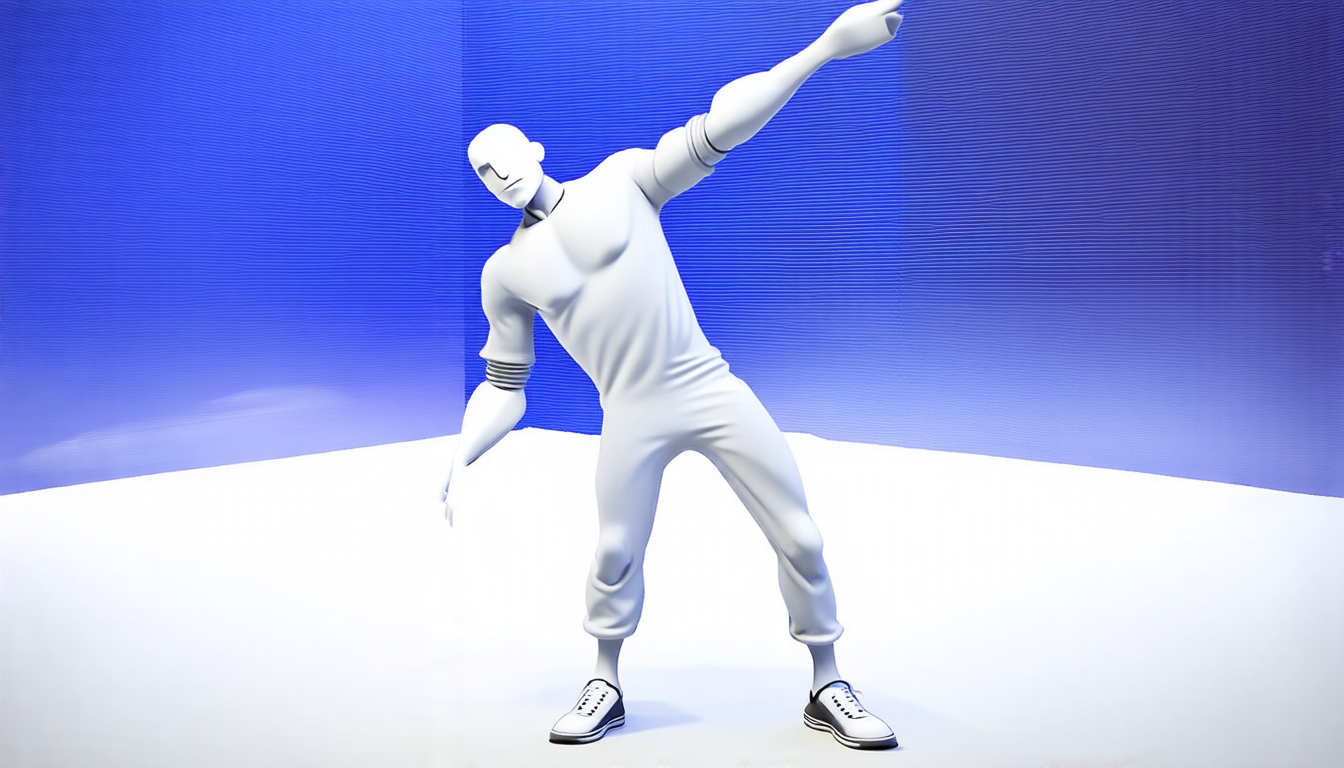
Scientists have long been fascinated by the way humans move, and how our bodies adapt to different situations. Now, a team of researchers has developed a new way to measure just how physically plausible human poses are – in other words, whether they look realistic or not.
The method, which uses computer simulations to analyze 3D human poses, is designed to help improve the accuracy of virtual characters and robots. By studying how humans move and respond to different situations, researchers can create more lifelike animations and control systems for these machines.
One of the key challenges in creating realistic virtual characters is ensuring that their movements look natural and believable. This requires a deep understanding of human physiology and biomechanics – including factors like balance, posture, and movement patterns.
To tackle this problem, the researchers developed two new metrics to measure physical plausibility: CoM distance and Pose Stability Duration. The first metric measures how closely a 3D pose can be simulated when used as a kinematic reference, while the second assesses the time it takes for a pose to become unstable or fail.
The team tested their approach on a dataset of 3D human poses, using a combination of machine learning algorithms and physical simulations to analyze each pose. The results showed that their method was able to accurately identify which poses were physically plausible and which were not – even in cases where the pose was only slightly off-kilter.
This breakthrough has significant implications for fields like computer graphics, robotics, and virtual reality. By developing more realistic virtual characters, researchers can create immersive experiences that feel more natural and engaging. Similarly, improved control systems for robots could lead to more efficient and effective machines.
The study’s findings also highlight the importance of considering physical plausibility when designing artificial intelligence systems. As AI becomes increasingly integrated into our daily lives, it’s essential that these systems are designed with a deep understanding of human behavior and physiology – including factors like movement patterns and balance.
Ultimately, this research demonstrates the power of interdisciplinary collaboration in advancing our understanding of human movement and behavior. By combining expertise from fields like computer science, physics, and biomechanics, researchers can create innovative solutions that have far-reaching implications for various industries and applications.
Cite this article: “Measuring Physical Plausibility in Human Poses”, The Science Archive, 2025.
Computer Simulations, 3D Human Poses, Virtual Characters, Robots, Physical Plausibility, Machine Learning Algorithms, Biomechanics, Computer Graphics, Robotics, Artificial Intelligence Systems





