

Saturday 22 March 2025
The quest for AI that truly understands us has been ongoing for decades, but a new approach may finally crack the code. Researchers have developed an ontology-driven self-training framework called OntoTune, which leverages hierarchical conceptual knowledge to align large language models with medical domain expertise.
At its core, OntoTune is designed to address a fundamental issue in AI development: the ability of machines to understand and respond to complex, nuanced queries. Current approaches often rely on vast amounts of data, but this can lead to shallow understanding and poor performance when faced with novel or ambiguous inputs. By incorporating ontology information, OntoTune aims to provide a deeper level of comprehension, enabling language models to generate more accurate and informative responses.
The key insight behind OntoTune is the recognition that hierarchical conceptual knowledge – think taxonomies, ontologies, and semantic networks – can be used to organize and structure domain-specific expertise. By integrating this knowledge into the training process, researchers can guide language models towards a more nuanced understanding of medical concepts and relationships.
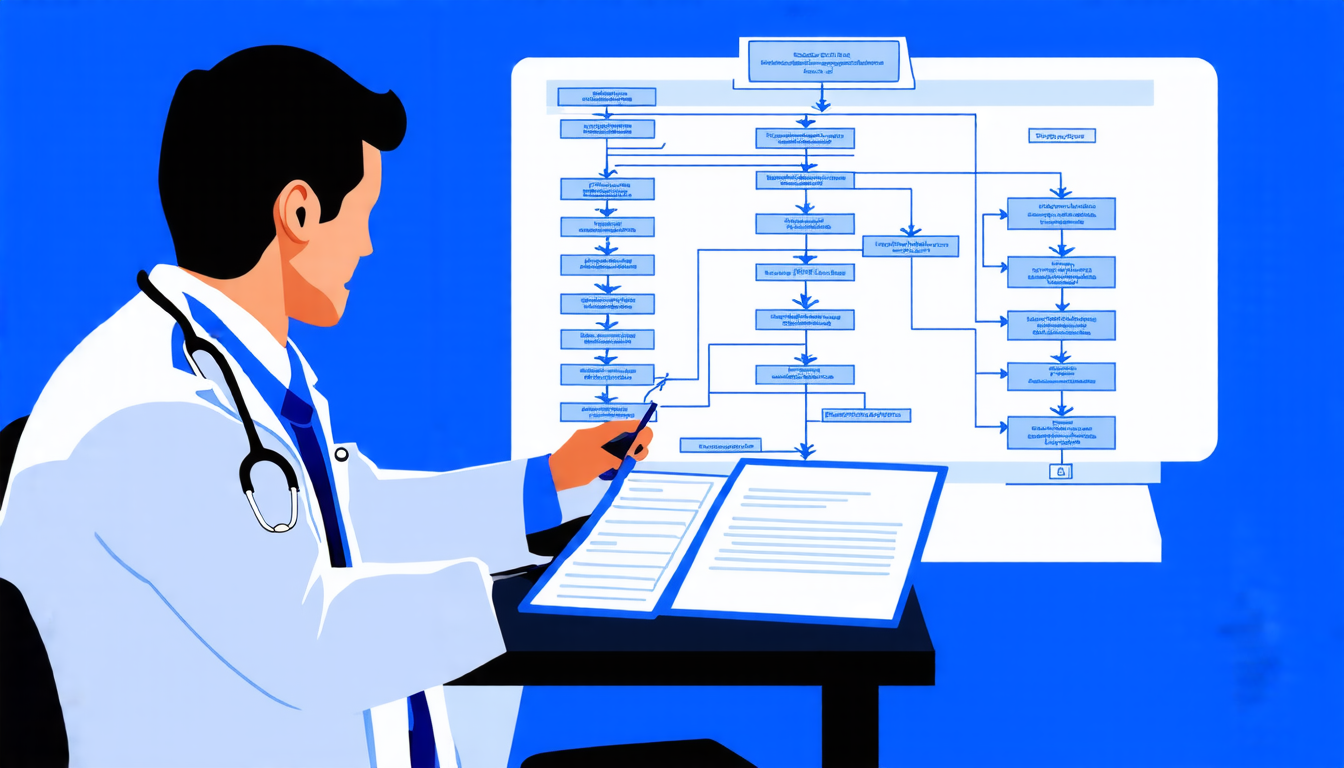
In practical terms, OntoTune works by using ontology information to select relevant texts from a corpus and generate prompts that encourage language models to focus on specific aspects of medical knowledge. This self-training approach allows models to iteratively refine their understanding of the domain, ultimately leading to improved performance on downstream tasks such as question-answering and text generation.
The benefits of OntoTune are twofold. First, it enables language models to generate more accurate and informative responses, which is critical in high-stakes applications like healthcare where accuracy can have real-world consequences. Second, the framework provides a way to bridge the gap between domain experts and machine learning systems, allowing humans to communicate complex knowledge and concepts more effectively.
While OntoTune is still an early-stage technology, its potential implications are significant. As language models continue to play an increasingly important role in our lives, the ability to understand and respond to nuanced queries will become a critical factor in their adoption and success. By providing a framework for integrating domain expertise into machine learning systems, OntoTune offers a promising path forward for developing AI that is truly capable of understanding us.
In the medical domain, OntoTune has already demonstrated impressive results, outperforming existing approaches on a range of tasks including question-answering and text generation.
Cite this article: “OntoTune: A Framework for Developing AI that Truly Understands Us”, The Science Archive, 2025.
Artificial Intelligence, Ontology-Driven, Self-Training, Language Models, Medical Domain, Expertise, Question-Antwering, Text Generation, Hierarchical Conceptual Knowledge, Taxonomies





