

Saturday 22 March 2025
Researchers have made a significant breakthrough in the field of artificial intelligence, developing an efficient reinforcement learning algorithm that can learn complex tasks without requiring large amounts of data or extensive computing power.
The new algorithm, called APE (Adaptive Pretraining for Efficient Reinforcement Learning), uses a clever combination of pretraining and fine-tuning to enable AI agents to quickly adapt to new situations. This is achieved by first training the agent on a diverse set of visual tasks, such as recognizing objects in images, before applying that knowledge to more complex problems like controlling robots or playing video games.
APE’s key innovation is its ability to learn from small amounts of data, making it ideal for applications where large datasets are not available. This is particularly important in fields like robotics and autonomous vehicles, where AI systems need to be able to adapt quickly to changing environments and make decisions based on limited information.
The algorithm’s efficiency also makes it suitable for use in edge devices, such as smartphones or smart home appliances, which often have limited processing power and storage capacity. This means that APE could potentially be used to enable intelligent features in a wide range of devices, from voice assistants to self-driving cars.
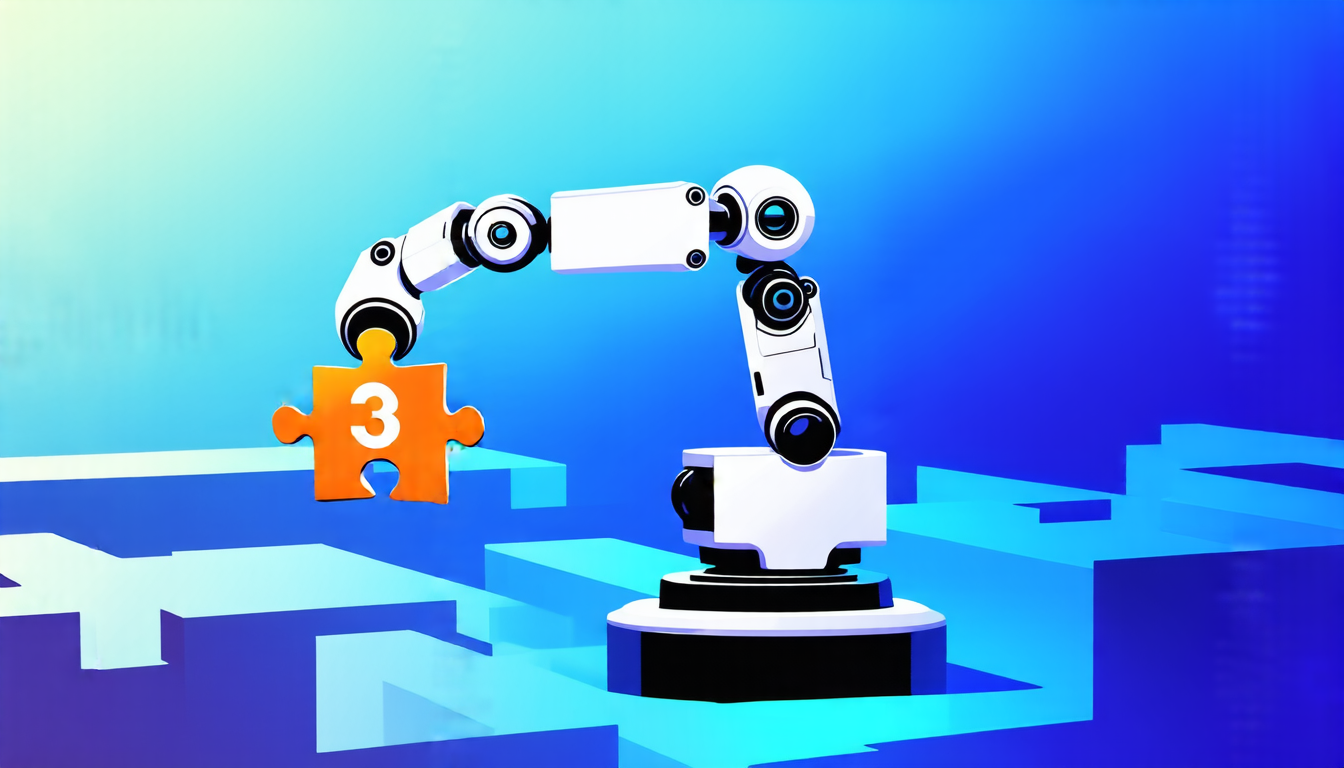
To test the effectiveness of APE, researchers trained agents using the algorithm on three different tasks: controlling a robotic arm, navigating a 3D maze, and playing Atari video games. The results were impressive, with the APE-trained agents outperforming those trained using other algorithms in all three tasks.
One of the most striking aspects of APE is its ability to generalize from small amounts of data. In one test, researchers used the algorithm to train an agent on a single task, then transferred it to a completely new environment without any additional training. The agent was able to adapt quickly and successfully complete the new task, demonstrating its impressive ability to learn and apply knowledge in novel situations.
The potential applications of APE are vast and varied, from improving the efficiency of industrial processes to enhancing the capabilities of autonomous vehicles. As AI continues to play an increasingly important role in our lives, algorithms like APE will be crucial in unlocking their full potential.
By combining the power of pretraining with the flexibility of reinforcement learning, APE represents a significant step forward in the development of intelligent systems. Its ability to learn from small amounts of data and generalize to new situations makes it an attractive solution for a wide range of applications, from robotics and gaming to healthcare and finance.
Cite this article: “Breakthrough Reinforcement Learning Algorithm APE Revolutionizes AI Capabilities”, The Science Archive, 2025.
Artificial Intelligence, Reinforcement Learning, Algorithm, Pretraining, Fine-Tuning, Robotics, Autonomous Vehicles, Edge Devices, Small Data Sets, Generalization





